
Main Scripture:
1 Samuel 10:16 (NIV) – “‘He assured us that the donkeys had been found,’ Saul said. But he did not tell his uncle what Samuel had said about the kingship.”
Introduction
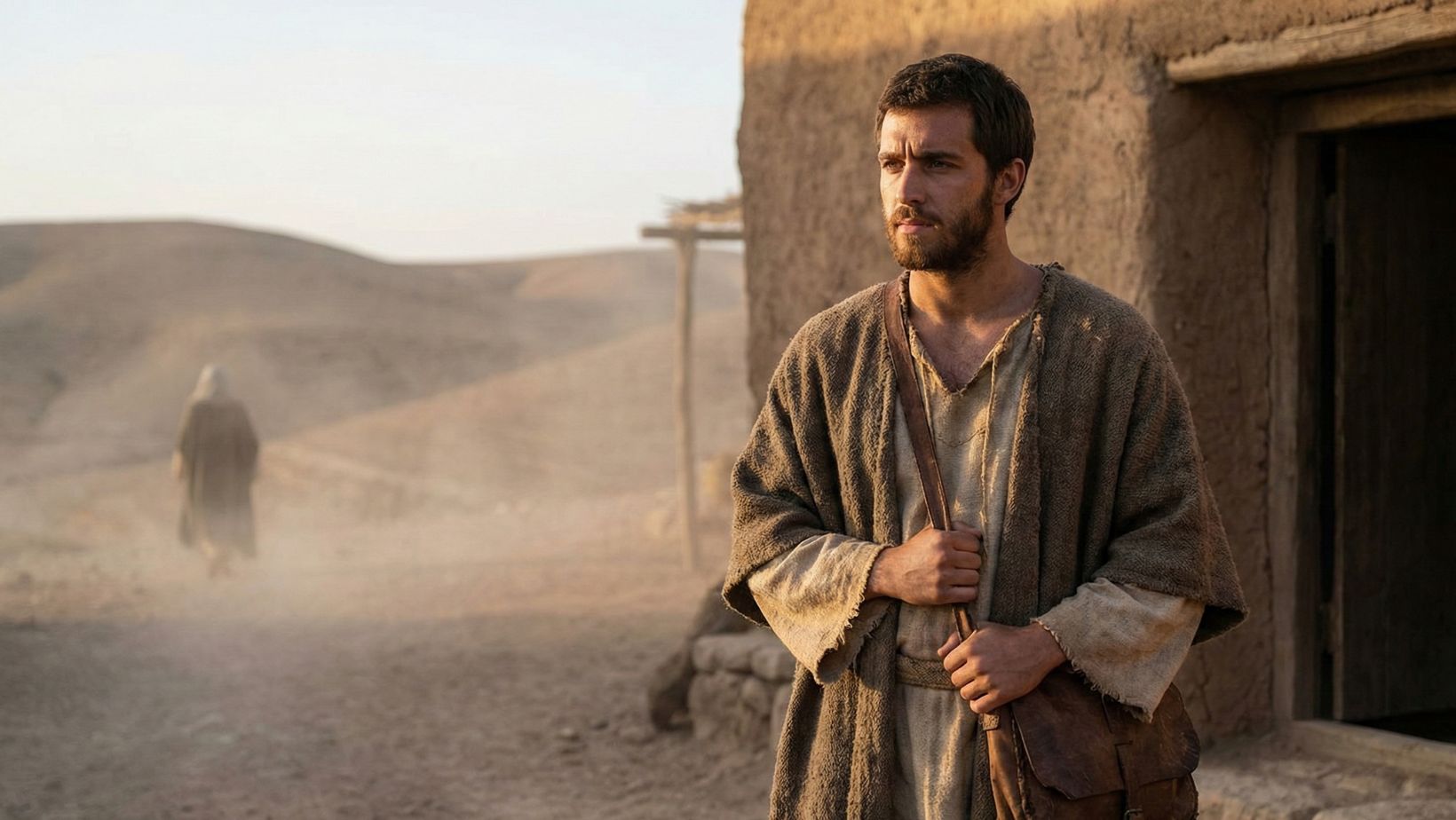
In 1 Samuel 10, Saul has just experienced one of the most life-defining moments of his life. The prophet Samuel privately anoints him as the first king of Israel—an appointment that would shift the nation and transform Saul’s future. Yet when Saul returns home, and his uncle asks him what happened, Saul shares only part of the story. He talks about the donkeys but keeps silent about the kingdom.
This moment reveals something we all face: the tension between what God has spoken to us and what we feel ready to say aloud. Sometimes God places a calling, a promise, or a direction in our hearts—yet we hesitate to share it, either out of fear, insecurity, or uncertainty.
Illustration
Imagine someone receiving a life-changing job offer but not telling anyone yet—not because they don’t believe it, but because they’re still processing the weight of it. Saul was standing in the middle of divine transition and needed time to understand what God was doing.
Just like Saul, we all have moments where God whispers something to us that we’re not ready to announce.
(1) God Often Speaks Privately Before He Reveals Publicly
📖 Matthew 6:6 – “But when you pray, go into your room, close the door and pray to your Father, who is unseen…”
Saul had a private encounter with God through Samuel. Not everything God reveals is meant to be immediately shared.
- God gives private instruction before public promotion.
- God often speaks in whispers before He speaks through wonders.
- Some promises need time to mature before they are spoken aloud.
Example: Moses was called at the burning bush privately before he ever confronted Pharaoh publicly.
Application: Don’t rush to announce what God is doing in you. Let God develop it in secret so He can display it in strength.
(2) Sometimes Silence Reveals Humility, Not Hesitation
📖 Proverbs 27:2 – “Let someone else praise you, and not your own mouth…”
Saul’s silence wasn’t necessarily rebellion—it may have been humility.
- He didn’t boast about being chosen as king.
- He didn’t use divine information to elevate himself.
- He waited for God’s timing.
Example: David was anointed king but returned to serving sheep (1 Samuel 16). Humility precedes honor.
Key Point: Silence can be a spiritual discipline—choosing to let God reveal what He has ordained rather than trying to push it forward ourselves.
(3) Fear and Insecurity Can Keep Us From Owning God’s Call
📖 Jeremiah 1:6 – “Alas, Sovereign Lord… I do not know how to speak; I am too young.”
Though humble, Saul also struggled with insecurity. Earlier, he questioned why Samuel would even speak to someone from the “least” clan (1 Sam 9:21).
Sometimes we keep quiet because:
- We feel unworthy of what God has spoken.
- We fear people won’t believe us.
- We are afraid of responsibility.
Example: Gideon hid from his calling, calling himself the “least in my father’s house” (Judges 6:15).
God’s call often feels bigger than us—but that’s because He plans to empower us.
Application: Don’t let insecurity silence what God has spoken over your life.
(4) What You Speak or Don’t Speak Reveals Your Readiness
📖 Luke 2:19 – “But Mary treasured up all these things and pondered them in her heart.”
Mary didn’t tell everyone about the angelic promise. She pondered. She processed. She internalized.
Sometimes God gives you something to ponder before He gives you something to proclaim.
Saul’s silence helps us ask:
- Am I hiding what God spoke out of humility?
- Or am I withholding it out of fear?
- Am I protecting something holy?
- Or resisting something heavy?
Spiritual Growth Comes Through Honest Reflection.
(5) God Reveals Purpose in Stages, Not All at Once
📖 Psalm 37:7 – “Be still before the Lord and wait patiently for him…”
God was not done speaking to Saul. The anointing was private; the appointment would soon be public.
Principle:
God usually reveals purpose progressively, not instantaneously.
- The call comes first.
- The confirmation comes next.
- The commissioning comes later.
Silence is often a sign that God is still shaping the person for the assignment.
Example: Joseph had dreams of greatness, but he learned the danger of speaking too soon. His words provoked jealousy and conflict (Genesis 37).
Bottom Line
🔹 Quote: “Not everything God says in private is meant for public ears right away.”
🔹 Theological Point:
God often initiates His work in us quietly. The sacred must be stewarded before it is shared. Silence can guard the calling until character is ready to carry it.
🔹 Prayer Guide:







Leave a Reply