


Cities and Towns
-
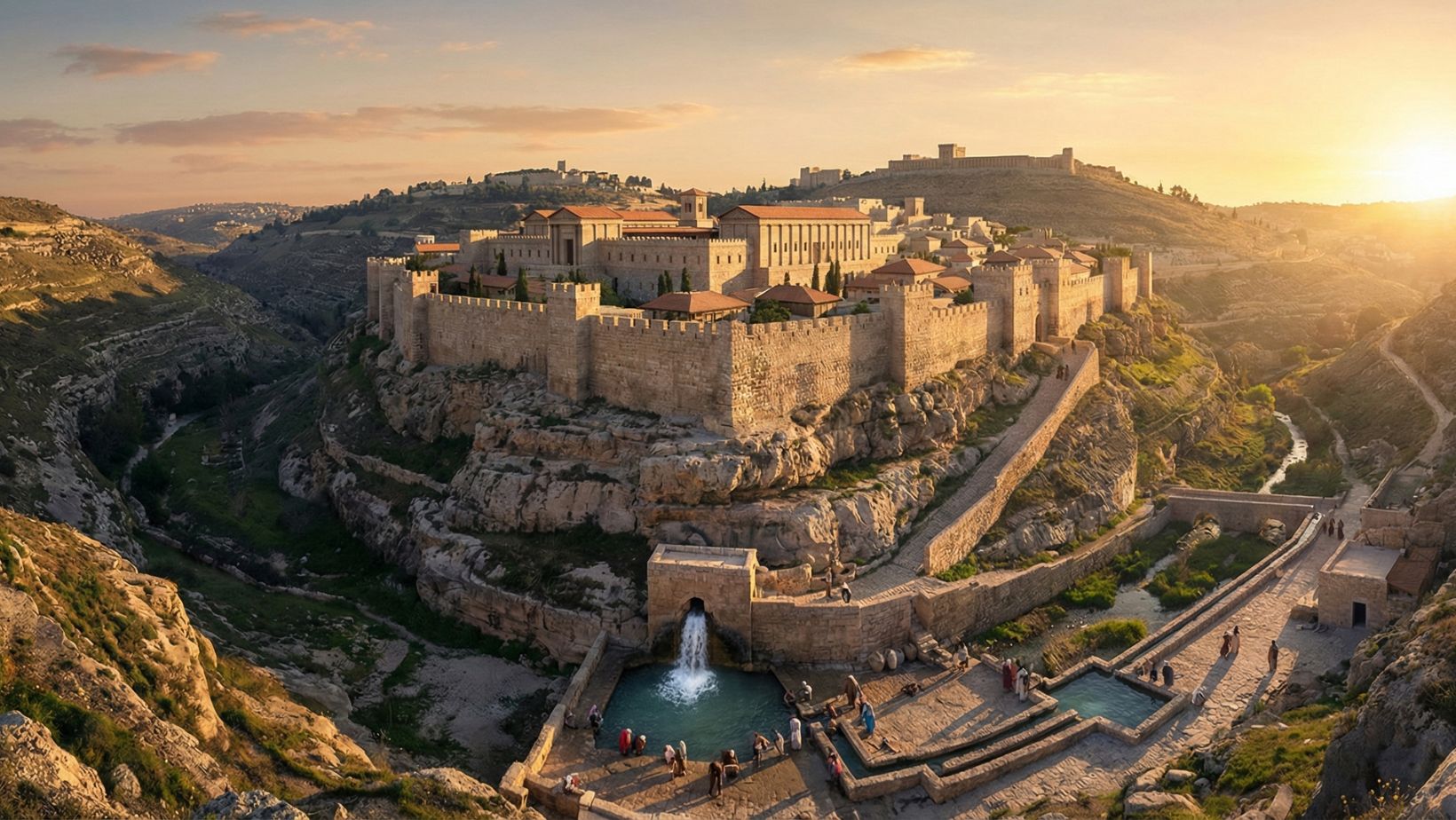
City of David
The City of David is the ancient heart of Jerusalem, established by King David as the capital of Israel and the site where the Davidic dynasty and the spiritual legacy of Zion began.
-
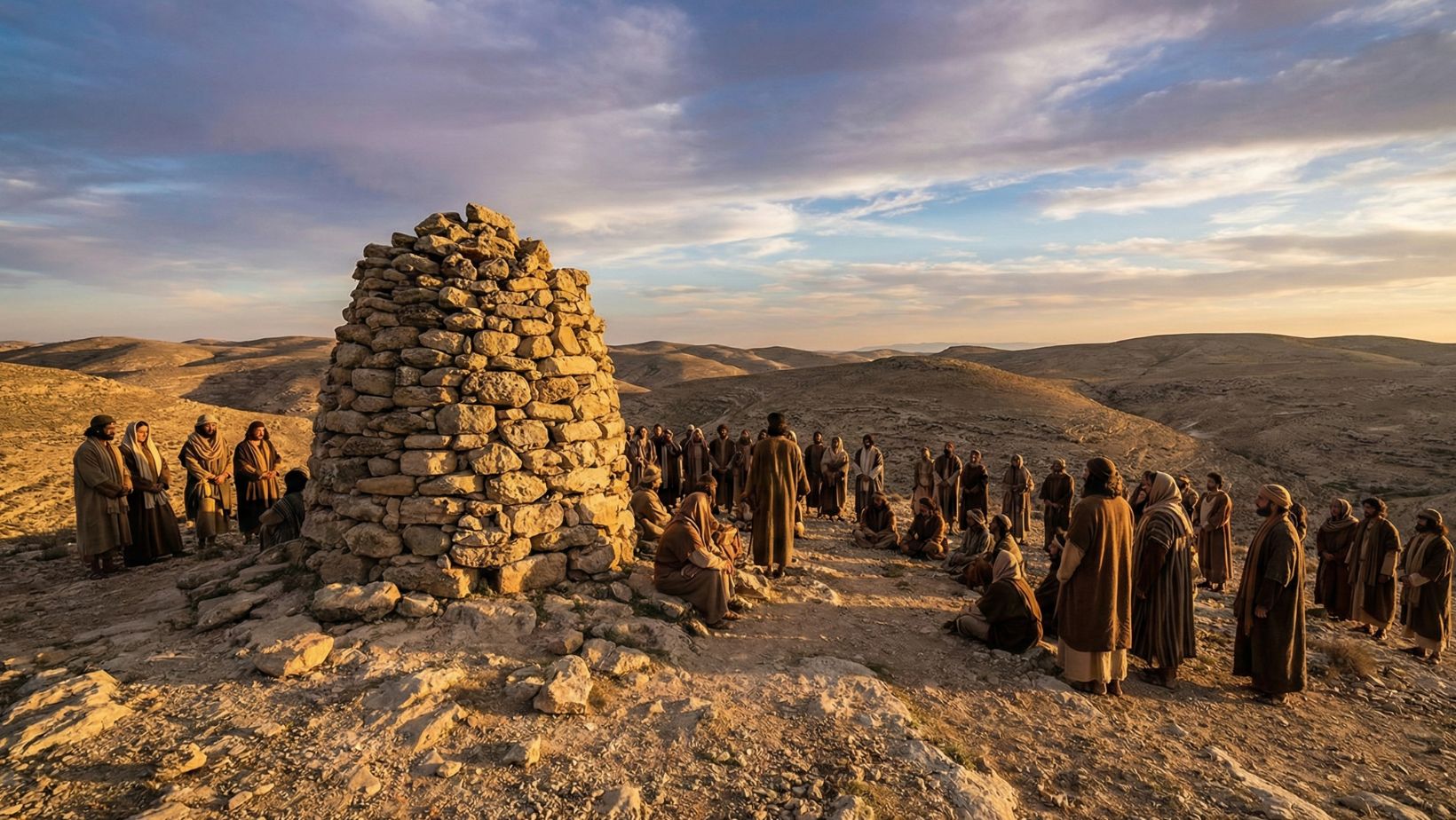
Mizpah
Mizpah, meaning “Watchtower,” is the biblical site of the covenant between Jacob and Laban, the place of Israel’s national repentance and victory under Samuel, and the location where Saul was proclaimed the first King of Israel.
-
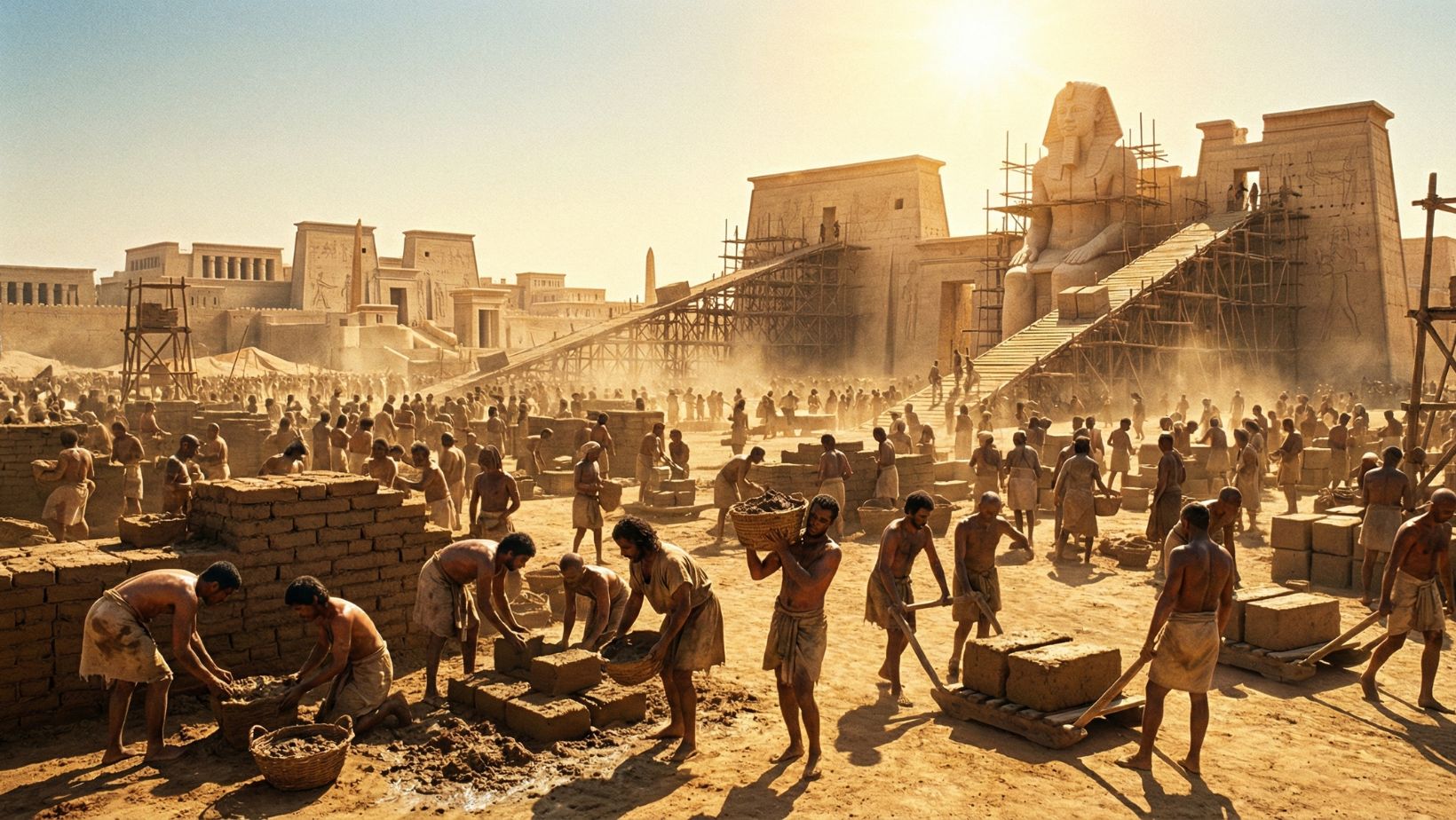
Rameses
Rameses was the Egyptian treasure city built by Israelite slave labor, representing the height of their oppression, and the starting point of their triumphant Exodus after the Passover.
-
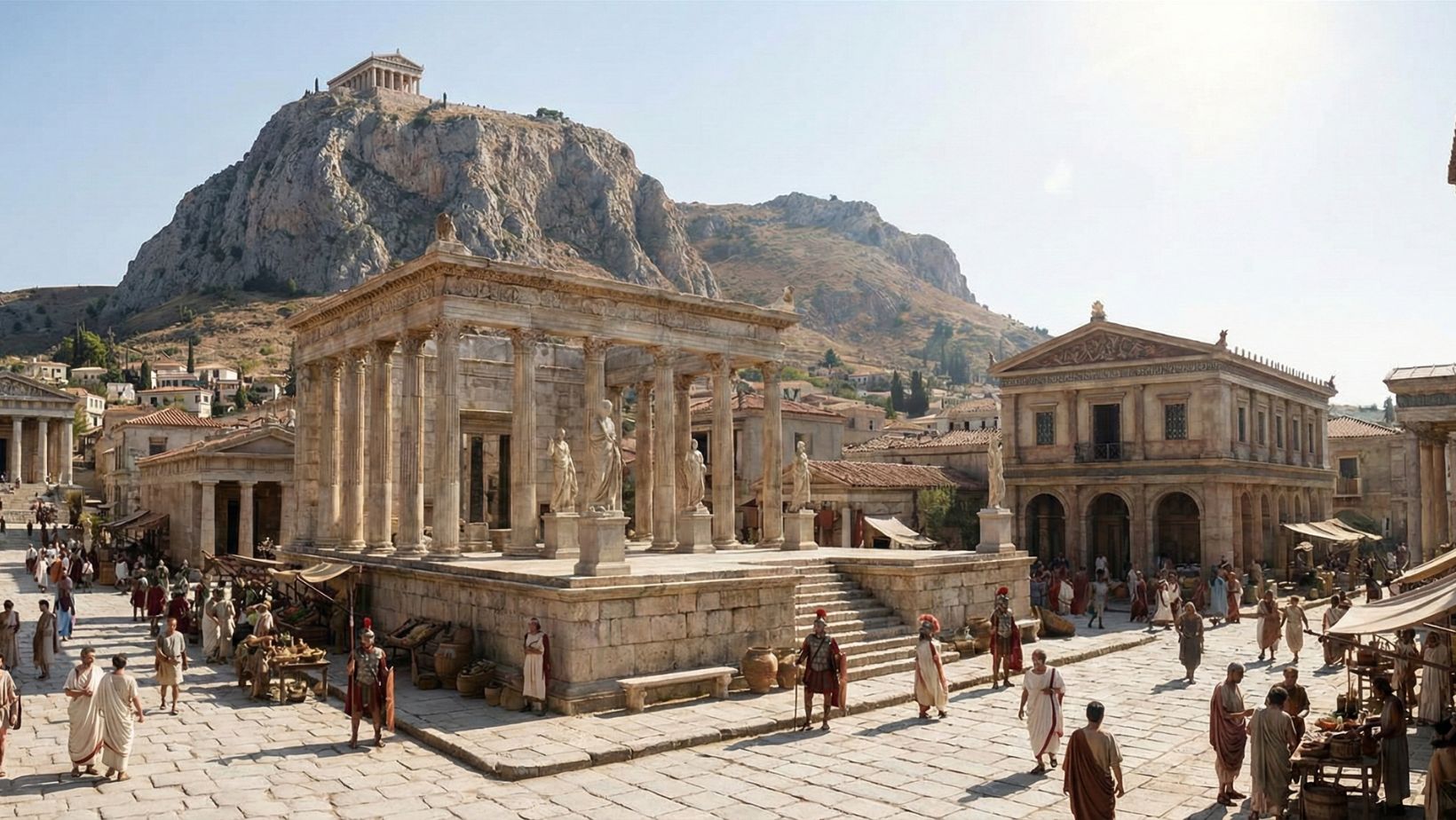
Corinth
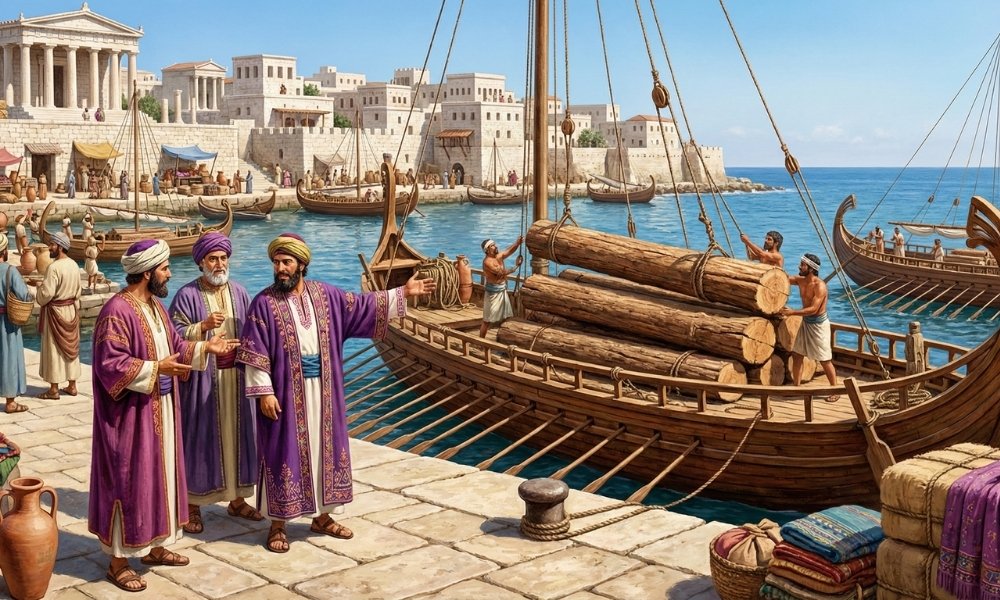
Corinth was a wealthy, morally complex Roman colony where the Apostle Paul planted a vibrant church, demonstrating that the Gospel could take root and flourish even in the most cosmopolitan and decadent of environments.
-
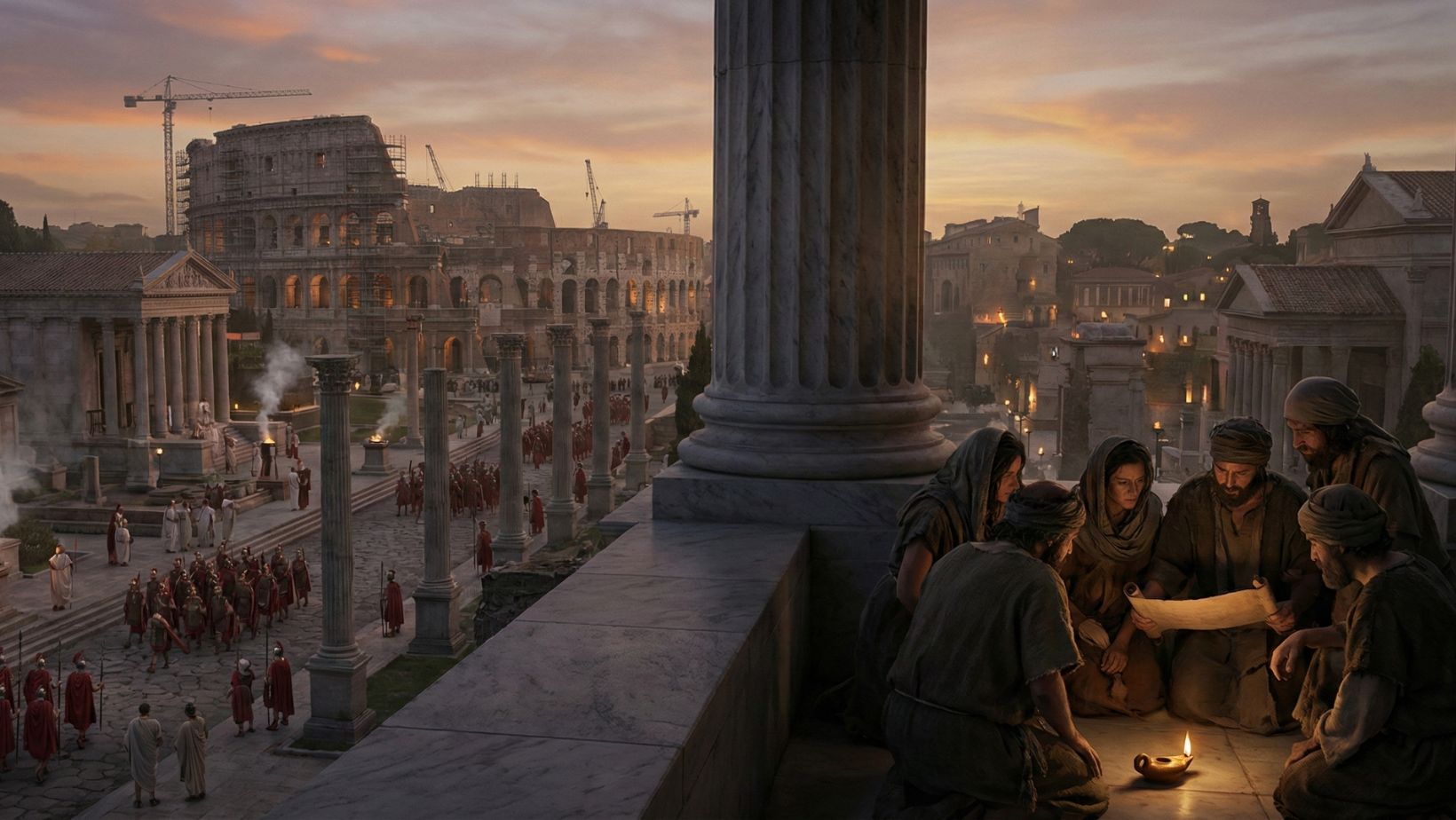
Rome
Rome was the iron-willed capital of the ancient world that served as both the executioner of the Apostles and the strategic launchpad for the global spread of the Gospel.
-

Nob
Nob was the city of priests where David received holy bread and Goliath’s sword, an act of mercy that resulted in a tragic massacre by King Saul and the fulfillment of the curse on the house of Eli.
-

Gibeah
Gibeah was the strategic capital of King Saul and the site of Israel’s first monarchy, but it is forever stained by the memory of a brutal atrocity during the time of the Judges that led to civil war.
-
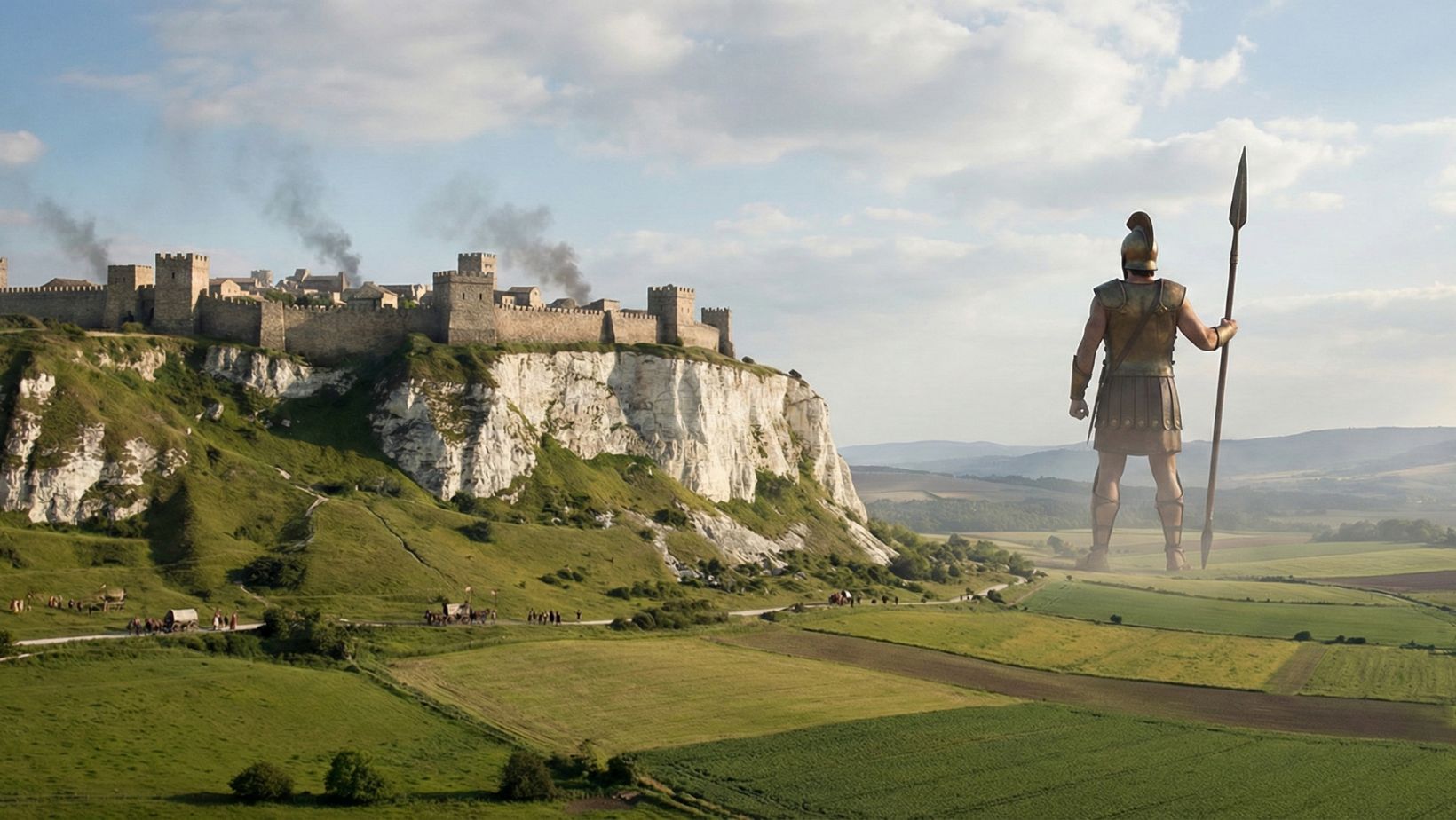
Gath
Gath was the home of the giant Goliath and a fierce enemy of Israel, yet it played a crucial role in David’s life as both a place of exile and the birthplace of some of his most loyal supporters.
-
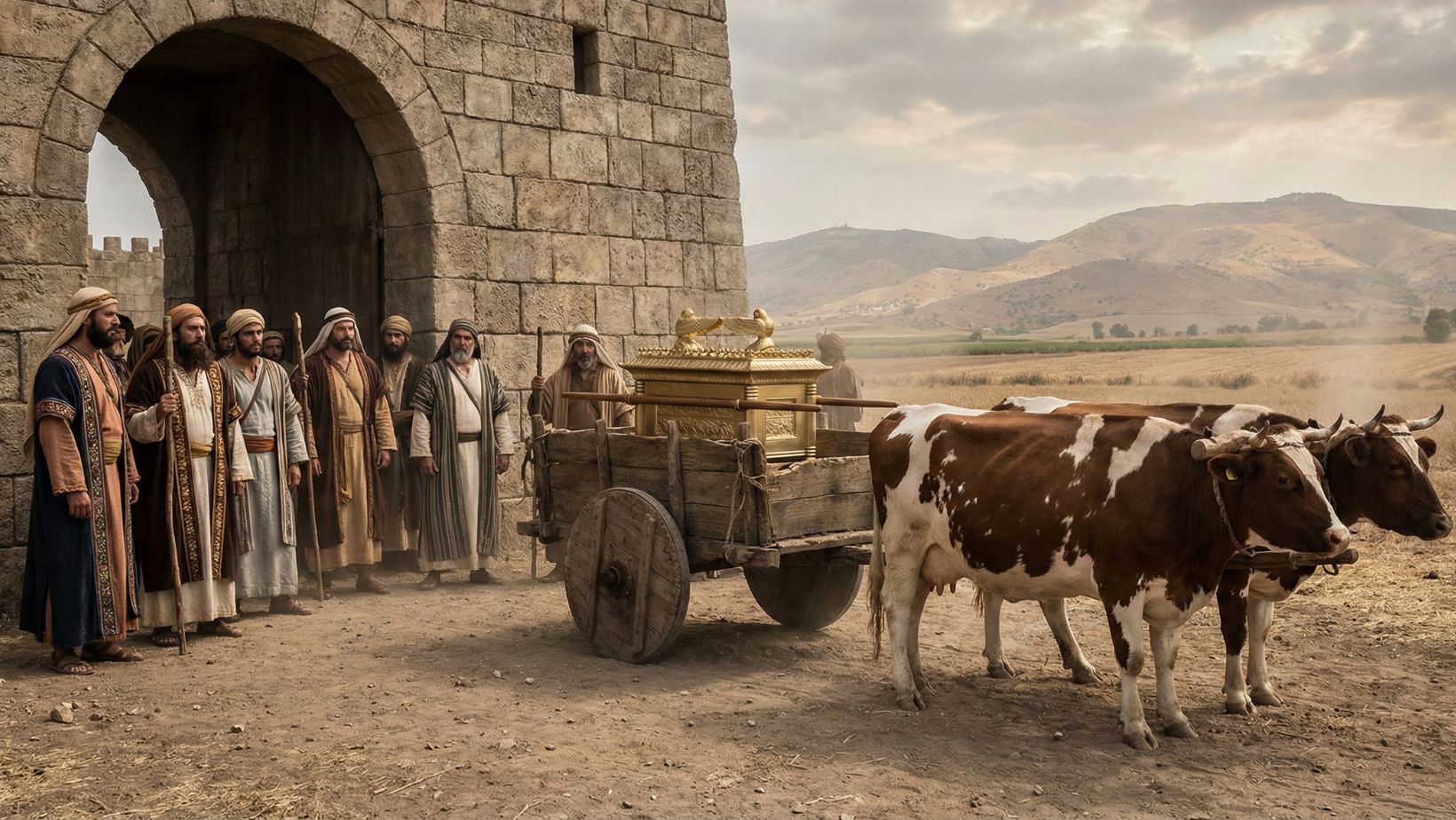
Ekron
Ekron was the northernmost Philistine city, famous for its olive oil industry and the worship of Baal-Zebub, which led to a fatal confrontation between the prophet Elijah and King Ahaziah.
-
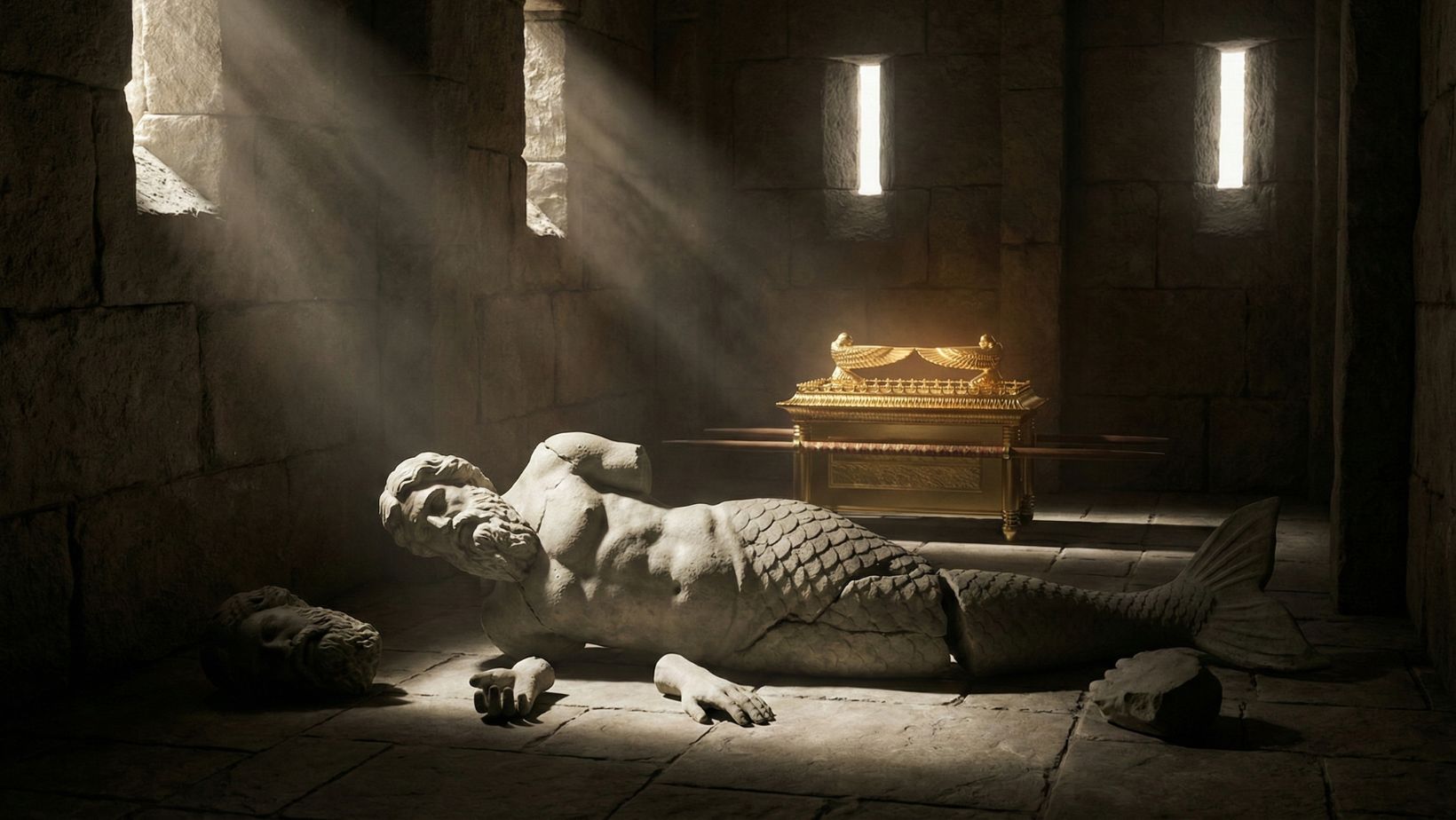
Ashdod
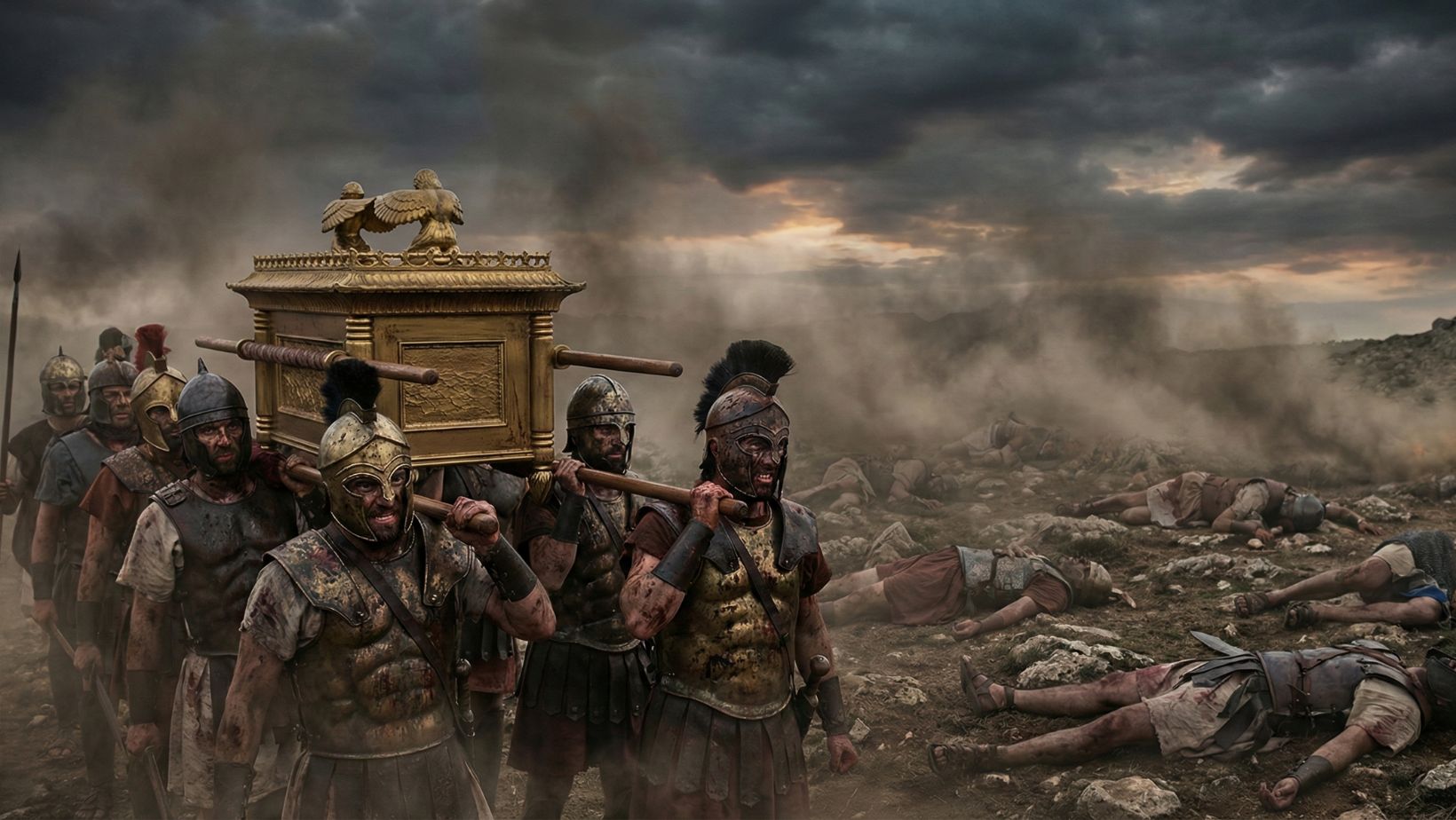
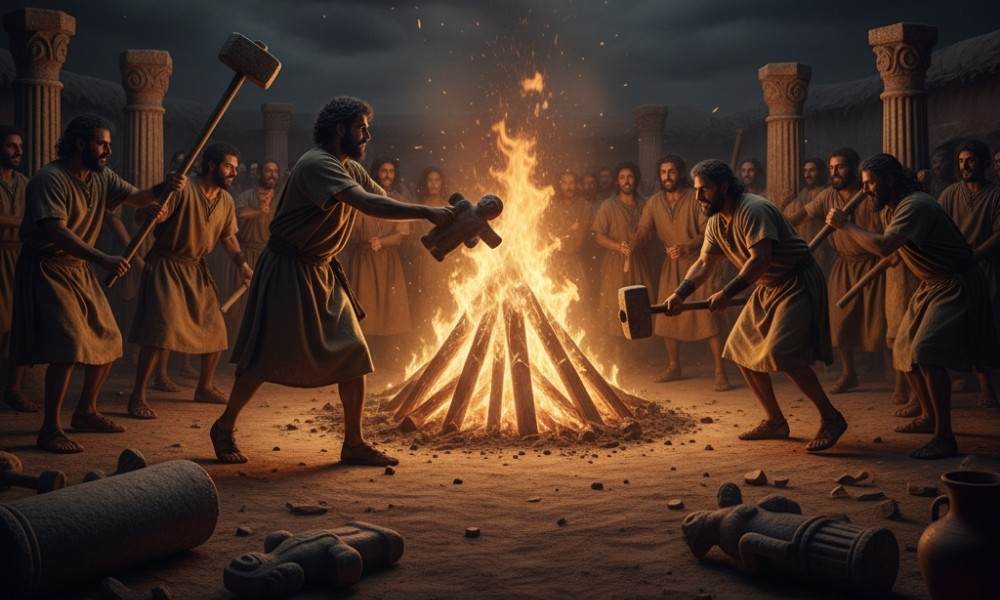
Ashdod was a powerful Philistine capital famous for the temple where the idol Dagon fell before the Ark of the Covenant, later becoming a site for early Christian evangelism under the name Azotus.
Bible Characters

-
Jonathan
Jonathan was the valiant crown prince of Israel who chose loyalty to God’s anointed over his own ambition, becoming the Bible’s ultimate example of sacrificial friendship.
-
Michal
Michal was the daughter of King Saul who saved David’s life out of love but ultimately ended her life in barren isolation because she valued royal dignity over humble worship.
-
Abner
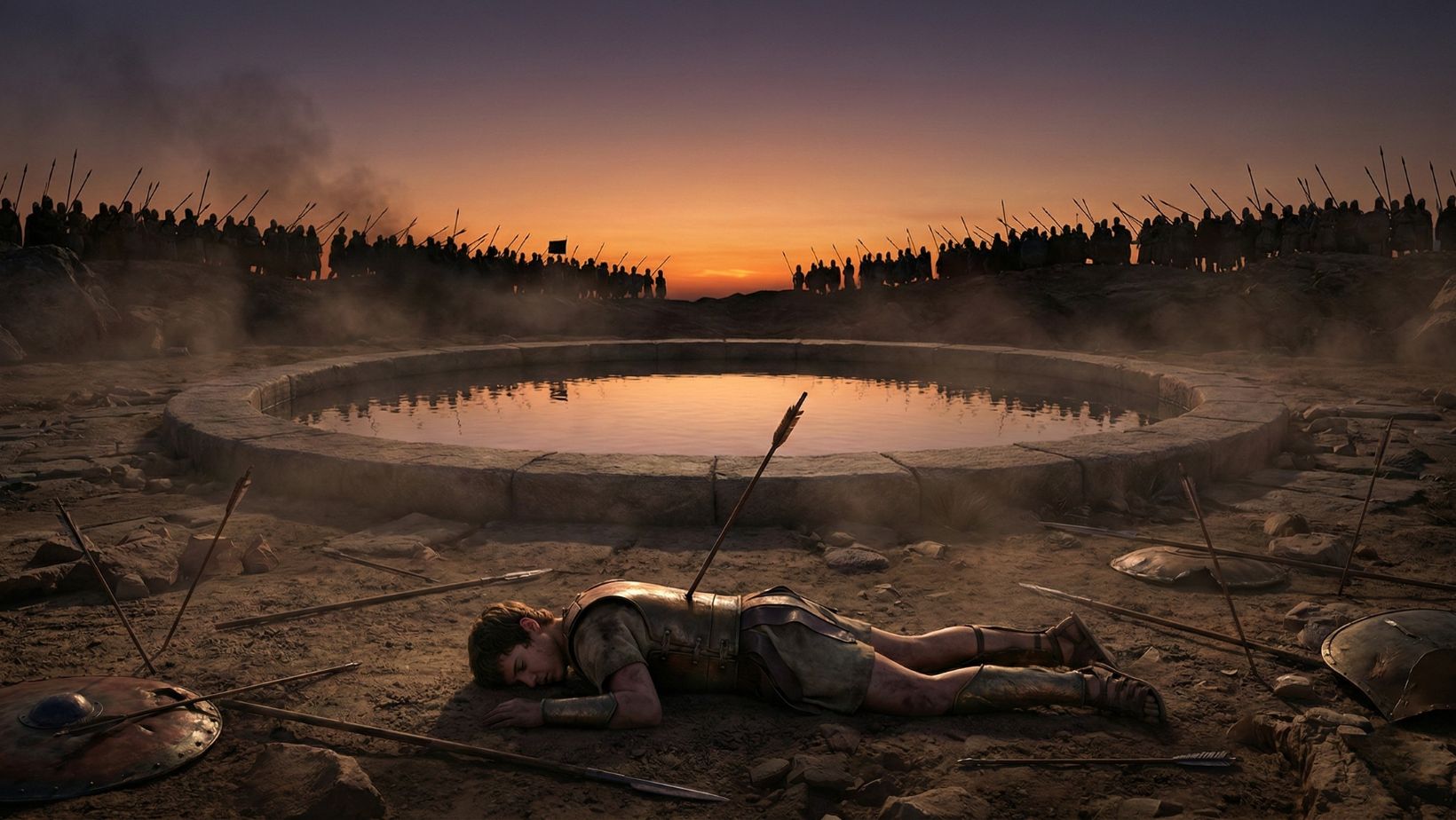
Abner was the powerful commander of Saul’s army who, after a long rivalry with David, sought to unite all Israel under David’s crown before being tragically assassinated by Joab.
Biblical Events

-
Jonathan
Jonathan was the valiant crown prince of Israel who chose loyalty to God’s anointed over his own ambition, becoming the Bible’s ultimate example of sacrificial friendship.
-
Michal
Michal was the daughter of King Saul who saved David’s life out of love but ultimately ended her life in barren isolation because she valued royal dignity over humble worship.
-
Abner
Abner was the powerful commander of Saul’s army who, after a long rivalry with David, sought to unite all Israel under David’s crown before being tragically assassinated by Joab.
Bible Locations

-
The City of David
The City of David is the ancient, fortified ridge where King David established his capital, serving as the historical seed from which Jerusalem grew and the spiritual center of the Israelite kingdom.
-
Mahanaim
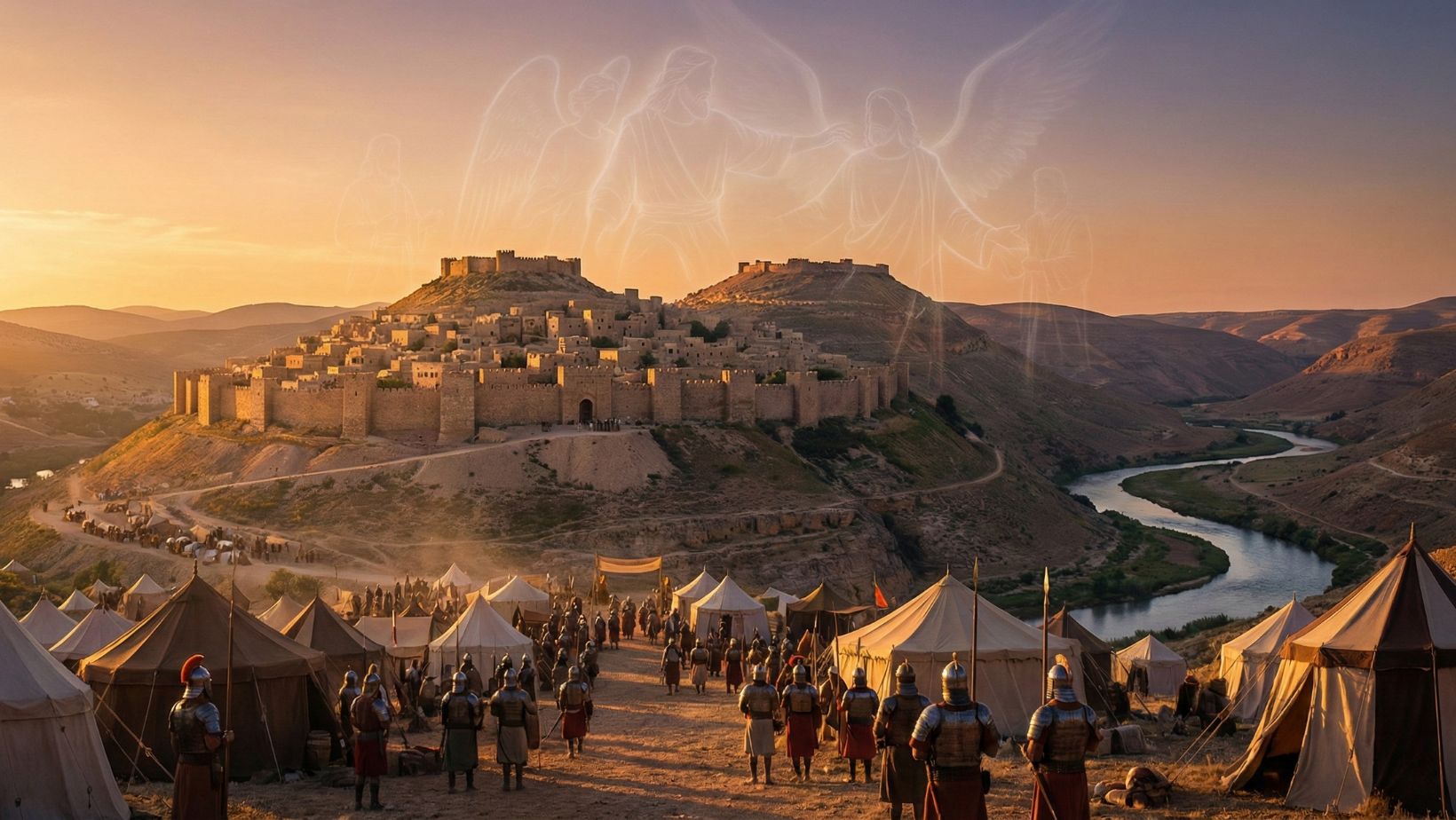
Mahanaim, meaning “Two Camps,” was the historic fortress city east of the Jordan where Jacob met angels and where kings Ishbosheth and David found refuge during Israel’s greatest civil wars.
-
Jabesh-gilead
Jabesh-gilead was a city defined by a legacy of survival and fierce loyalty, best known for the valiant night raid to retrieve the bodies of King Saul and his sons from Philistine desecration.
