




Minor Prophets
-

The Book of Malachi
Malachi was the final prophet of the Old Testament who confronted the spiritual apathy of the post-exilic community and predicted the coming of a forerunner who would prepare the way for the Lord.
-
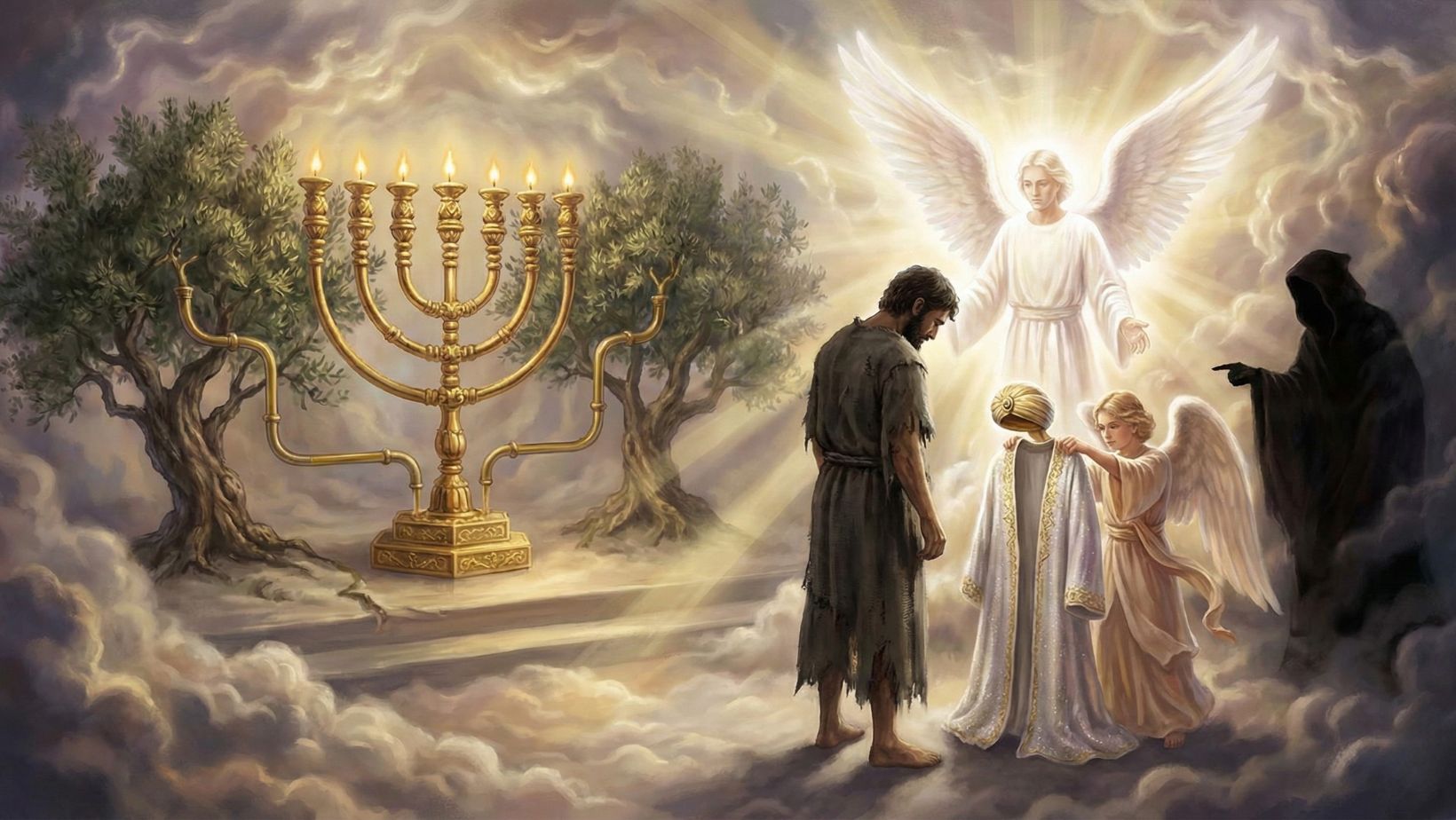
The Book of Zechariah
Zechariah was a priest-prophet who used vivid apocalyptic visions to encourage the rebuilding of the Temple and provided the most detailed Old Testament prophecies regarding the rejection, death, and ultimate reign of the Messiah.
-
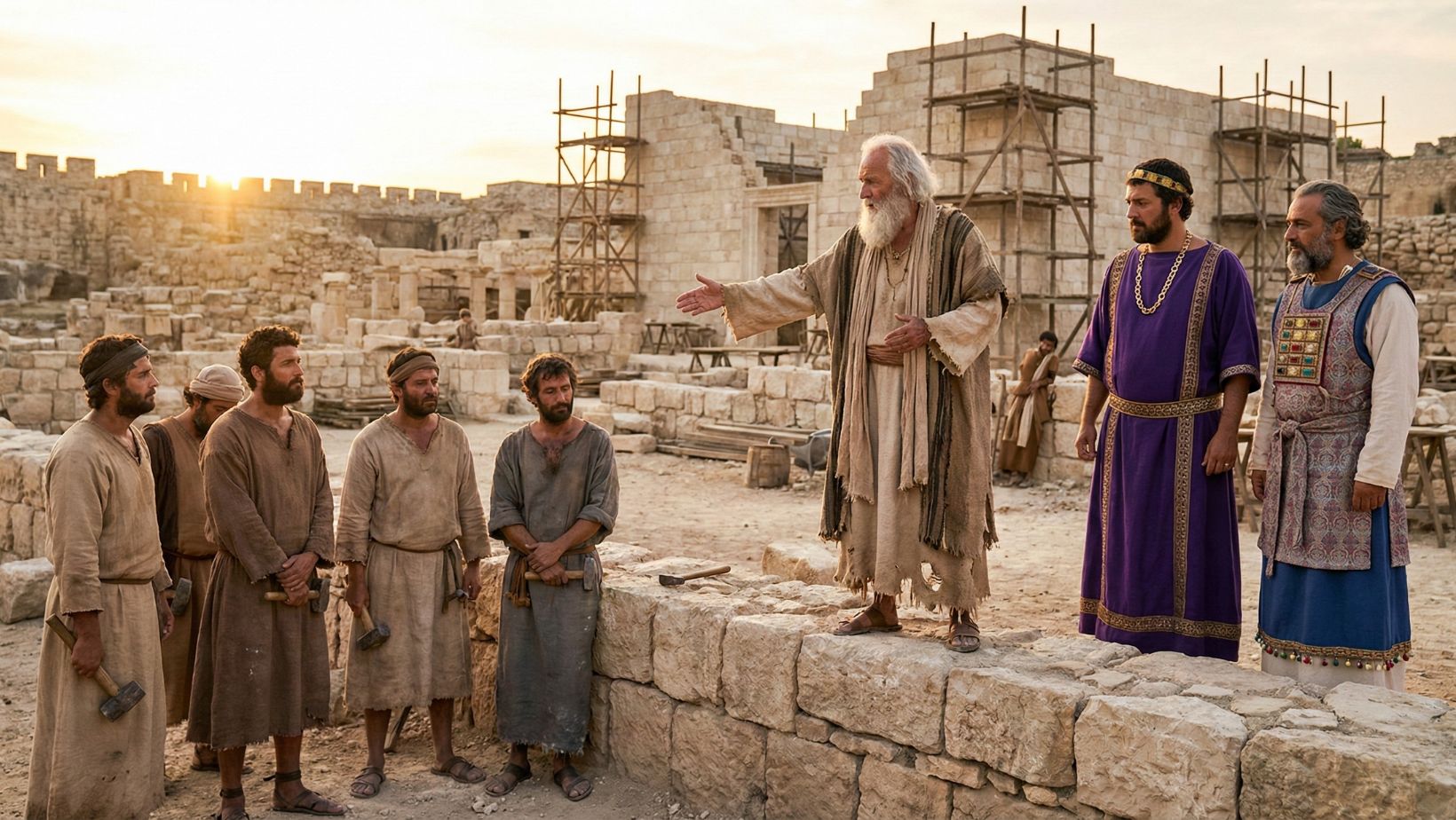
The Book of Haggai
Haggai was the pragmatic prophet who successfully mobilized the apathetic exiles to rebuild the Second Temple by linking their economic hardships to their spiritual negligence and restoring the promise of the Davidic line.
-

The Book of Zephaniah
Zephaniah was a royal prophet who spurred King Josiah’s reforms by warning of the terrifying “Day of the Lord” while promising that God would ultimately rejoice over a humble remnant with singing.
-

The Book of Habakkuk
Habakkuk was the “wrestling prophet” who questioned God’s justice in the face of evil but ultimately moved from complaint to a historic declaration that the righteous shall live by faith.
-
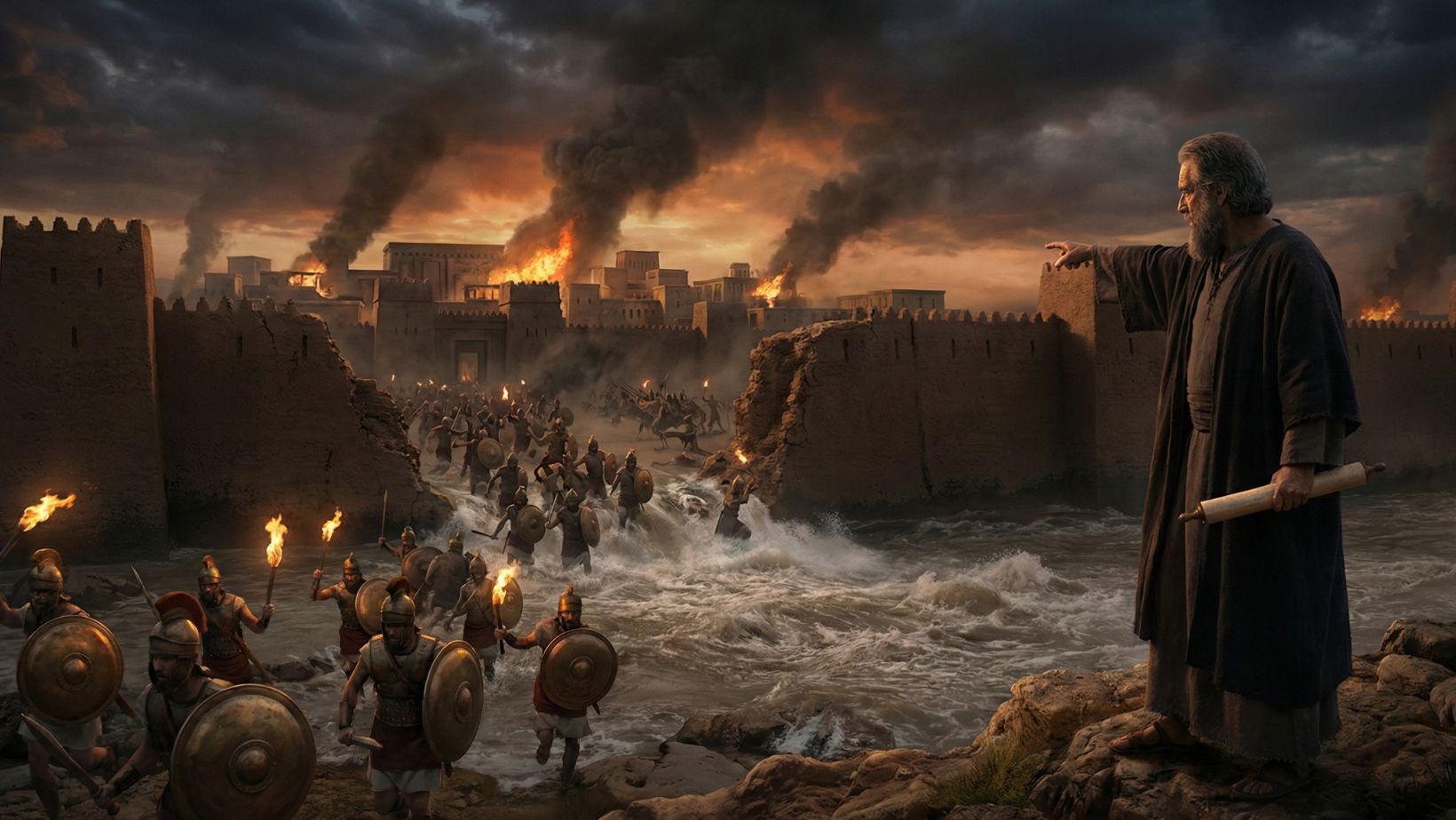
The Book of Nahum
Nahum was a prophet of Judah who delivered a vivid, poetic decree of doom against the brutal city of Nineveh, declaring that God’s justice would finally destroy the oppressor and bring comfort to Judah.
-
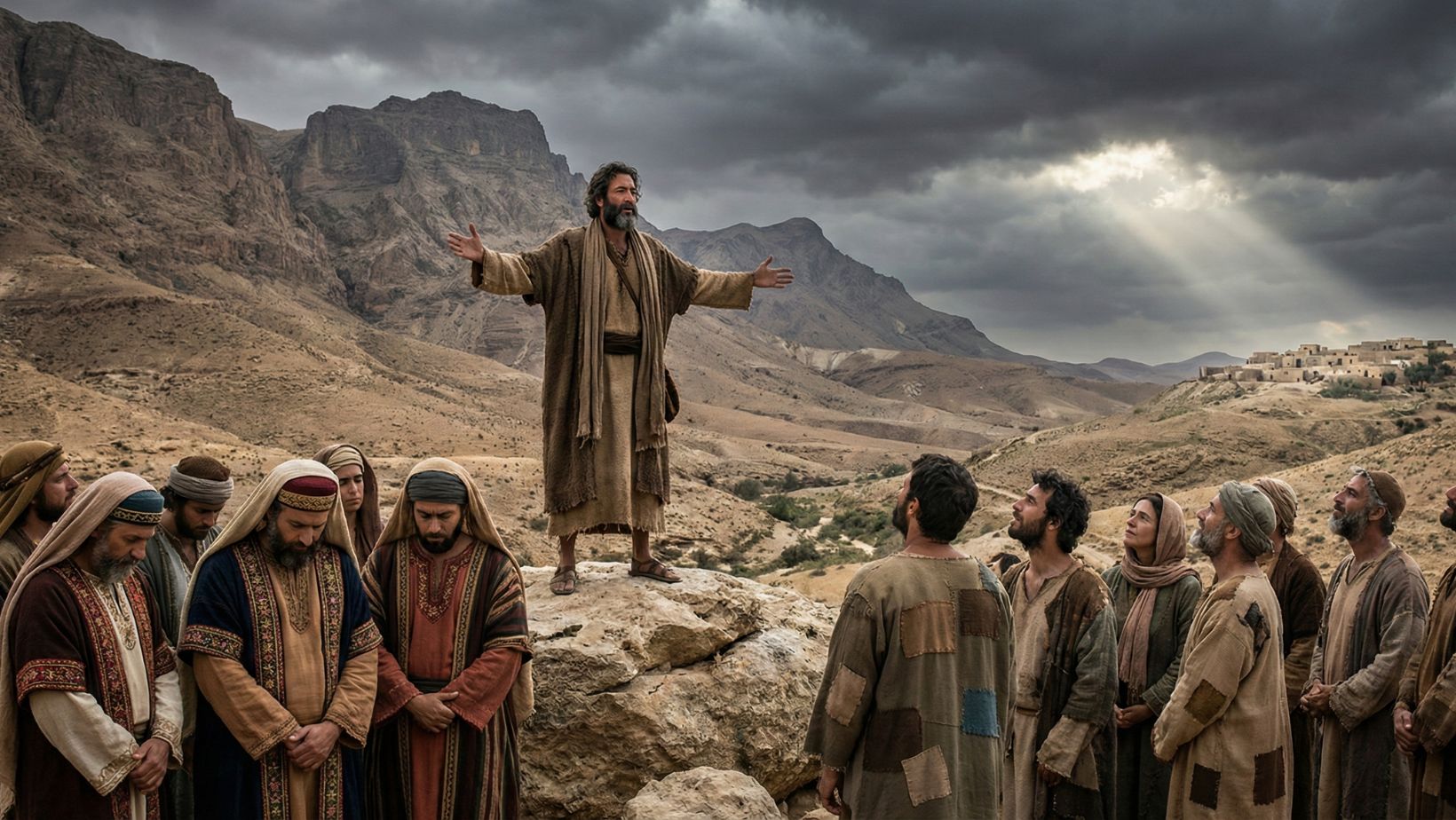
The Book of Micah
Micah was a rural prophet who championed the poor against the corrupt urban elite, summarized true religion as doing justice and walking humbly, and famously predicted the birth of the Messiah in Bethlehem.
-

The Book of Jonah
Jonah was a patriotic Israelite prophet who tried to flee from God’s call to preach to his enemies, only to be swallowed by a great fish and brought back to lead the city of Nineveh to repentance, a mission he resented to the end.
-

The Book of Obadiah
Obadiah was the prophet who pronounced a singular, crushing judgment upon the nation of Edom for their pride and for betraying their brother nation, Israel, during the destruction of Jerusalem.
-
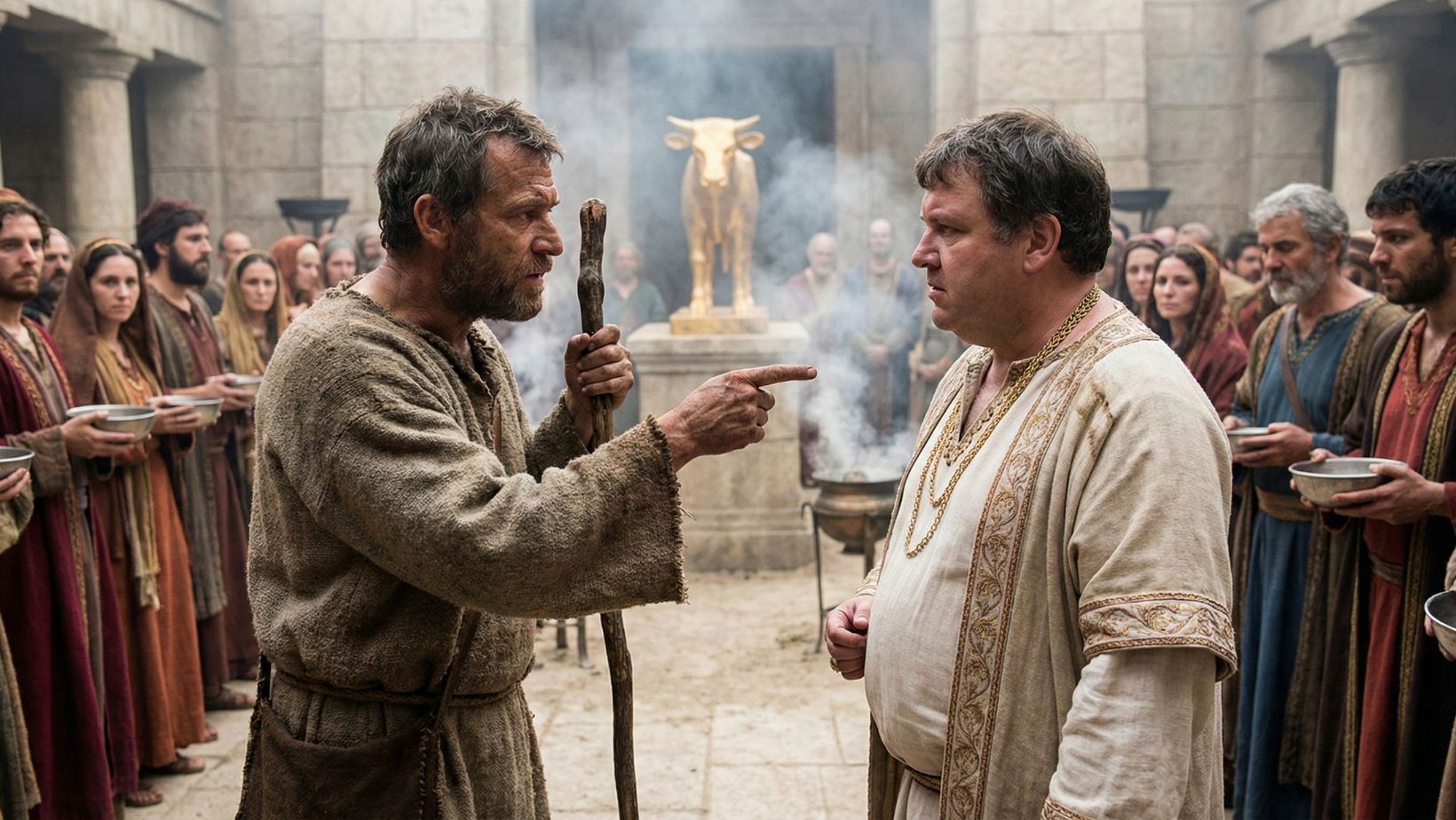
The Book of Amos
Amos was a shepherd-turned-prophet who fearlessly traveled from Judah to the Northern Kingdom to condemn the wealthy elite for their oppression of the poor and their empty religious rituals.
Bible Characters

-
Jonathan
Jonathan was the valiant crown prince of Israel who chose loyalty to God’s anointed over his own ambition, becoming the Bible’s ultimate example of sacrificial friendship.
-
Michal
Michal was the daughter of King Saul who saved David’s life out of love but ultimately ended her life in barren isolation because she valued royal dignity over humble worship.
-
Abner
Abner was the powerful commander of Saul’s army who, after a long rivalry with David, sought to unite all Israel under David’s crown before being tragically assassinated by Joab.
Biblical Events

-
Jonathan
Jonathan was the valiant crown prince of Israel who chose loyalty to God’s anointed over his own ambition, becoming the Bible’s ultimate example of sacrificial friendship.
-
Michal
Michal was the daughter of King Saul who saved David’s life out of love but ultimately ended her life in barren isolation because she valued royal dignity over humble worship.
-
Abner
Abner was the powerful commander of Saul’s army who, after a long rivalry with David, sought to unite all Israel under David’s crown before being tragically assassinated by Joab.
Bible Locations

-
The City of David
The City of David is the ancient, fortified ridge where King David established his capital, serving as the historical seed from which Jerusalem grew and the spiritual center of the Israelite kingdom.
-
Mahanaim
Mahanaim, meaning “Two Camps,” was the historic fortress city east of the Jordan where Jacob met angels and where kings Ishbosheth and David found refuge during Israel’s greatest civil wars.
-
Jabesh-gilead
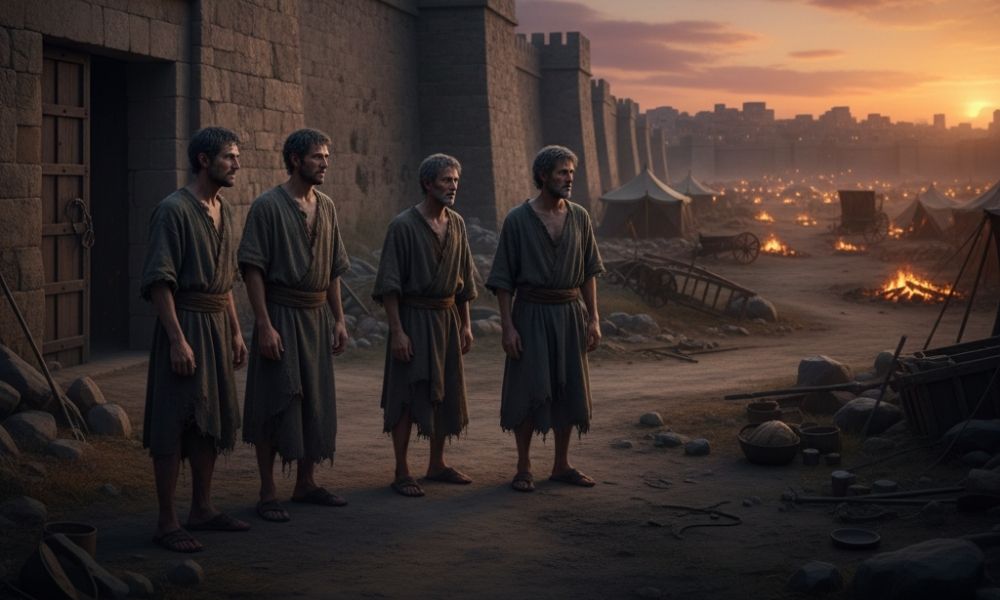
Jabesh-gilead was a city defined by a legacy of survival and fierce loyalty, best known for the valiant night raid to retrieve the bodies of King Saul and his sons from Philistine desecration.
