




Neighboring Peoples
-
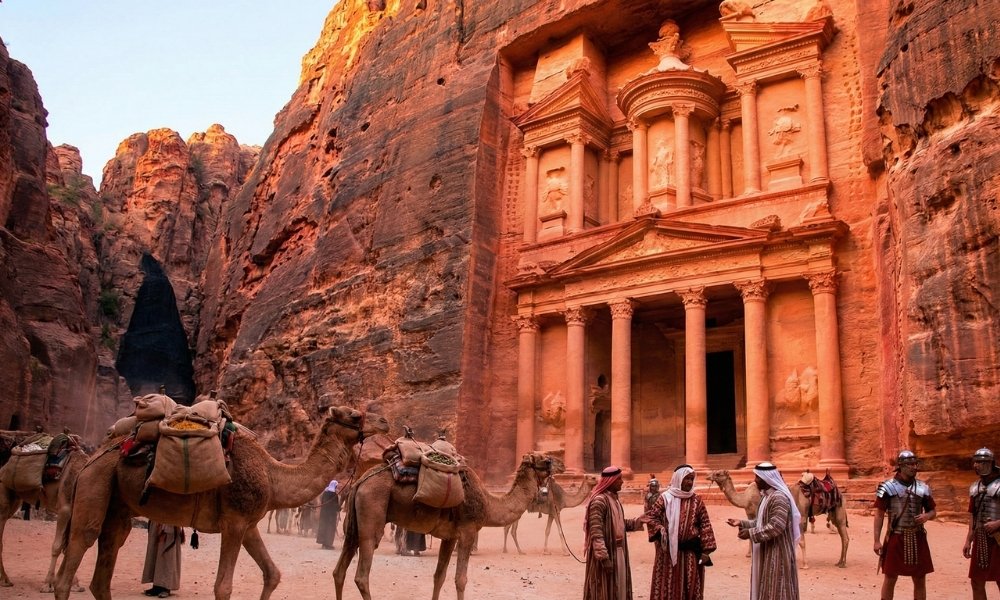
Nabateans
The Nabataeans were the wealthy Arab architects of Petra who controlled the ancient incense routes and played a critical, though often background, role in the political landscape of the New Testament era.
-
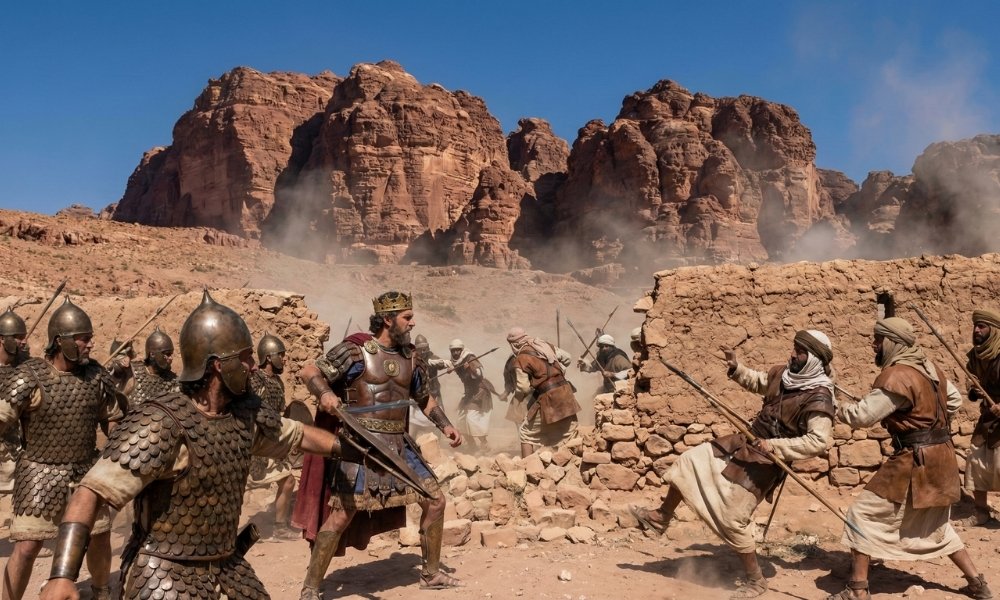
Maonites
The Maonites were a hostile desert tribe from Edom who were crushed by the kings of Judah, with their descendants ironically surviving history as servants in the Jewish Temple.
-
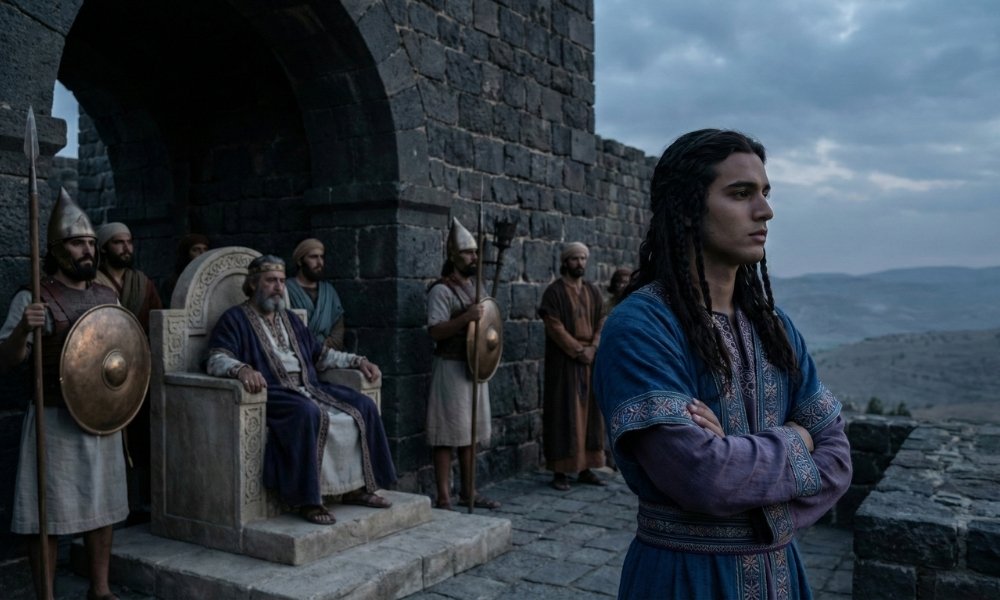
Geshurites
The Geshurites were an Aramean people whose strategic alliance with King David, through the marriage of Maakah, introduced foreign royal blood into Israel and provided the sanctuary where Absalom’s rebellion was incubated.
-
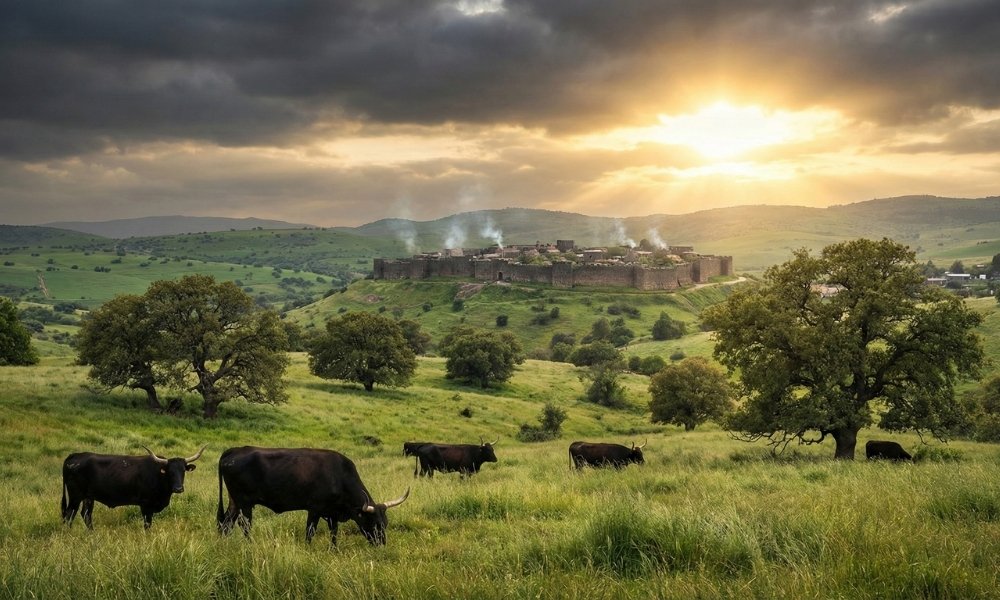
Bashanites
The people of Bashan were the formidable subjects of the giant King Og, known for their fortified cities and immense wealth, whose defeat became an eternal song of God’s victory over the impossible.
-
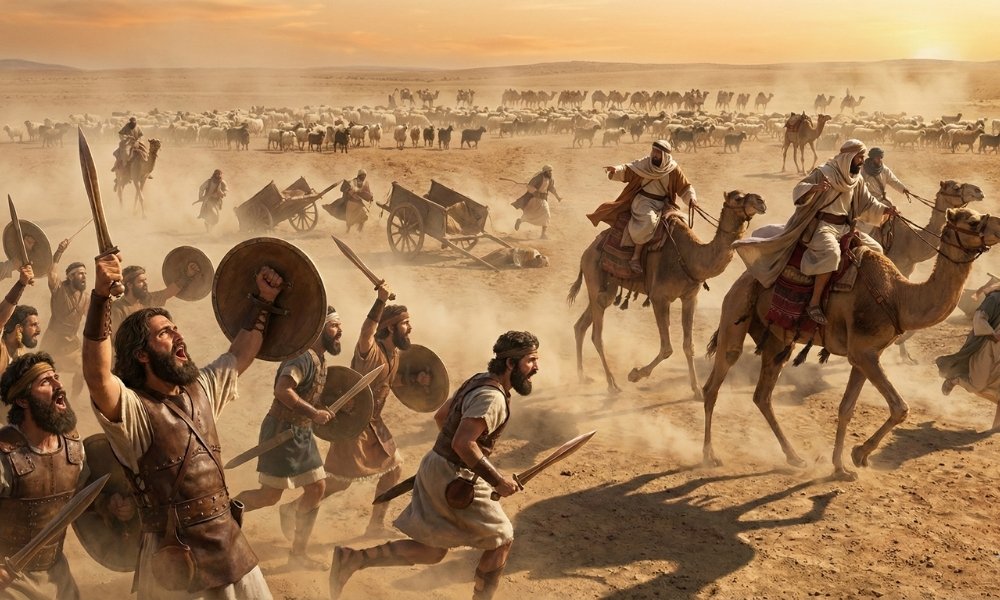
Hagarites
The Hagarites were a wealthy and powerful Ishmaelite tribe whose defeat by the Transjordanian Israelites serves as a testament that victory in battle depends on crying out to God rather than military might alone.
-
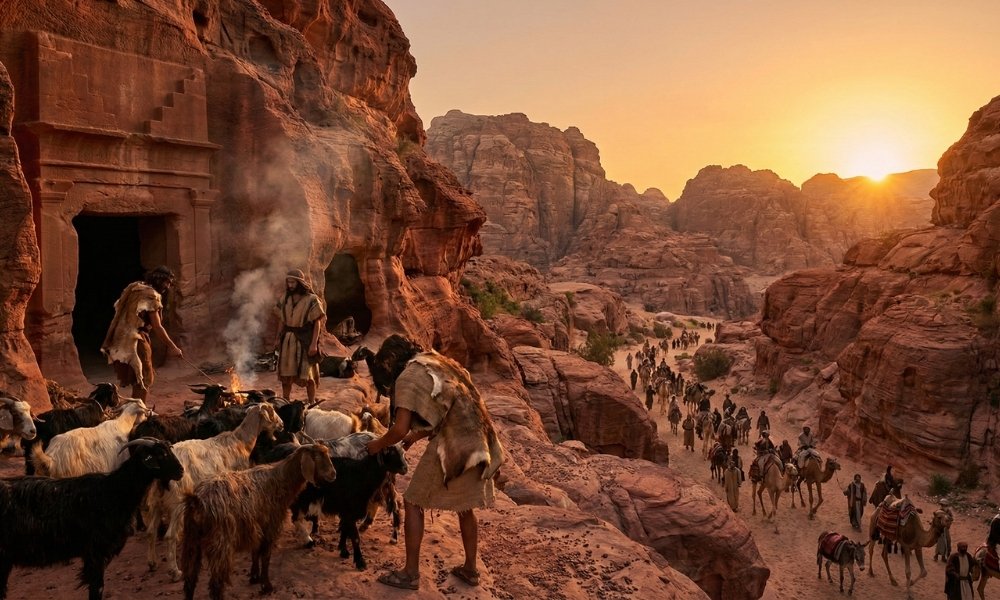
Horites
The Horites were the cave-dwelling, indigenous clans of Mount Seir who were conquered and absorbed by the descendants of Esau, serving as a historical marker of God’s sovereign assignment of lands to specific nations.
-
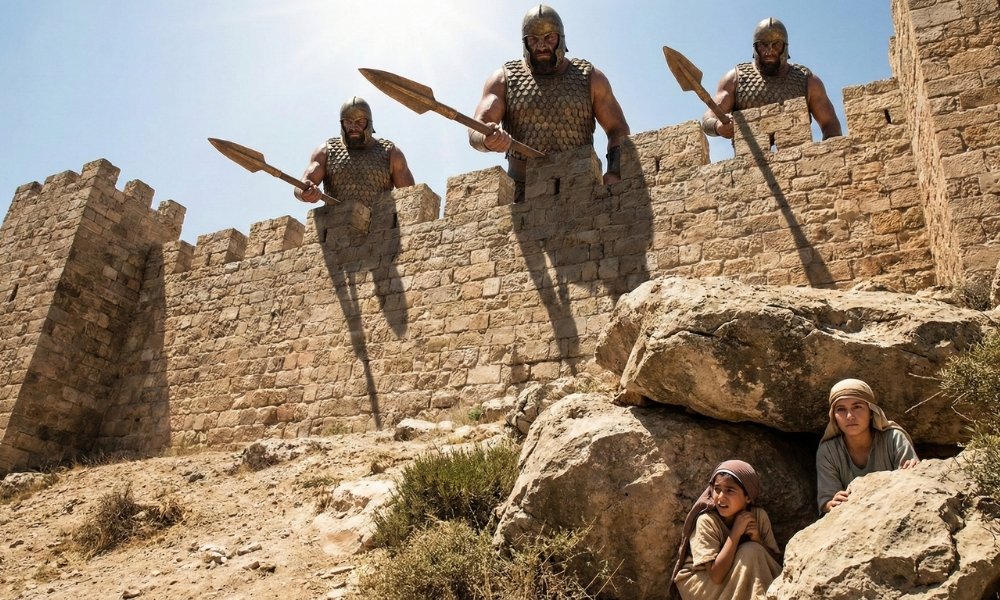
Anakites (Anakim)
The Anakites were a fearsome race of giants who tested Israel’s faith, serving as the ultimate symbol that no enemy is too great for God to overthrow.
-
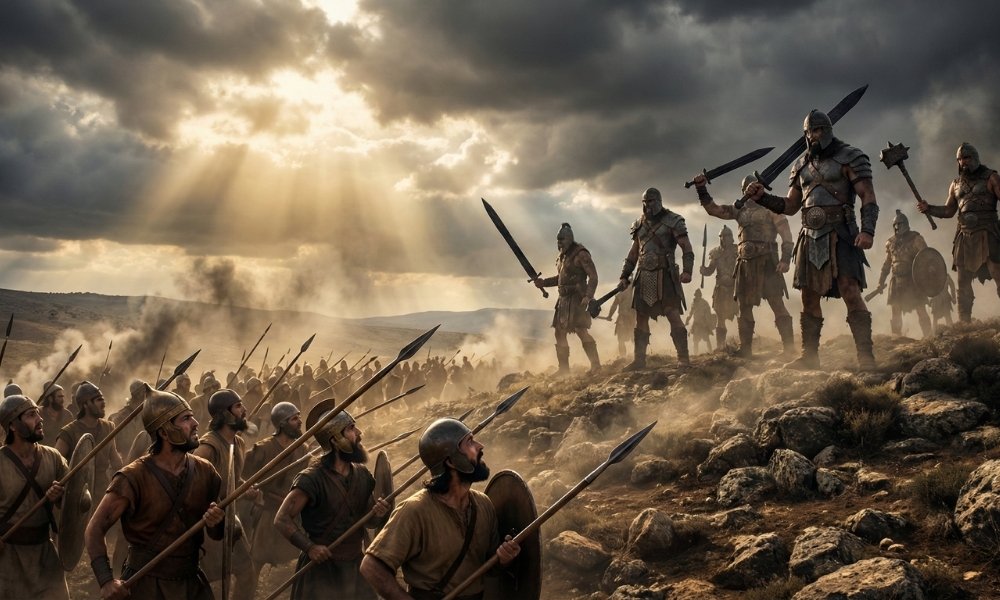
Rephaites
The Rephaites were an ancient race of giants who inhabited Canaan and Bashan, striking terror into Israel with their size and strength until they were defeated by Moses, Joshua, and David.
-
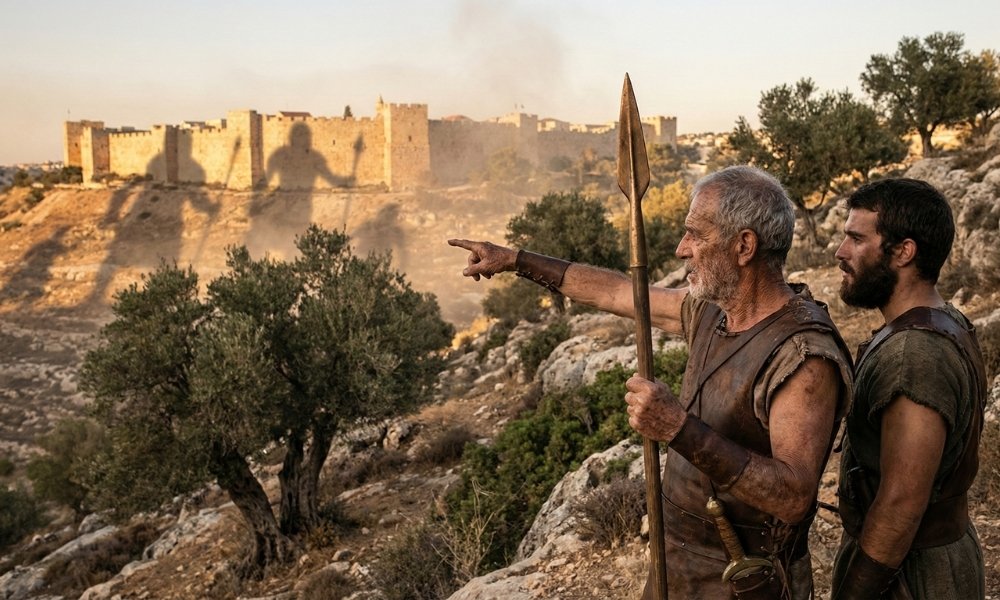
Kenizzites
The Kenizzites were a Canaanite or Edomite clan who fully assimilated into the tribe of Judah, producing the hero Caleb and the first judge Othniel, and securing the hill country of Hebron through their fierce loyalty to God.
-
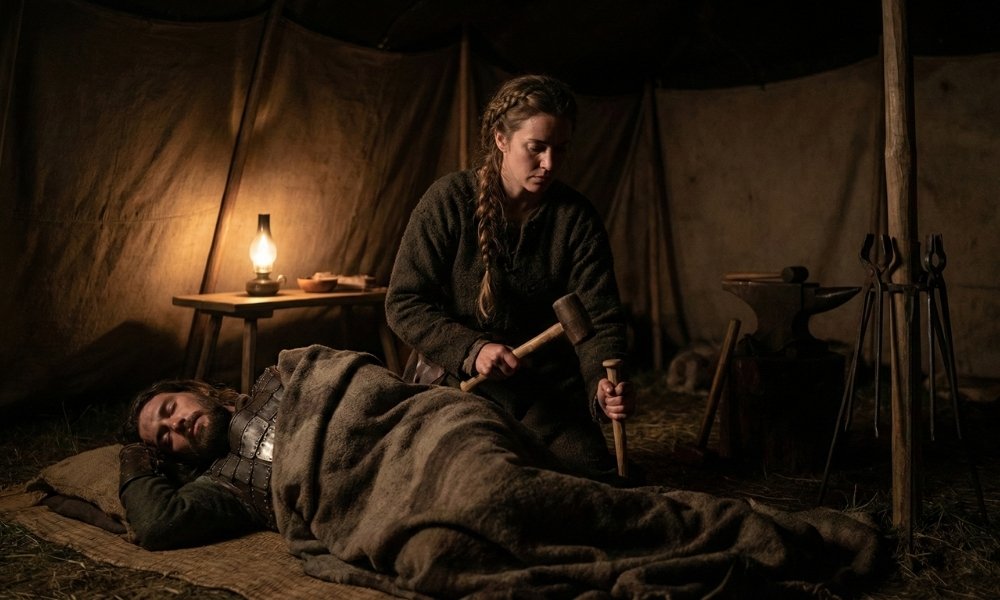
Kenites
The Kenites were a nomadic tribe of metalworkers and allies of Israel who, through figures like Jethro and Jael, provided wisdom and military aid, eventually integrating into Judah while maintaining strict ancestral traditions through the Recabite clan.
Bible Characters

-
Jonathan
Jonathan was the valiant crown prince of Israel who chose loyalty to God’s anointed over his own ambition, becoming the Bible’s ultimate example of sacrificial friendship.
-
Michal
Michal was the daughter of King Saul who saved David’s life out of love but ultimately ended her life in barren isolation because she valued royal dignity over humble worship.
-
Abner
Abner was the powerful commander of Saul’s army who, after a long rivalry with David, sought to unite all Israel under David’s crown before being tragically assassinated by Joab.
Biblical Events

-
Jonathan
Jonathan was the valiant crown prince of Israel who chose loyalty to God’s anointed over his own ambition, becoming the Bible’s ultimate example of sacrificial friendship.
-
Michal
Michal was the daughter of King Saul who saved David’s life out of love but ultimately ended her life in barren isolation because she valued royal dignity over humble worship.
-
Abner
Abner was the powerful commander of Saul’s army who, after a long rivalry with David, sought to unite all Israel under David’s crown before being tragically assassinated by Joab.
Bible Locations

-
The City of David
The City of David is the ancient, fortified ridge where King David established his capital, serving as the historical seed from which Jerusalem grew and the spiritual center of the Israelite kingdom.
-
Mahanaim
Mahanaim, meaning “Two Camps,” was the historic fortress city east of the Jordan where Jacob met angels and where kings Ishbosheth and David found refuge during Israel’s greatest civil wars.
-
Jabesh-gilead
Jabesh-gilead was a city defined by a legacy of survival and fierce loyalty, best known for the valiant night raid to retrieve the bodies of King Saul and his sons from Philistine desecration.
