


Neighboring Peoples
-
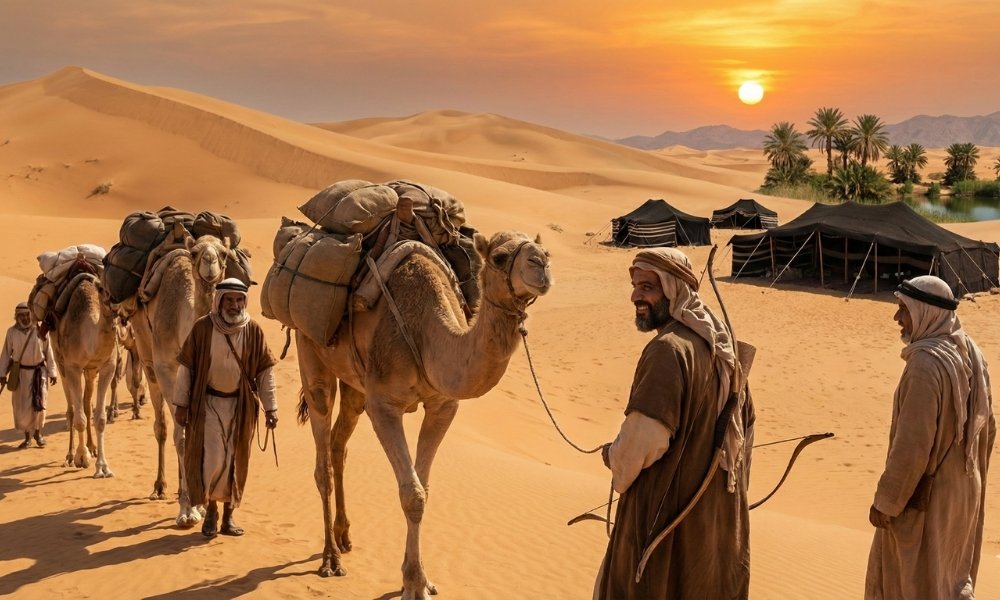
Ishmaelites
The Ishmaelites were the nomadic, freedom-loving descendants of Abraham’s first son who inhabited the desert wilderness as skilled archers and wealthy traders, representing the “wild donkey” of human independence.
-
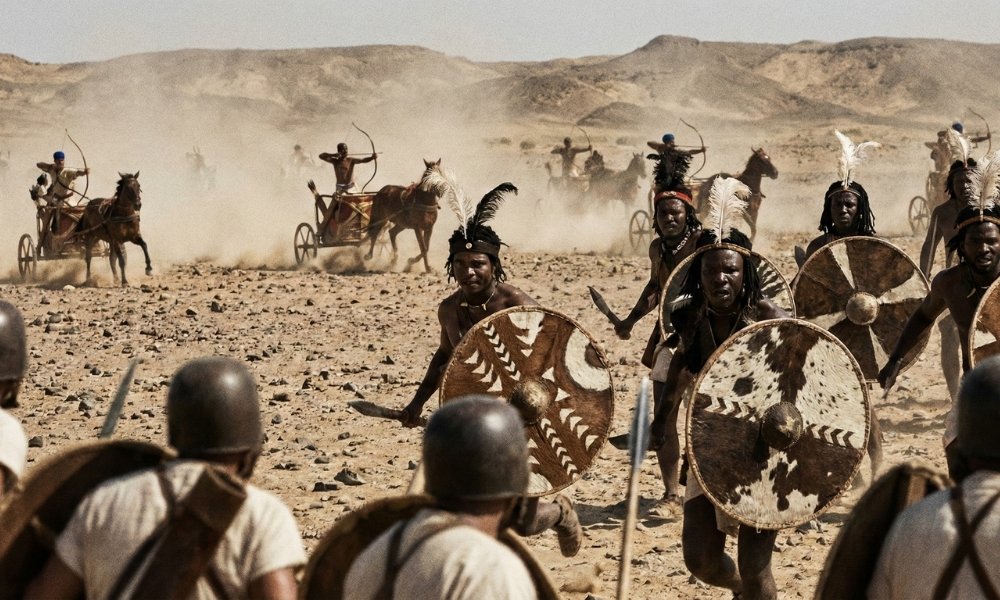
Libyans
The Libyans were the Hamitic warriors of North Africa who served as shield-bearing mercenaries for the Egyptian Pharaohs in the Old Testament and later, through the Cyrenians, played a pivotal role in the passion of Christ and the spread of the Gospel.
-
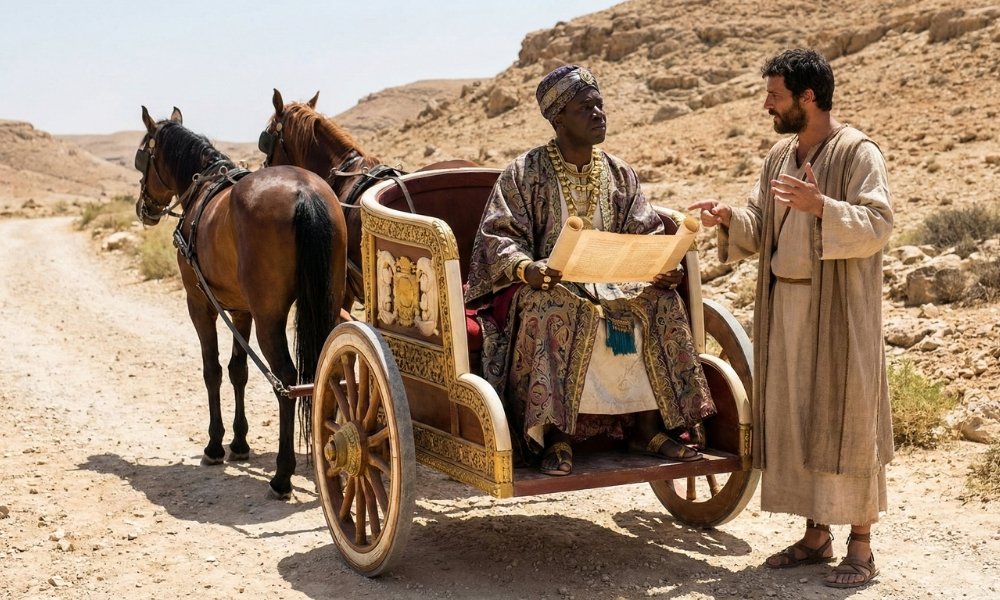
Cushites (Ethiopians)
The Cushites were the powerful inhabitants of the Upper Nile who, from the days of Moses to the early church, appeared as formidable warriors, wealthy royals, and receptive seekers of the God of Israel.
-
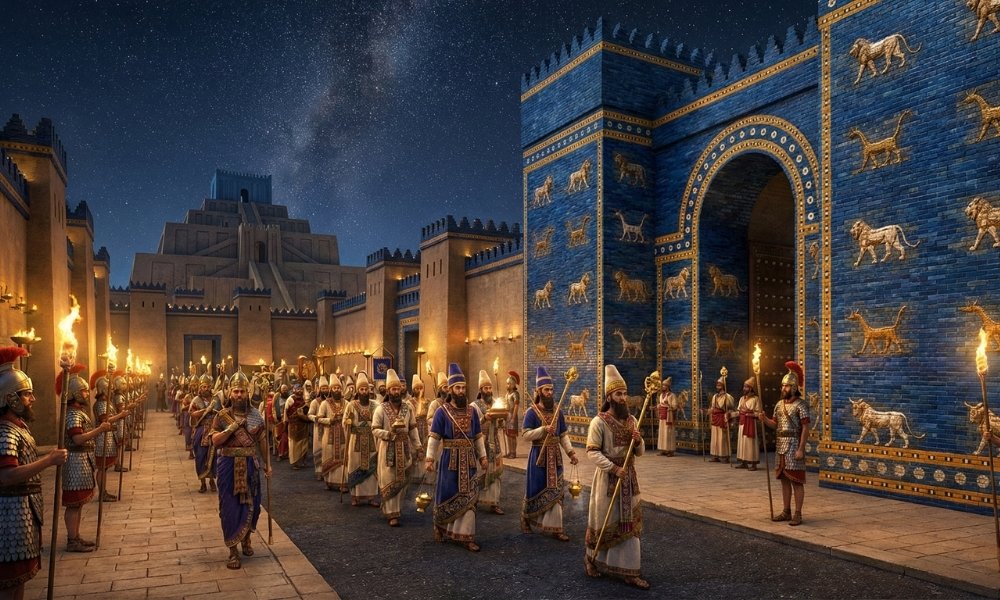
Chaldeans
The Chaldeans were the southern Mesopotamian people who established the Neo-Babylonian Empire, destroyed Solomon’s Temple under Nebuchadnezzar, and served as the famous “wise men” of the East until their fall to Persia.
-
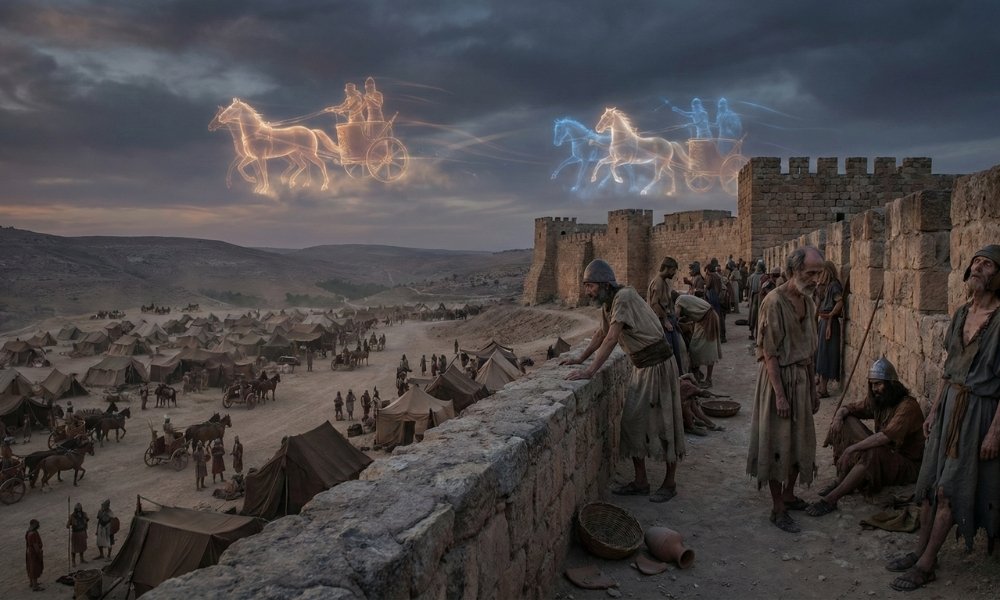
Syrians (Arameans)
The Syrians (Arameans) were the northern neighbors and kinsmen of Israel who, under powerful kings in Damascus, served as God’s instrument of judgment during the monarchy while bequeathing the Aramaic language to the biblical world.
-
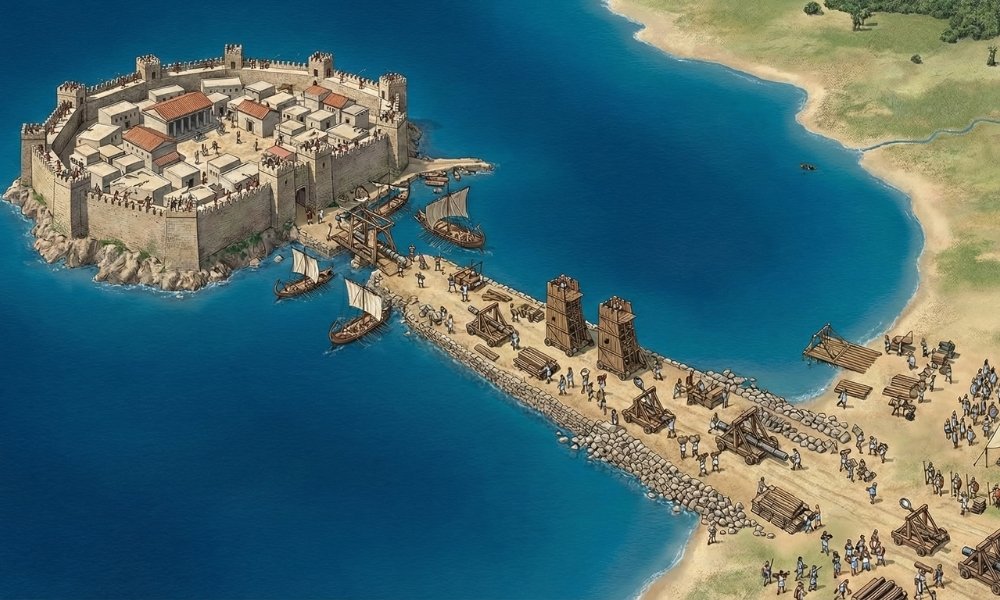
Tyrians
The Tyrians were the wealthy inhabitants of the island fortress of Tyre who helped build the Temple of God but were later judged for their arrogant pride and gloating over Jerusalem’s destruction.
-
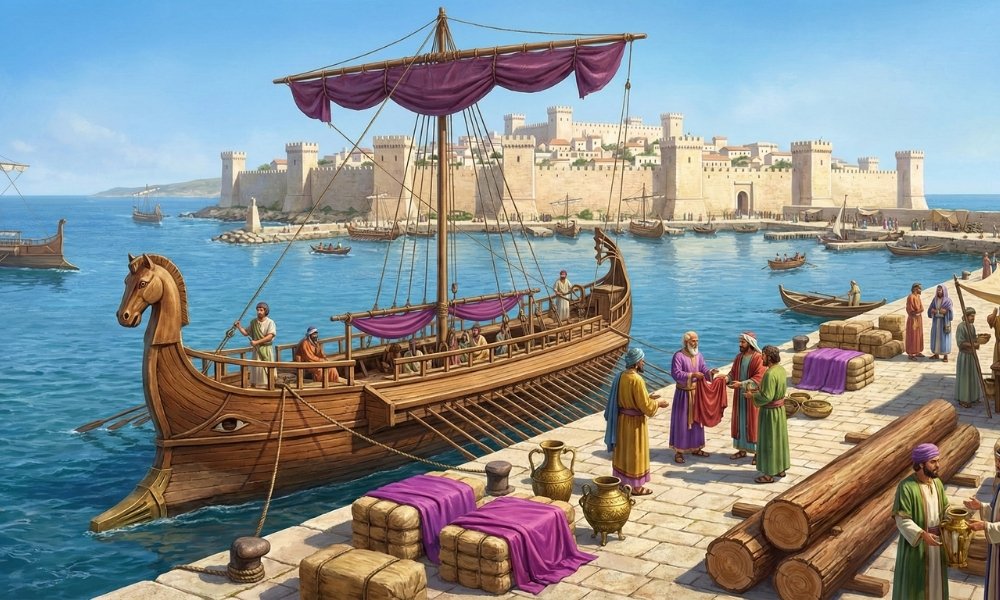
Phoenicians
The Phoenicians were the master sailors and wealthy merchants of the biblical world who built Solomon’s Temple but whose commercial pride and export of idolatry drew the judgment of the prophets.
-
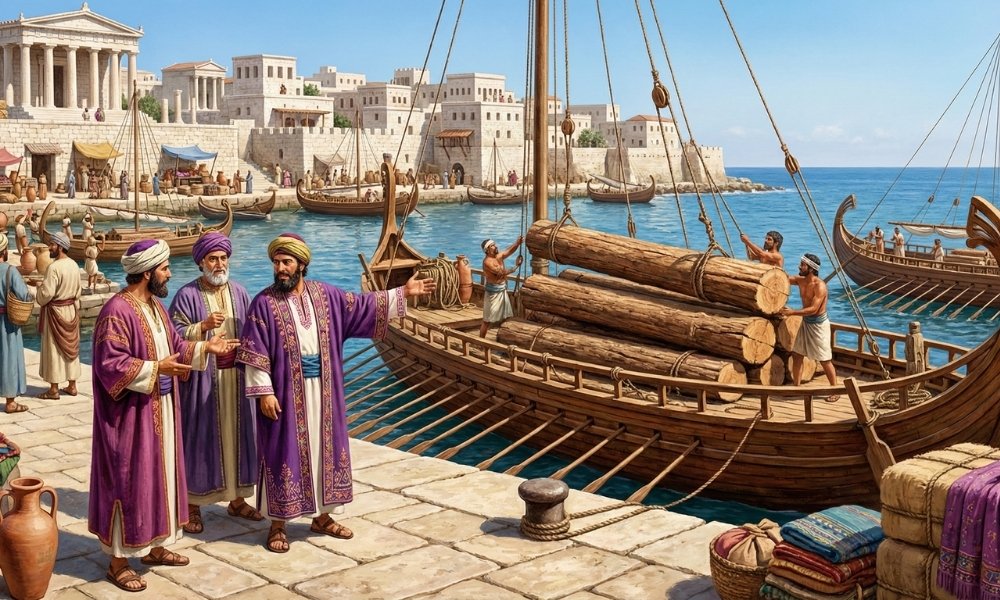
Sidonians
The Sidonians were the master craftsmen and mariners of the Phoenician coast who helped build Solomon’s Temple but also corrupted Israel through the Baal worship introduced by their princess, Jezebel.
-
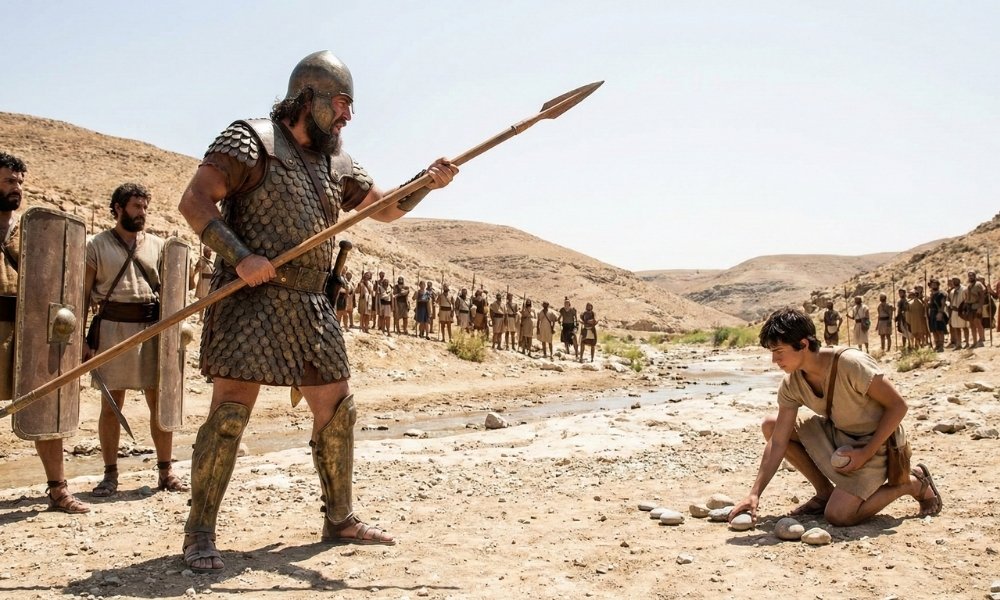
Philistines
The Philistines were powerful Aegean invaders who settled the coastal plain and used their iron technology to oppress Israel until they were subjugated by King David.
-
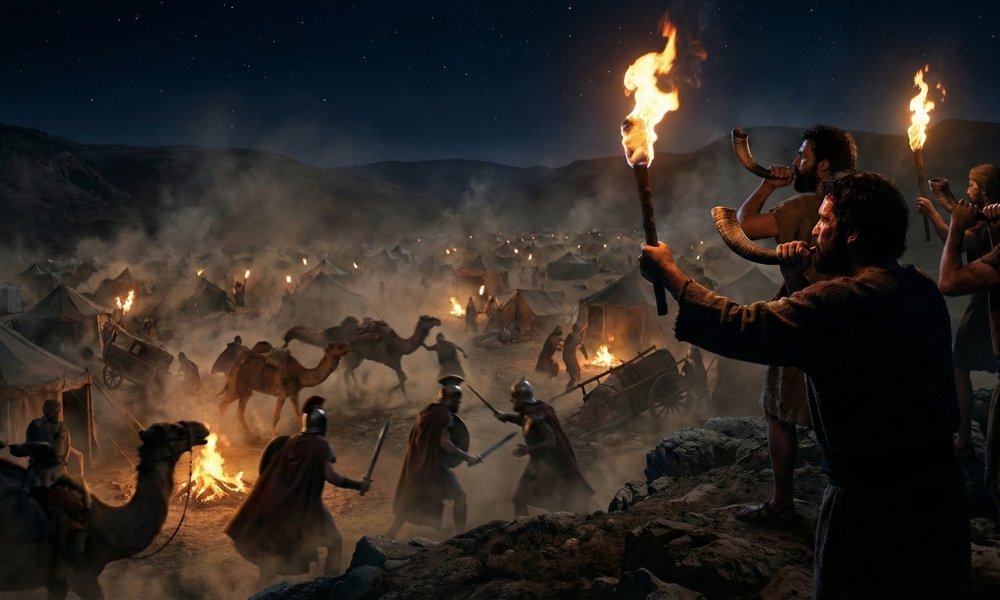
Midianites
The Midianites were the nomadic descendants of Abraham and Keturah who played a dual role in biblical history, serving as Moses’ hospitable in-laws during his exile and later as oppressive raiders whom Gideon defeated.
Bible Characters

-
Jonathan
Jonathan was the valiant crown prince of Israel who chose loyalty to God’s anointed over his own ambition, becoming the Bible’s ultimate example of sacrificial friendship.
-
Michal
Michal was the daughter of King Saul who saved David’s life out of love but ultimately ended her life in barren isolation because she valued royal dignity over humble worship.
-
Abner
Abner was the powerful commander of Saul’s army who, after a long rivalry with David, sought to unite all Israel under David’s crown before being tragically assassinated by Joab.
Biblical Events

-
Jonathan
Jonathan was the valiant crown prince of Israel who chose loyalty to God’s anointed over his own ambition, becoming the Bible’s ultimate example of sacrificial friendship.
-
Michal
Michal was the daughter of King Saul who saved David’s life out of love but ultimately ended her life in barren isolation because she valued royal dignity over humble worship.
-
Abner
Abner was the powerful commander of Saul’s army who, after a long rivalry with David, sought to unite all Israel under David’s crown before being tragically assassinated by Joab.
Bible Locations

-
The City of David
The City of David is the ancient, fortified ridge where King David established his capital, serving as the historical seed from which Jerusalem grew and the spiritual center of the Israelite kingdom.
-
Mahanaim
Mahanaim, meaning “Two Camps,” was the historic fortress city east of the Jordan where Jacob met angels and where kings Ishbosheth and David found refuge during Israel’s greatest civil wars.
-
Jabesh-gilead
Jabesh-gilead was a city defined by a legacy of survival and fierce loyalty, best known for the valiant night raid to retrieve the bodies of King Saul and his sons from Philistine desecration.
