

Neighboring Peoples
-
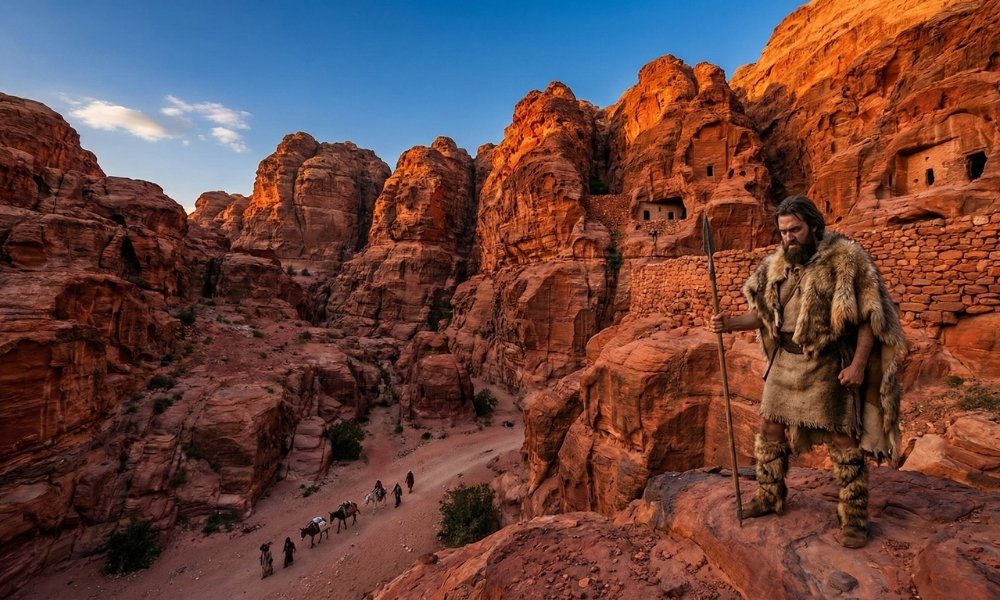
Edomites
The Edomites were the descendants of Esau who inhabited the red rock fortresses of Seir and maintained a perpetual, jealous rivalry with their brother nation Israel, culminating in the Herodian dynasty.
-
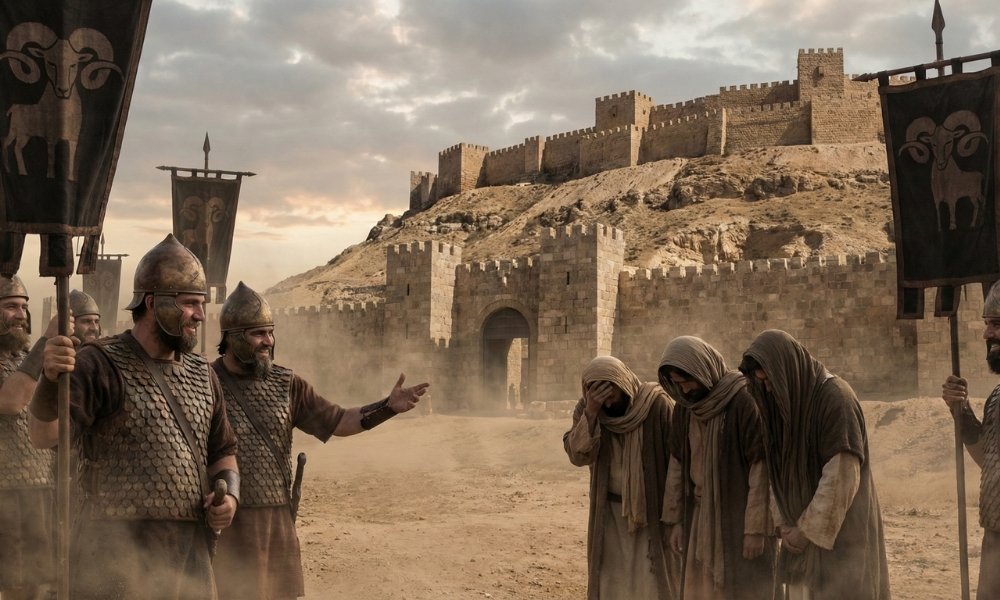
Ammonites
The Ammonites were the cruel and idolatrous descendants of Lot who occupied the region of modern-day Jordan and were known for their brutal warfare tactics and worship of Molech.
-
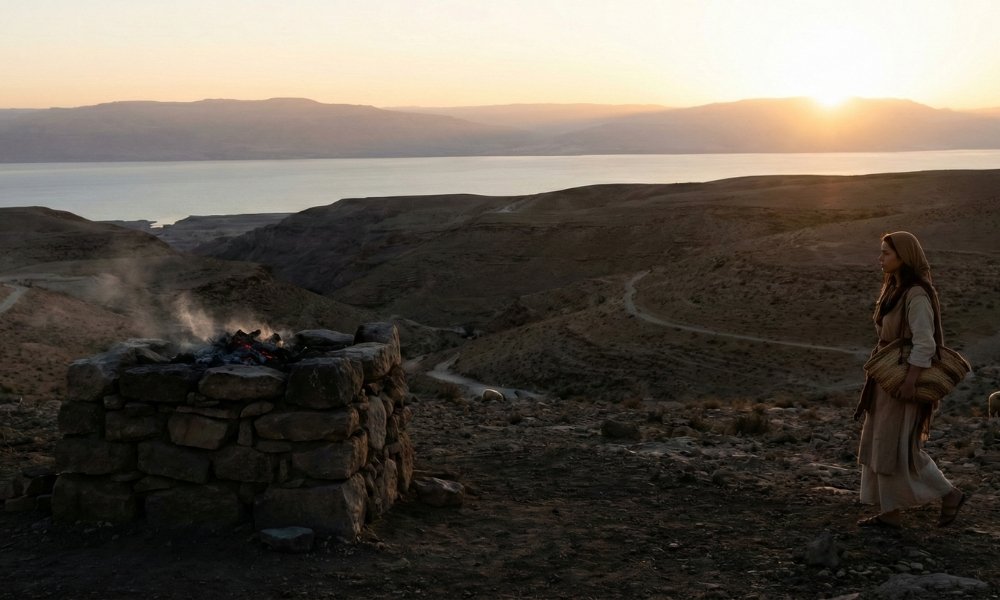
Moabites
The Moabites were the descendants of Lot who inhabited the plateau east of the Dead Sea, serving as both a spiritual stumbling block to Israel through idolatry and a vessel of divine grace through Ruth.
-
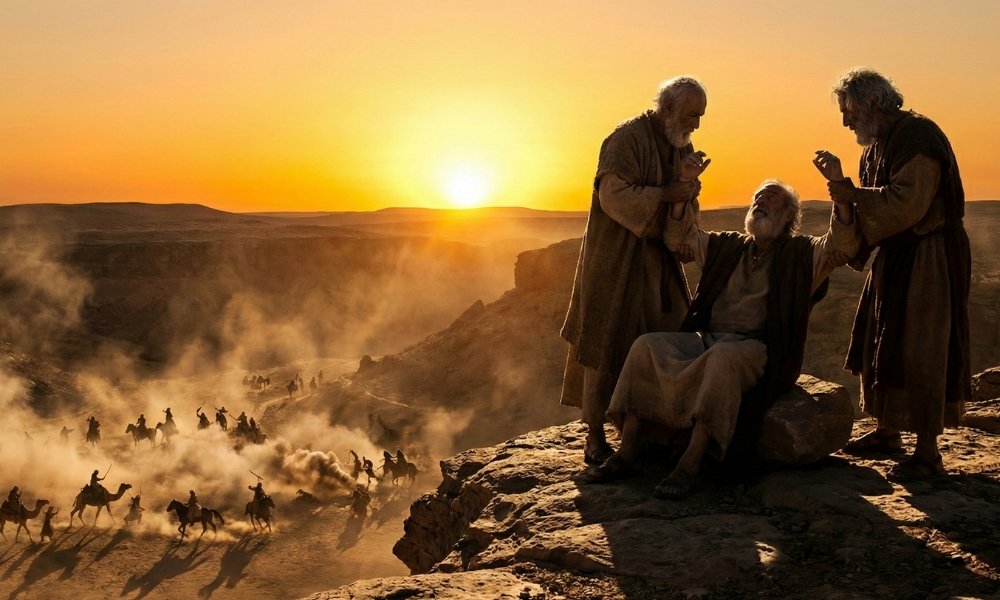
Amalekites
The Amalekites were the nomadic, predatory descendants of Esau who became Israel’s perpetual enemy by attacking the weak and weary during the Exodus, symbolizing the persistent opposition of the flesh against the spirit.
-
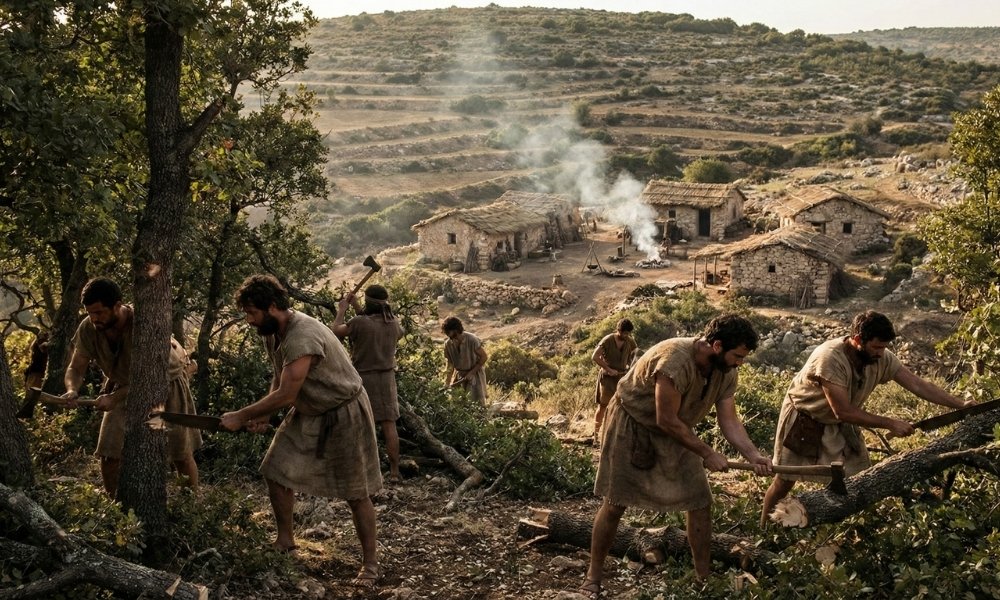
Perizzites
The Perizzites were the rural, village-dwelling inhabitants of the Canaanite hill country who controlled the forests and open lands until they were defeated by the tribes of Judah and Ephraim.
-
Girgashites
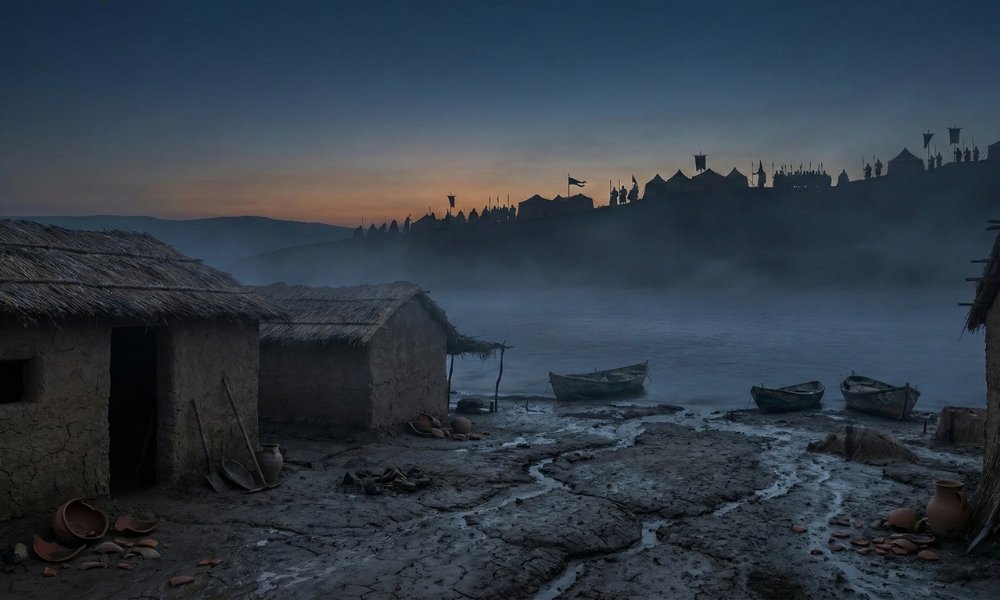
The Girgashites were one of the seven Canaanite nations destined for destruction, an obscure people likely dwelling near the Sea of Galilee whose complete disappearance testifies to the thoroughness of the Israelite conquest.
-
Jebusites
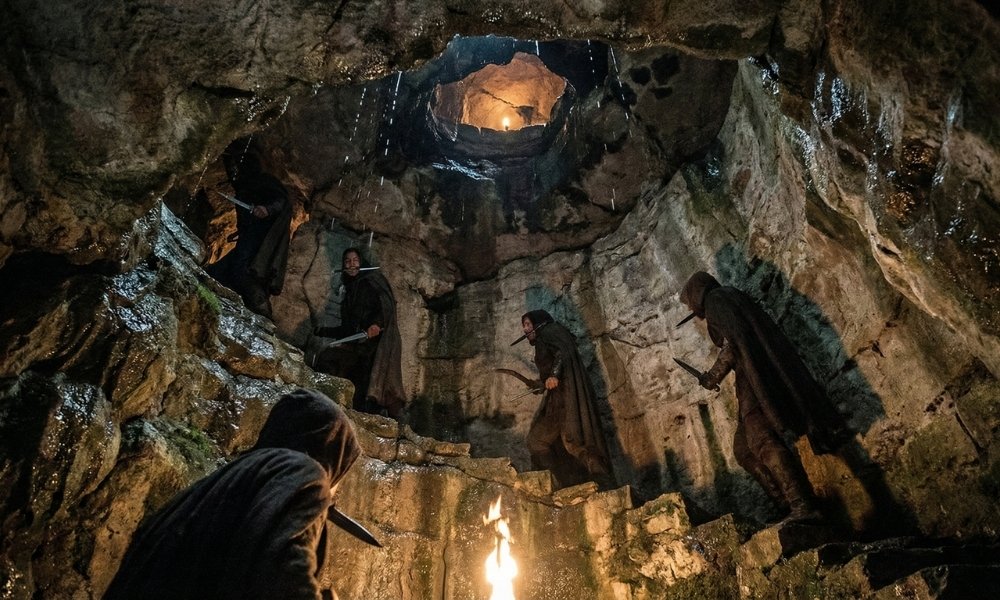
The Jebusites were the confident Canaanite inhabitants of Jerusalem who held the fortress of Zion for centuries until King David conquered them, turning their city into the capital of Israel and their threshing floor into the site of the Temple.
-
Hivites
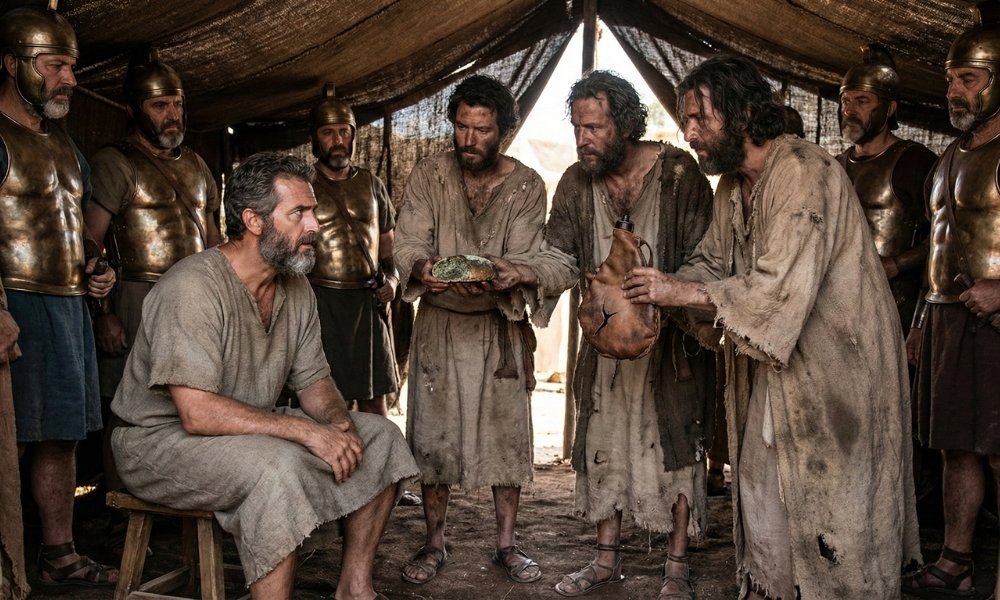
The Hivites were a pragmatic Canaanite people known for the incident at Shechem and for the Gibeonites’ successful deception of Joshua, which secured their survival as servants in God’s house.
-
Hittites
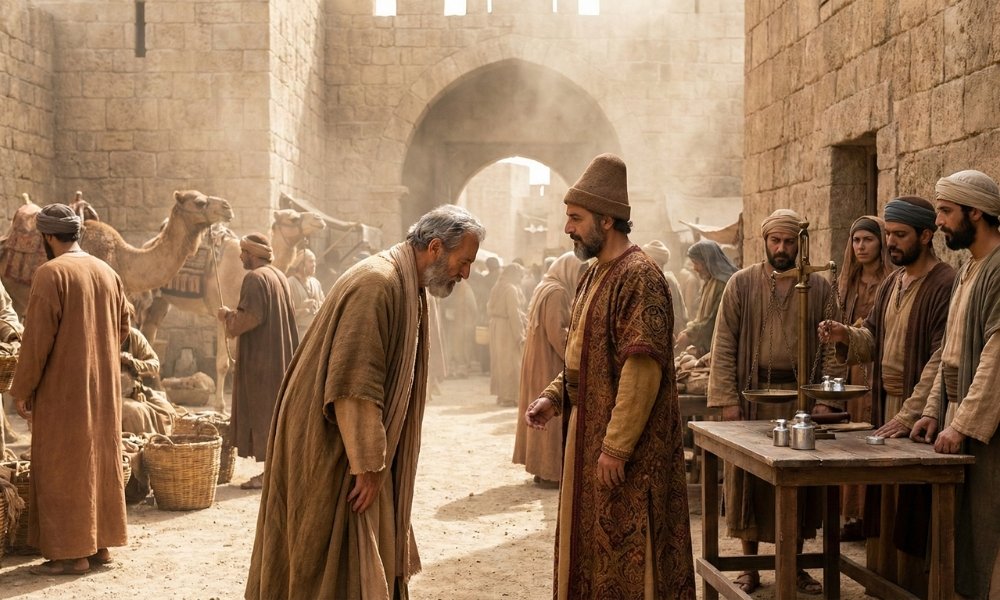
The Hittites were a formidable ancient empire and local Canaanite power who interacted with Israel as landowners, fierce military rivals, and loyal mercenaries like Uriah.
-
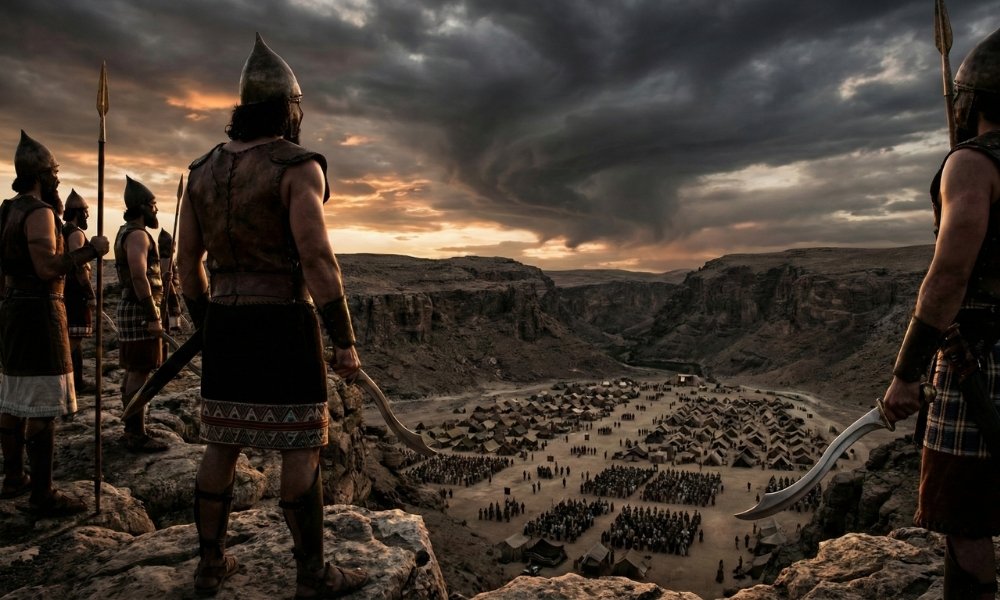
Amorites
The Amorites were a powerful, mountainous civilization whose entrenched wickedness and military might posed the greatest challenge to the Israelite conquest of the Promised Land.
Bible Characters

-
Jonathan
Jonathan was the valiant crown prince of Israel who chose loyalty to God’s anointed over his own ambition, becoming the Bible’s ultimate example of sacrificial friendship.
-
Michal
Michal was the daughter of King Saul who saved David’s life out of love but ultimately ended her life in barren isolation because she valued royal dignity over humble worship.
-
Abner
Abner was the powerful commander of Saul’s army who, after a long rivalry with David, sought to unite all Israel under David’s crown before being tragically assassinated by Joab.
Biblical Events

-
Jonathan
Jonathan was the valiant crown prince of Israel who chose loyalty to God’s anointed over his own ambition, becoming the Bible’s ultimate example of sacrificial friendship.
-
Michal
Michal was the daughter of King Saul who saved David’s life out of love but ultimately ended her life in barren isolation because she valued royal dignity over humble worship.
-
Abner
Abner was the powerful commander of Saul’s army who, after a long rivalry with David, sought to unite all Israel under David’s crown before being tragically assassinated by Joab.
Bible Locations

-
The City of David
The City of David is the ancient, fortified ridge where King David established his capital, serving as the historical seed from which Jerusalem grew and the spiritual center of the Israelite kingdom.
-
Mahanaim
Mahanaim, meaning “Two Camps,” was the historic fortress city east of the Jordan where Jacob met angels and where kings Ishbosheth and David found refuge during Israel’s greatest civil wars.
-
Jabesh-gilead
Jabesh-gilead was a city defined by a legacy of survival and fierce loyalty, best known for the valiant night raid to retrieve the bodies of King Saul and his sons from Philistine desecration.
