



Regions & Territories
-
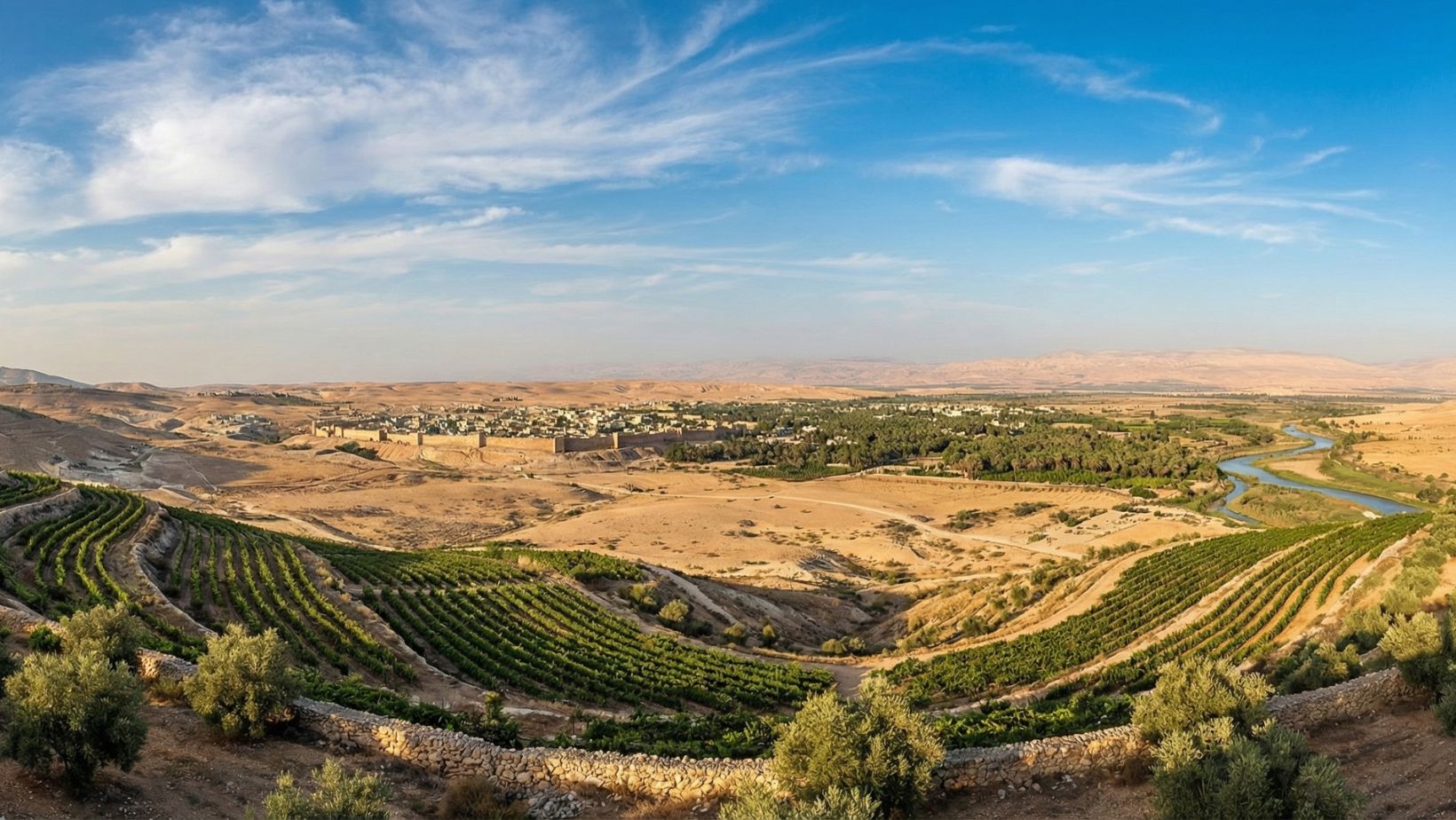
Canaan
Canaan was the fertile and strategically vital land promised to Abraham, characterized by powerful city-states and idolatrous nations, which the Israelites eventually conquered to establish their covenant home.
-

Dalmatia
Dalmatia was a rugged Roman province evangelized by Titus during Paul’s final days, representing the unstoppable expansion of the Gospel into the difficult frontiers of the ancient world.
-
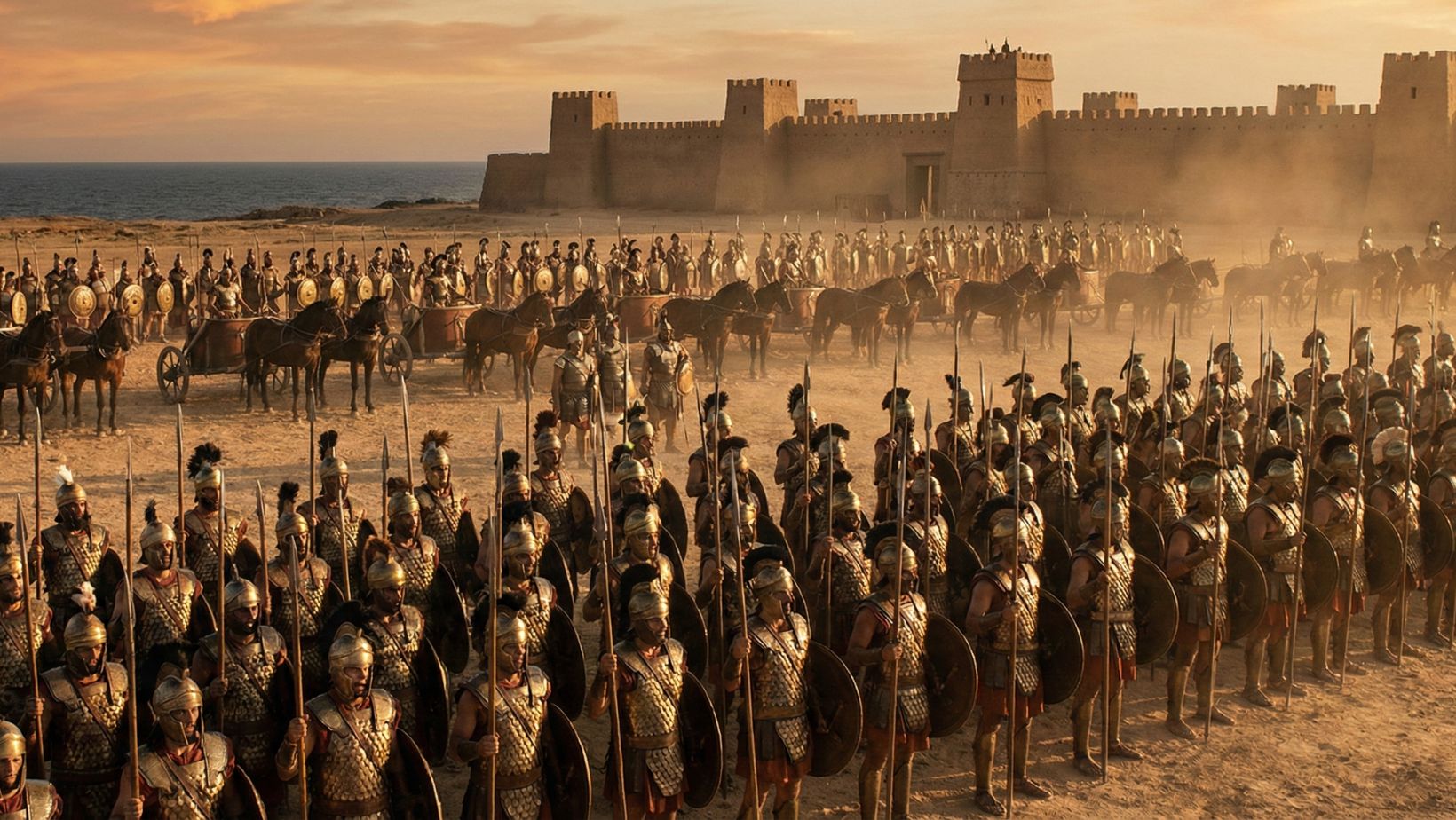
Philistia
The Philistines were a powerful, iron-wielding maritime nation who served as ancient Israel’s most persistent military rival, acting as the catalyst for Israel’s unification under a monarchy.
-
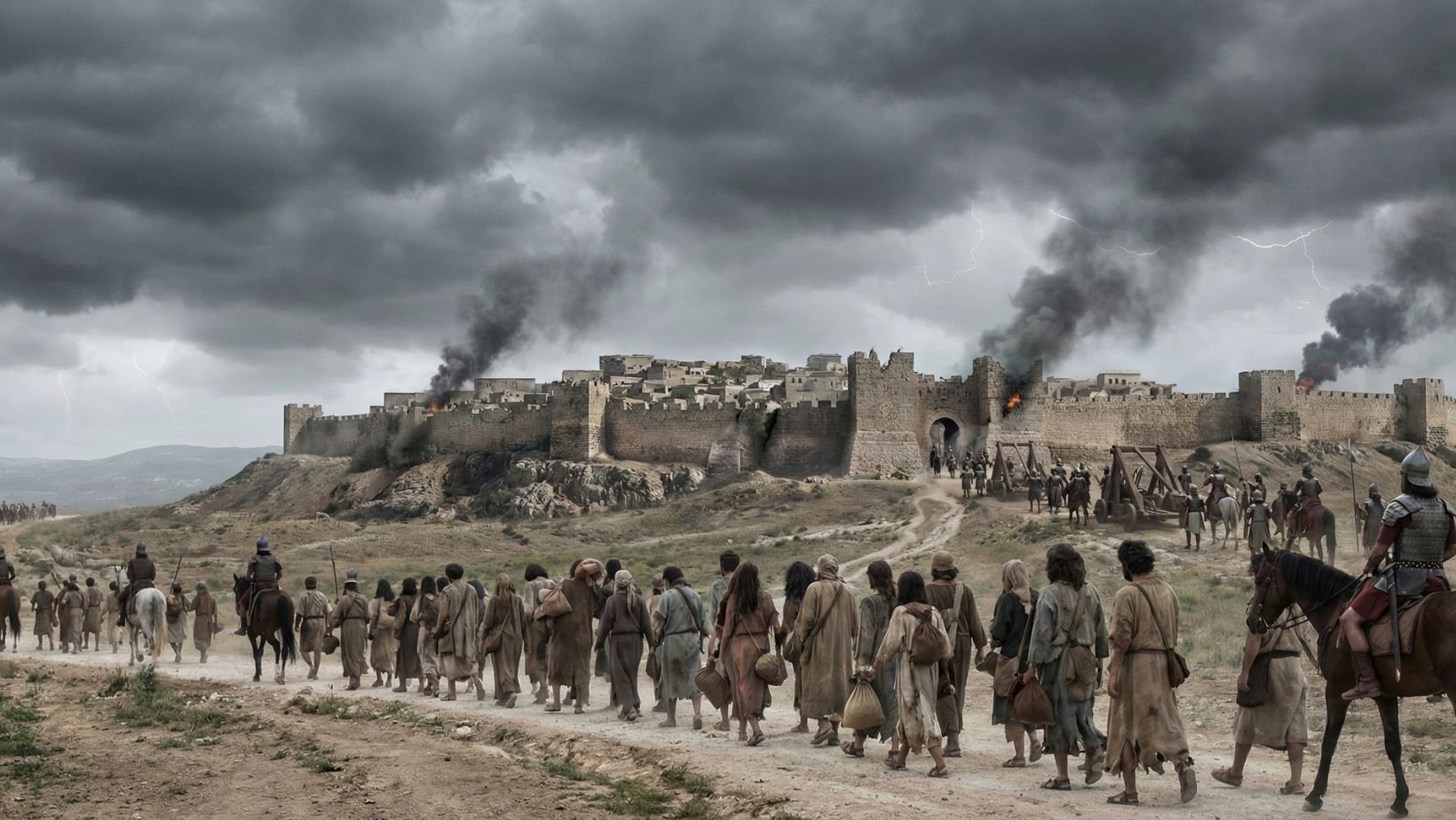
Samaria
After centuries of idolatry and ignored warnings, God allows the Assyrians to destroy Samaria and exile Israel, repopulating the land with foreigners who create a mixed religion, giving rise to the Samaritan people.
-
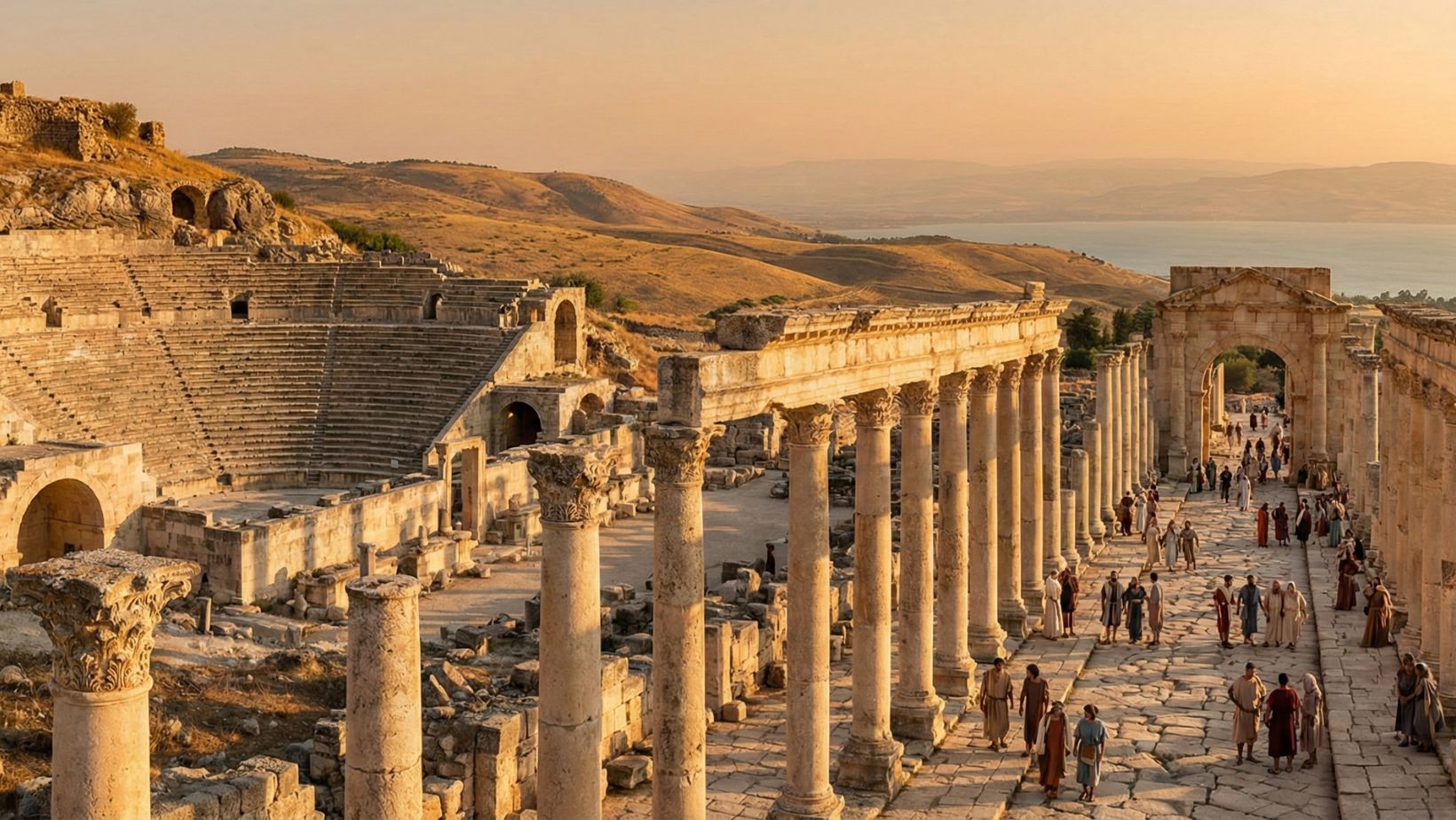
Decapolis
The Decapolis was a league of ten Hellenistic cities on the eastern frontier of Rome that served as a significant setting for Jesus’ ministry to the Gentiles and a refuge for the early Church.
-
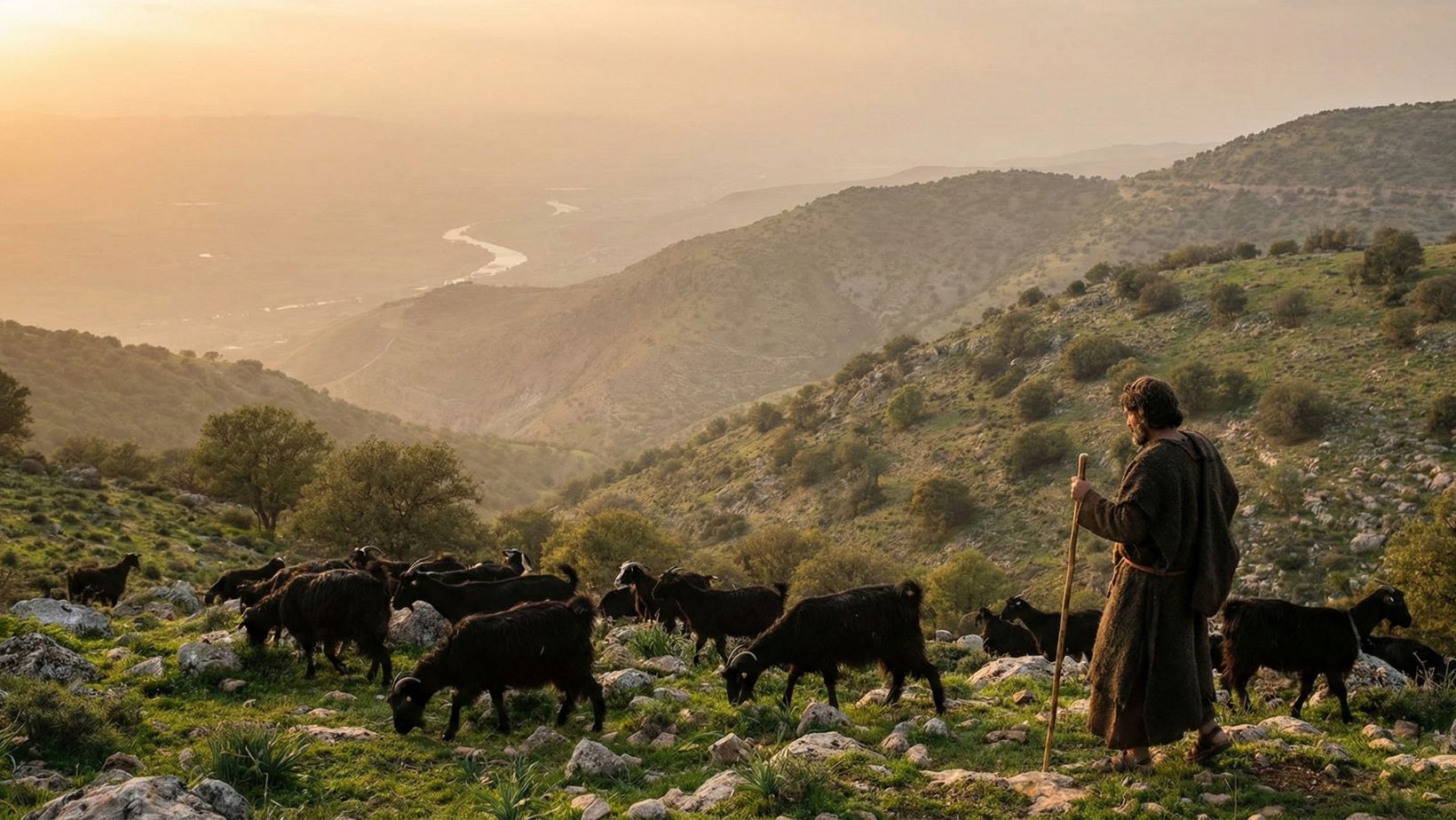
Gilead
Gilead was the rugged, fertile frontier east of the Jordan, known for its warriors, its healing balm, and its role as a refuge for biblical leaders in crisis.
-
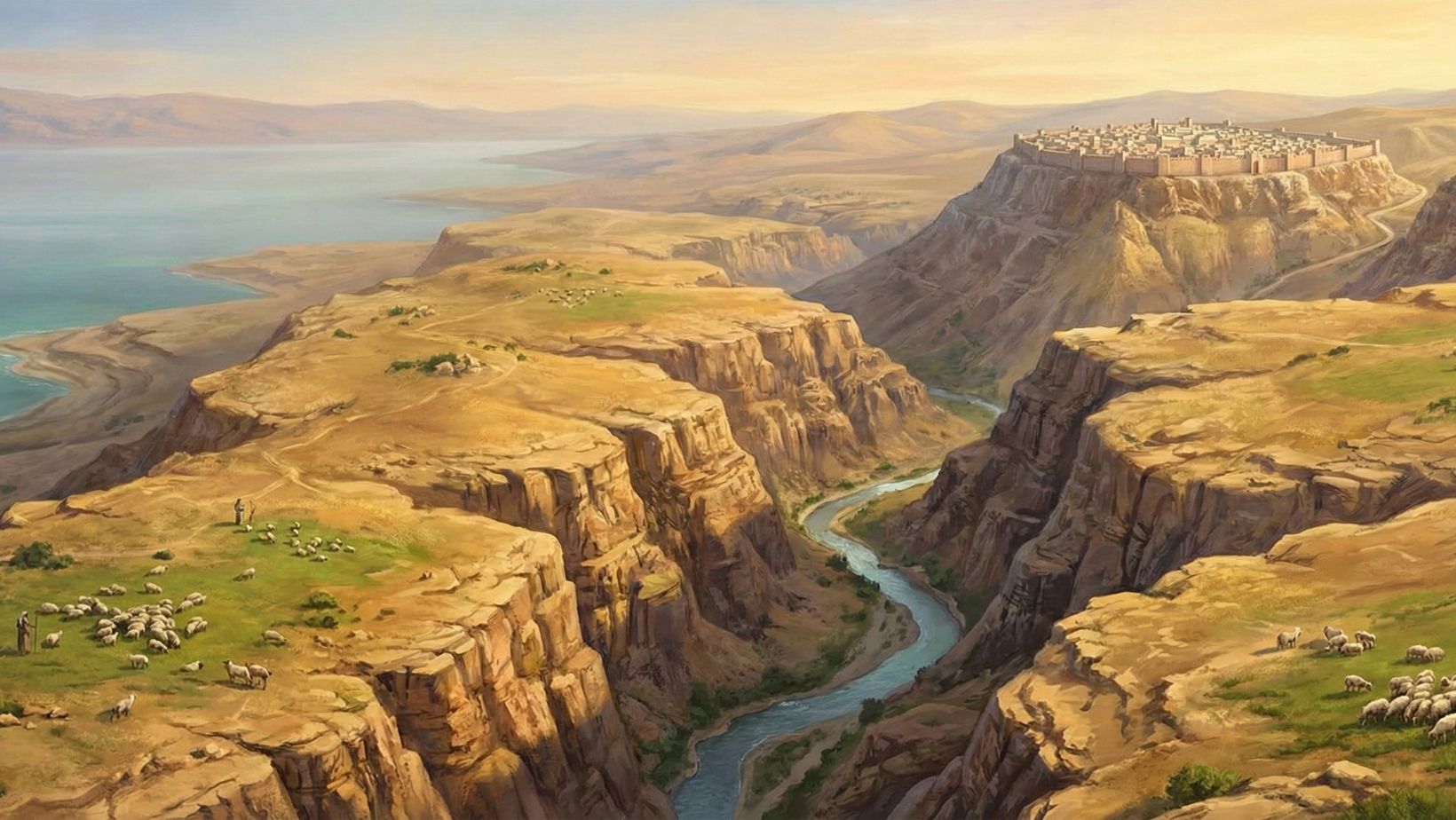
Moab
The region of Moab was a high, fertile plateau and natural fortress east of the Dead Sea that served as the final staging ground for the Exodus, a breadbasket for refugees like Ruth, and a perennial military rival to the kingdom of Israel.
-
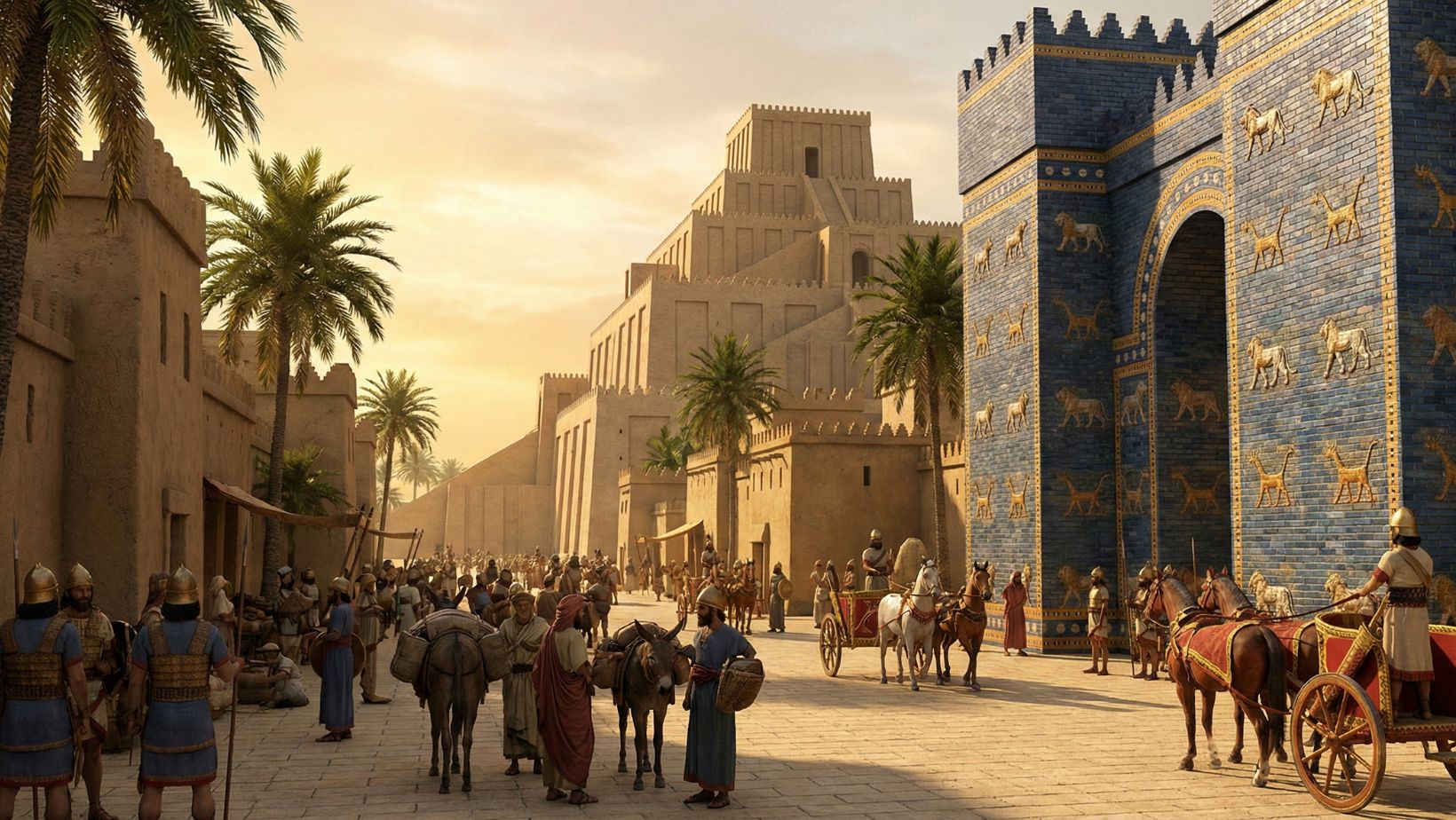
Babylon
Babylon was the superpower empire that destroyed Jerusalem and exiled the Jews, serving throughout Scripture as the ultimate symbol of human pride and rebellion against God.
-
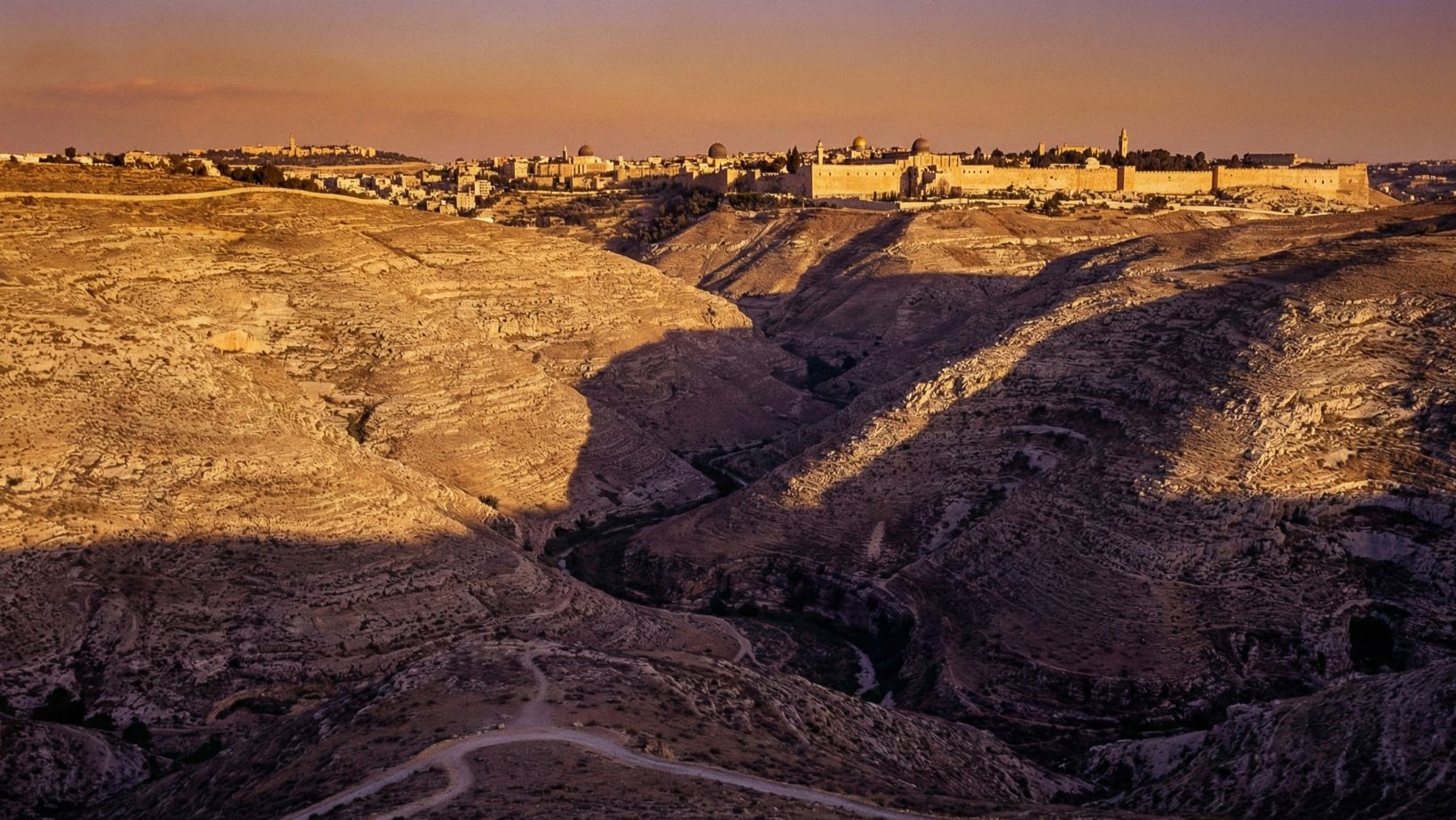
Judea
Judea is the rugged, mountainous southern region of Israel that served as the political and religious center of the Jewish people, the home of the Temple, and the stage for the birth and death of Jesus Christ.
-
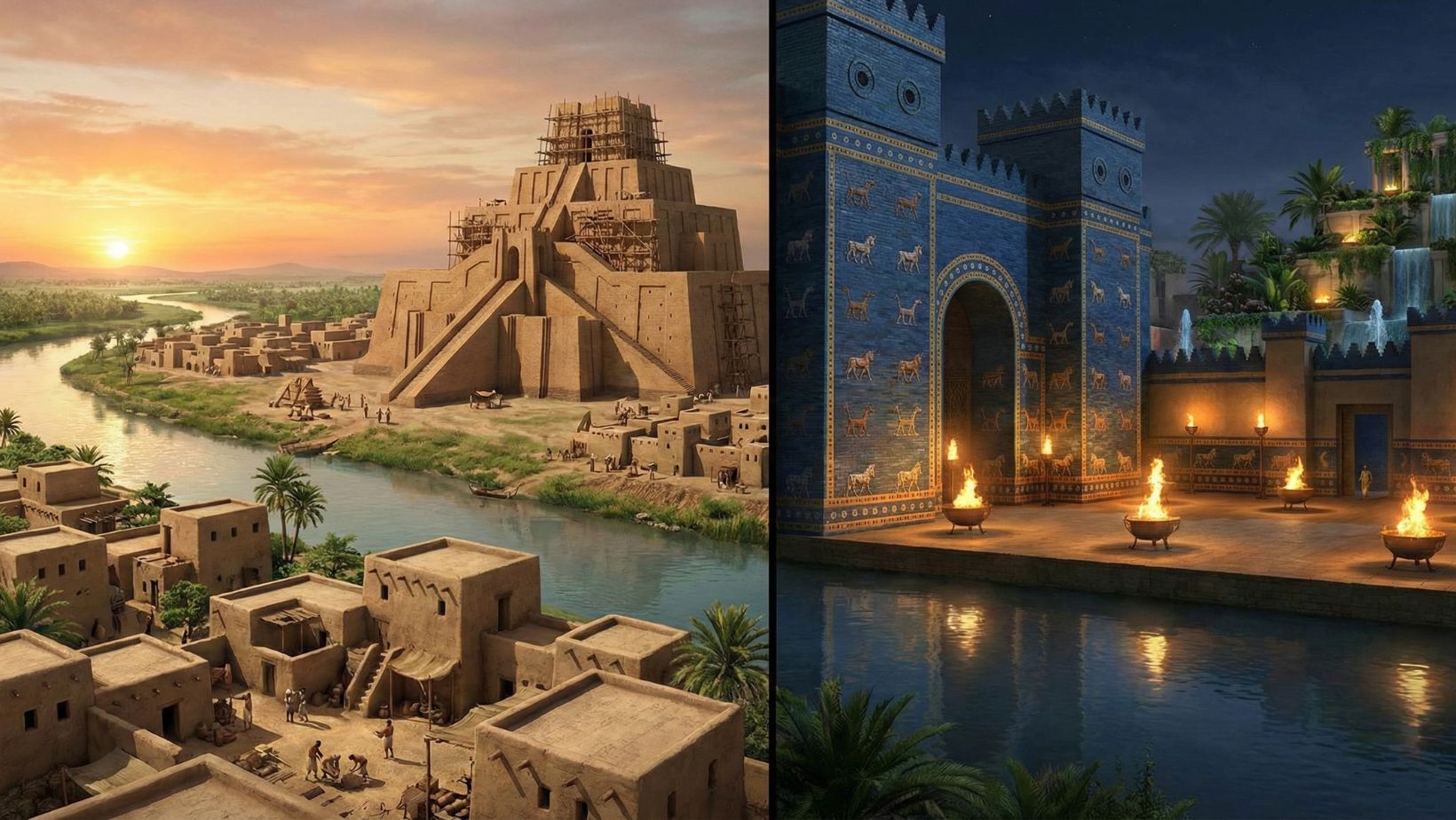
Mesopotamia
Mesopotamia is the geographical bookend of Old Testament history—the site of humanity’s creation and rebellion, the birthplace of the Hebrew patriarchs, and the land of captivity and refinement for God’s people.
Bible Characters

-
Jonathan
Jonathan was the valiant crown prince of Israel who chose loyalty to God’s anointed over his own ambition, becoming the Bible’s ultimate example of sacrificial friendship.
-
Michal
Michal was the daughter of King Saul who saved David’s life out of love but ultimately ended her life in barren isolation because she valued royal dignity over humble worship.
-
Abner
Abner was the powerful commander of Saul’s army who, after a long rivalry with David, sought to unite all Israel under David’s crown before being tragically assassinated by Joab.
Biblical Events

-
Jonathan
Jonathan was the valiant crown prince of Israel who chose loyalty to God’s anointed over his own ambition, becoming the Bible’s ultimate example of sacrificial friendship.
-
Michal
Michal was the daughter of King Saul who saved David’s life out of love but ultimately ended her life in barren isolation because she valued royal dignity over humble worship.
-
Abner
Abner was the powerful commander of Saul’s army who, after a long rivalry with David, sought to unite all Israel under David’s crown before being tragically assassinated by Joab.
Bible Locations

-
The City of David
The City of David is the ancient, fortified ridge where King David established his capital, serving as the historical seed from which Jerusalem grew and the spiritual center of the Israelite kingdom.
-
Mahanaim
Mahanaim, meaning “Two Camps,” was the historic fortress city east of the Jordan where Jacob met angels and where kings Ishbosheth and David found refuge during Israel’s greatest civil wars.
-
Jabesh-gilead
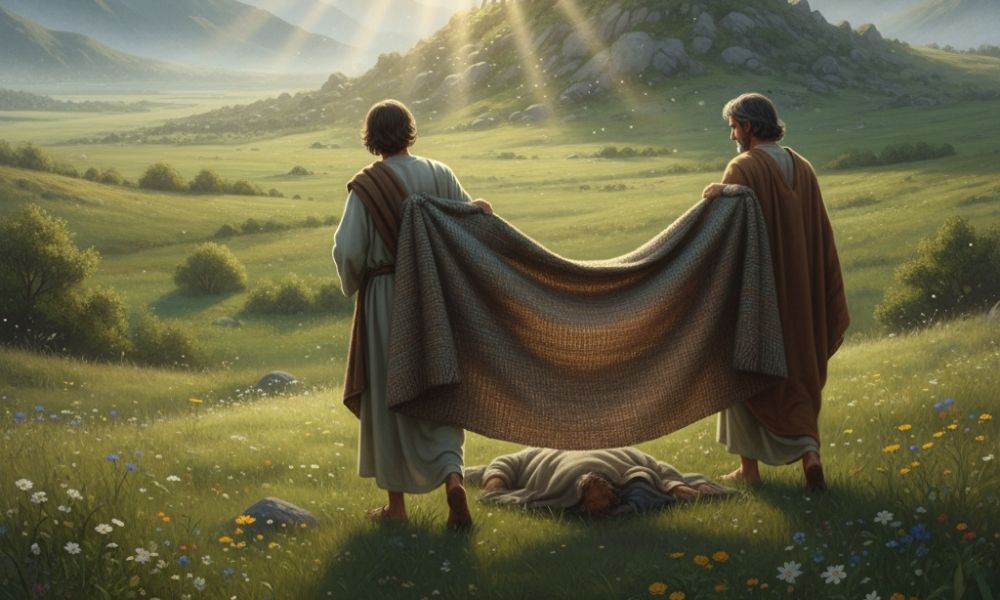
Jabesh-gilead was a city defined by a legacy of survival and fierce loyalty, best known for the valiant night raid to retrieve the bodies of King Saul and his sons from Philistine desecration.
