
The Book of Exodus
-

Exodus 40
On the first day of the new year, Moses sets up the Tabernacle exactly as commanded, and the glory of the Lord fills the tent so intensely that even Moses cannot enter, marking God’s permanent dwelling among His people.
-
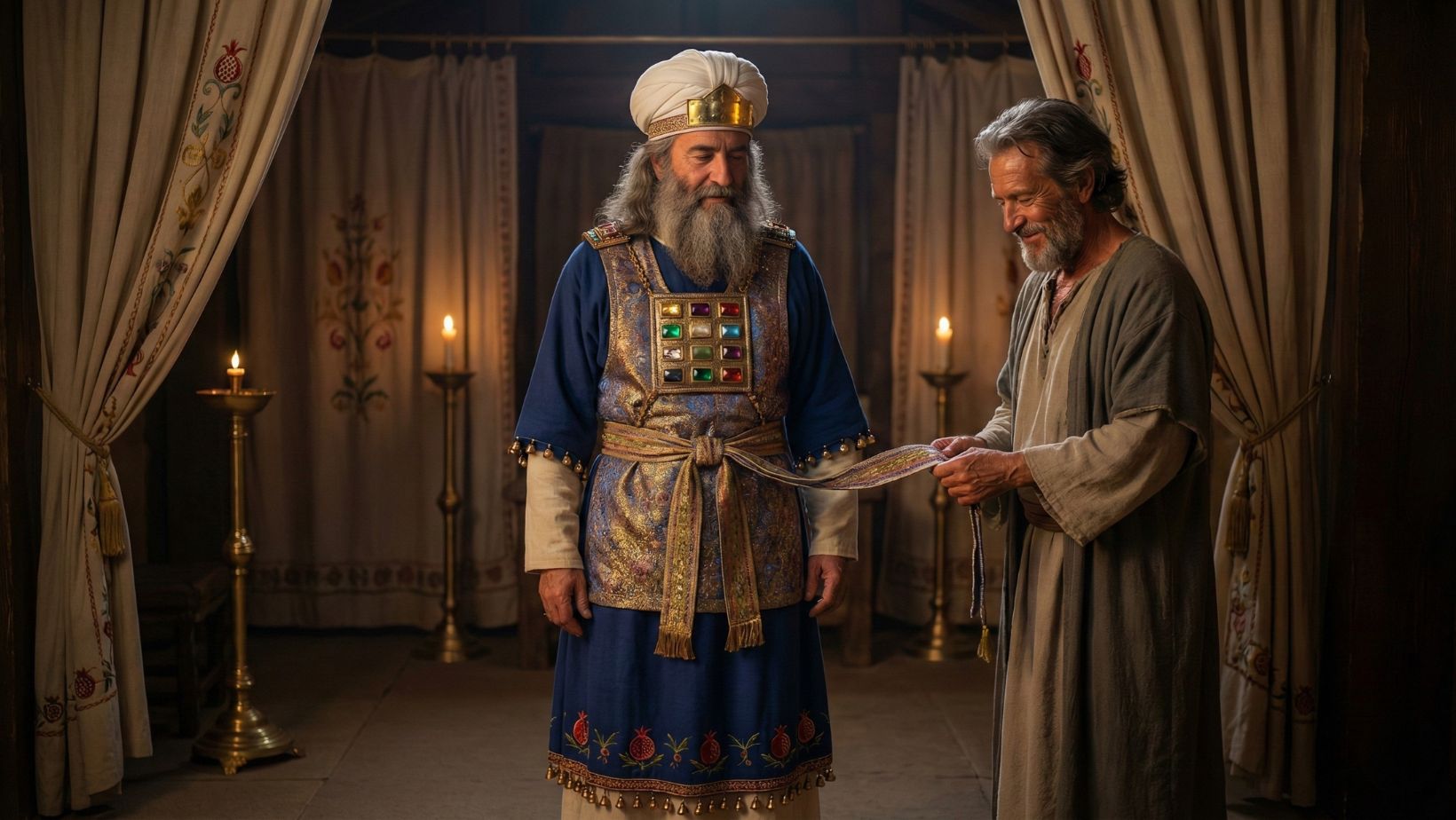
Exodus 39
The Israelites complete the exquisite priestly garments exactly as commanded, and Moses inspects the finished Tabernacle, pronouncing a blessing over the people for their faithful obedience.
-
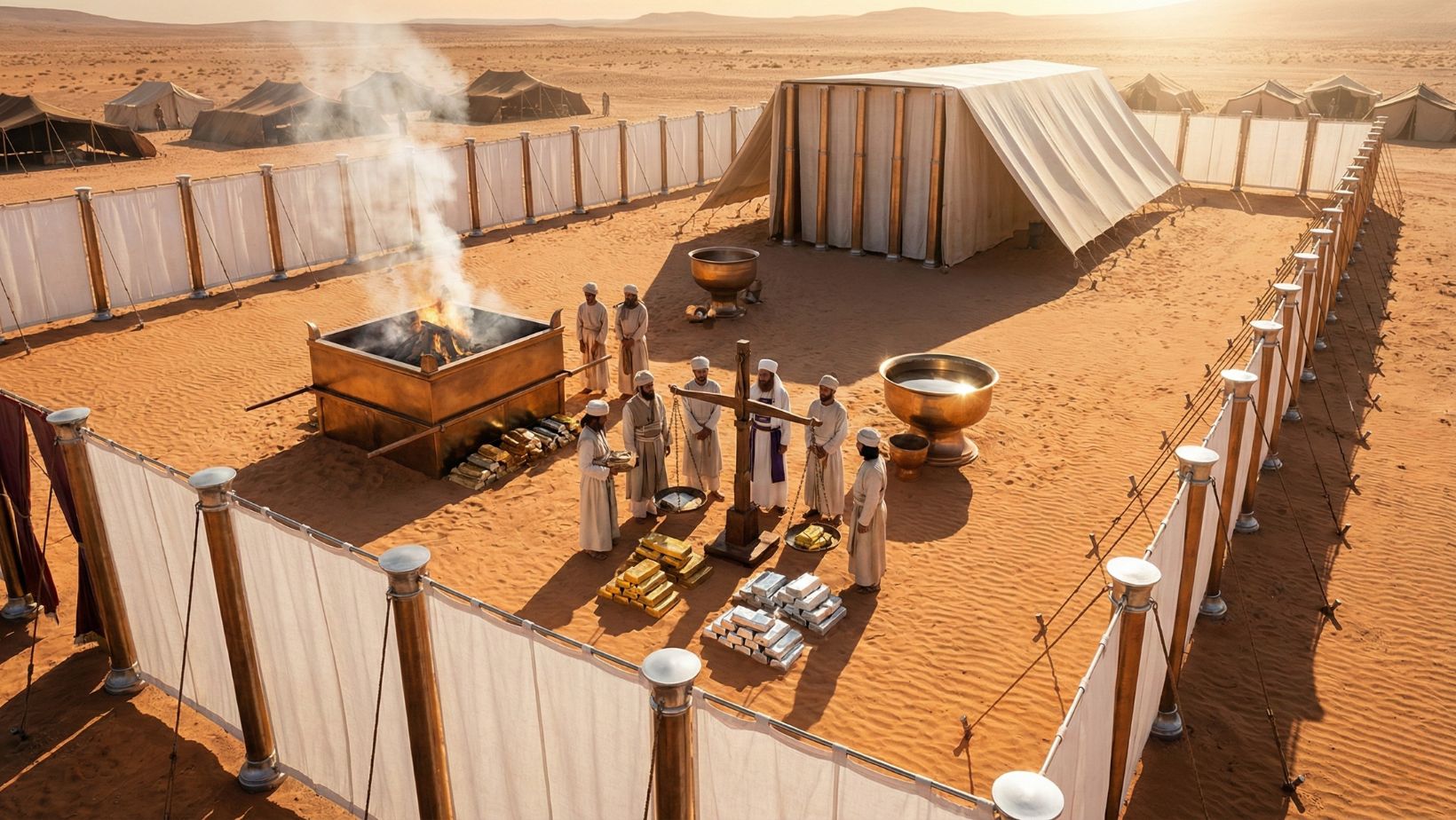
Exodus 38
Exodus 38 details the construction of the Bronze Altar, the Washbasin made from the mirrors of devoted women, and the courtyard walls, concluding with a rigorous accounting of the gold, silver, and bronze used in the project.
-
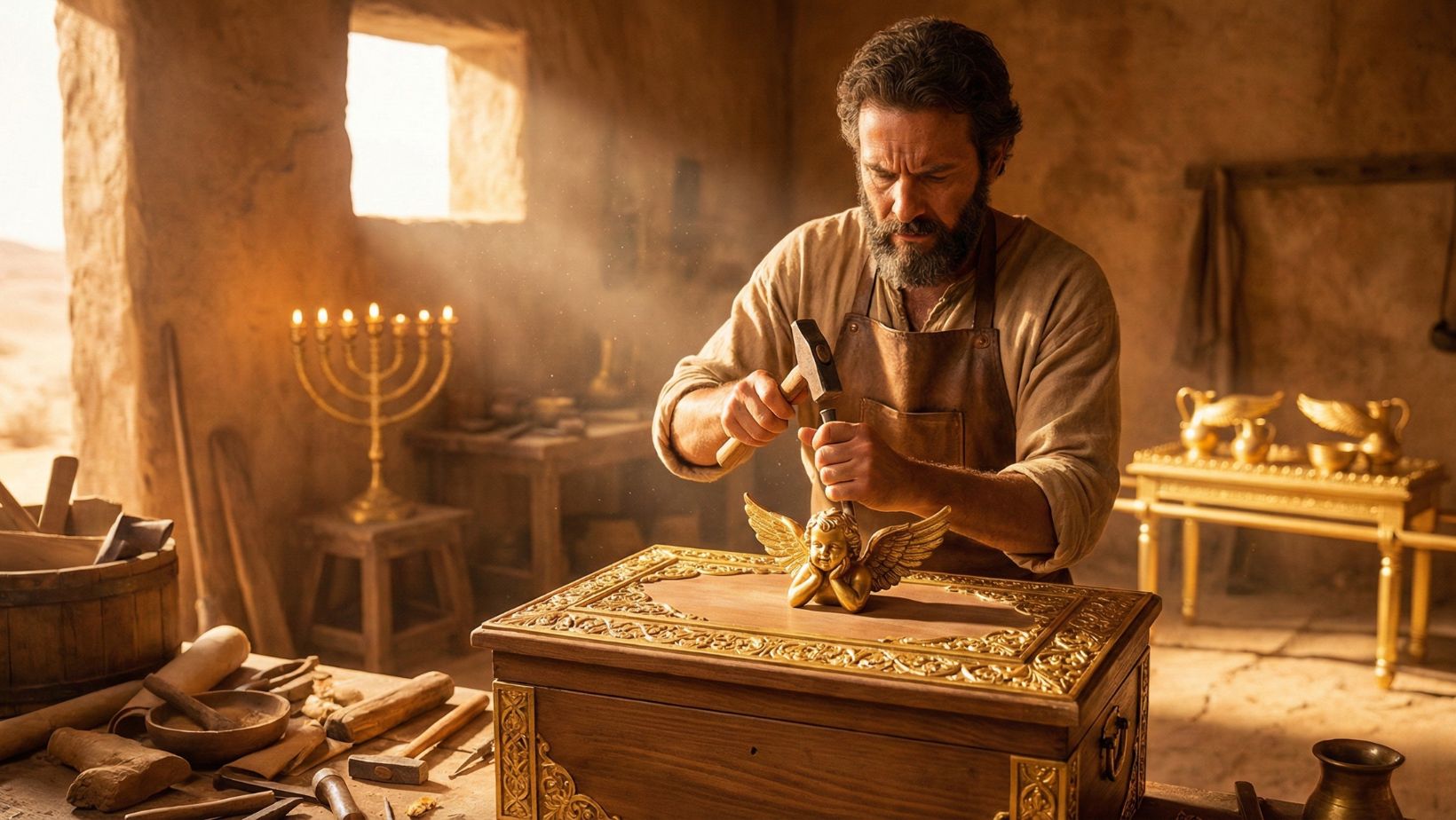
Exodus 37
Master craftsman Bezalel meticulously fashions the Tabernacle’s golden furniture—the Ark of the Covenant, the Table of Showbread, the Lampstand, and the Altar of Incense—creating a physical space for God’s presence, provision, and prayer.
-
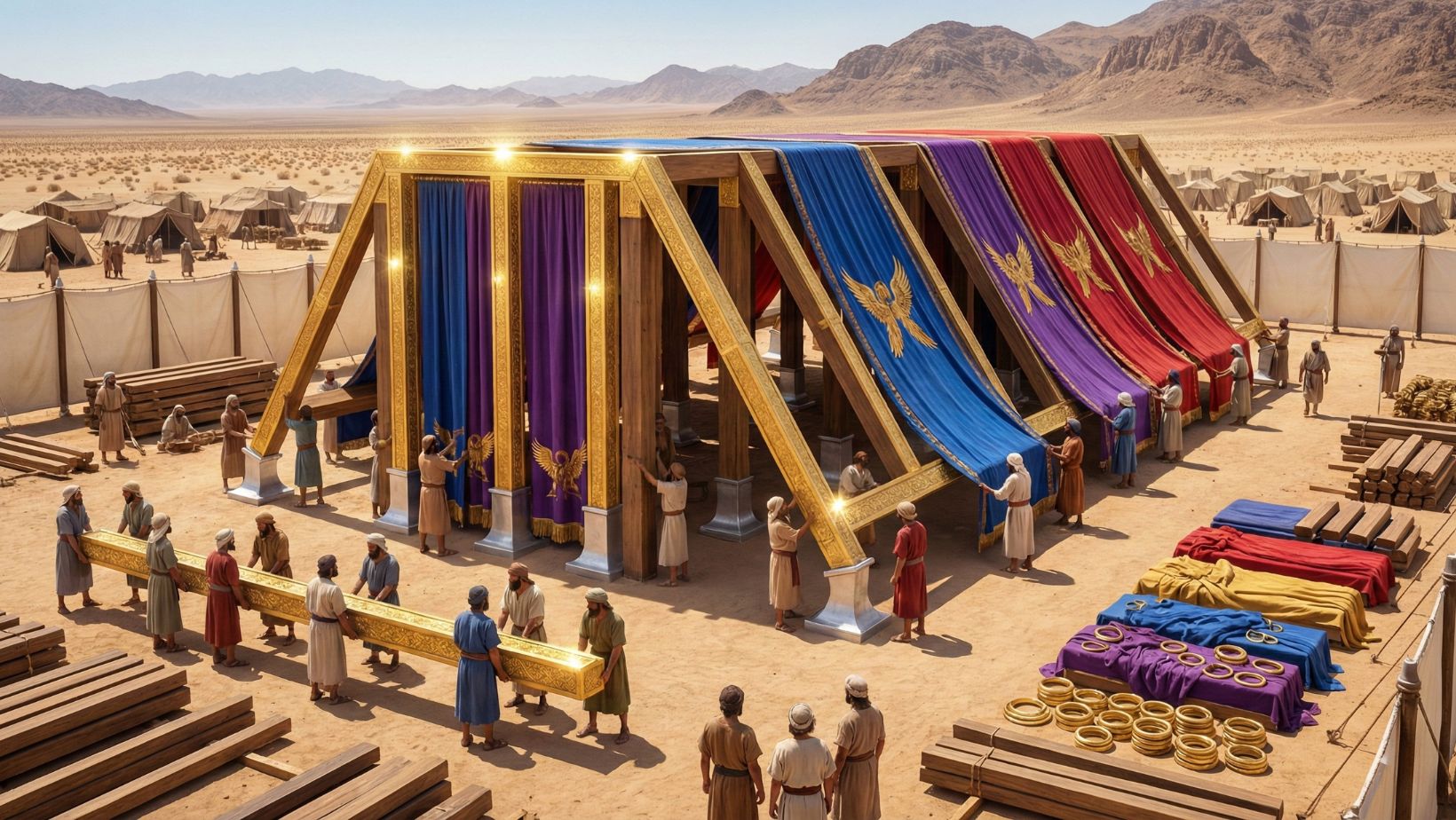
Exodus 36
Exodus 36 describes the overwhelming generosity of the people that provided a surplus of materials, followed by the expert construction of the Tabernacle’s curtains, protective coverings, and golden framework.
-
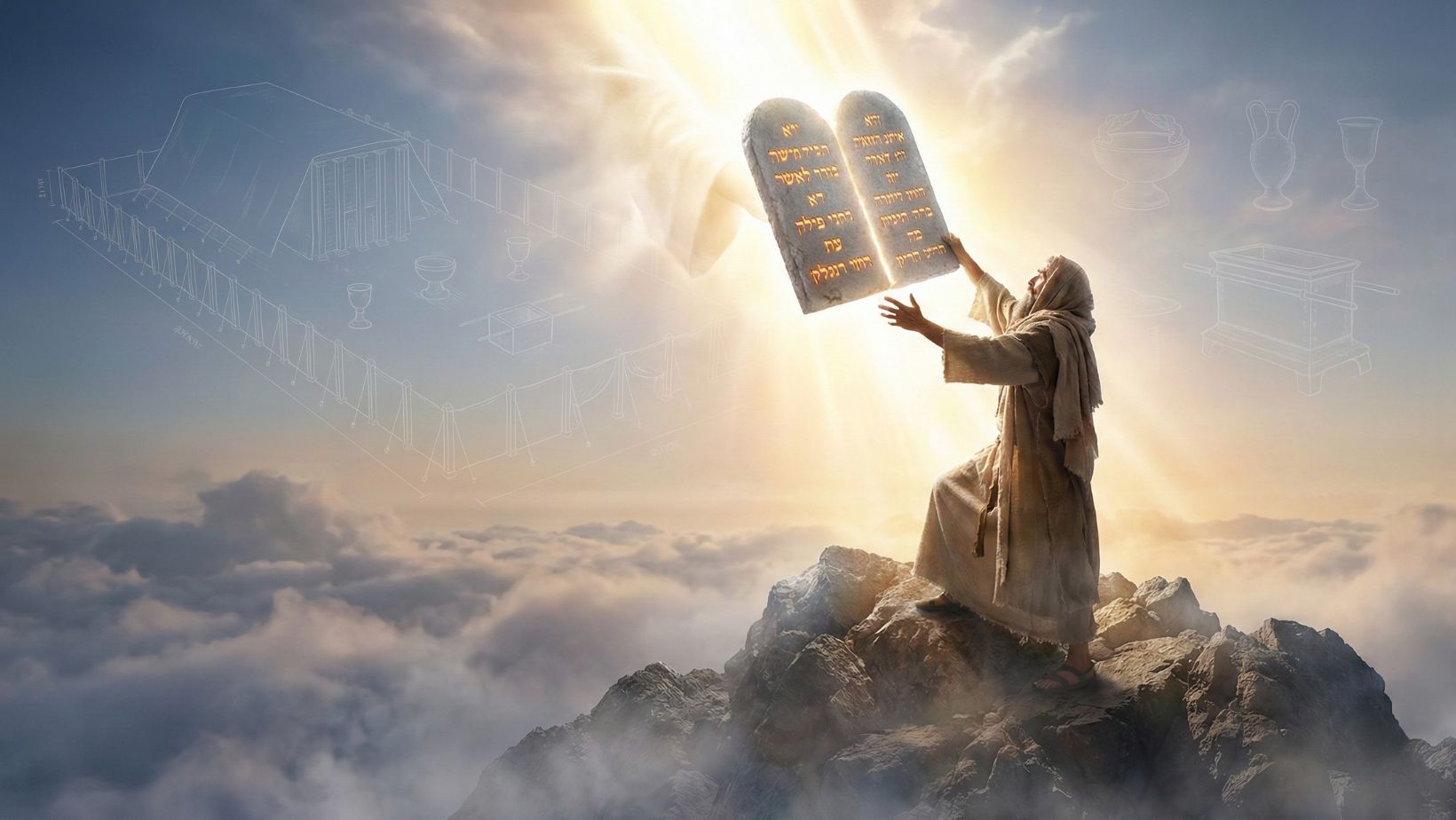
Exodus 31
God appoints Bezalel and Aholiab, filling them with His Spirit for the Tabernacle’s construction, reiterates the Sabbath as a sign of the covenant, and gives Moses the stone tablets written by His own hand.
-
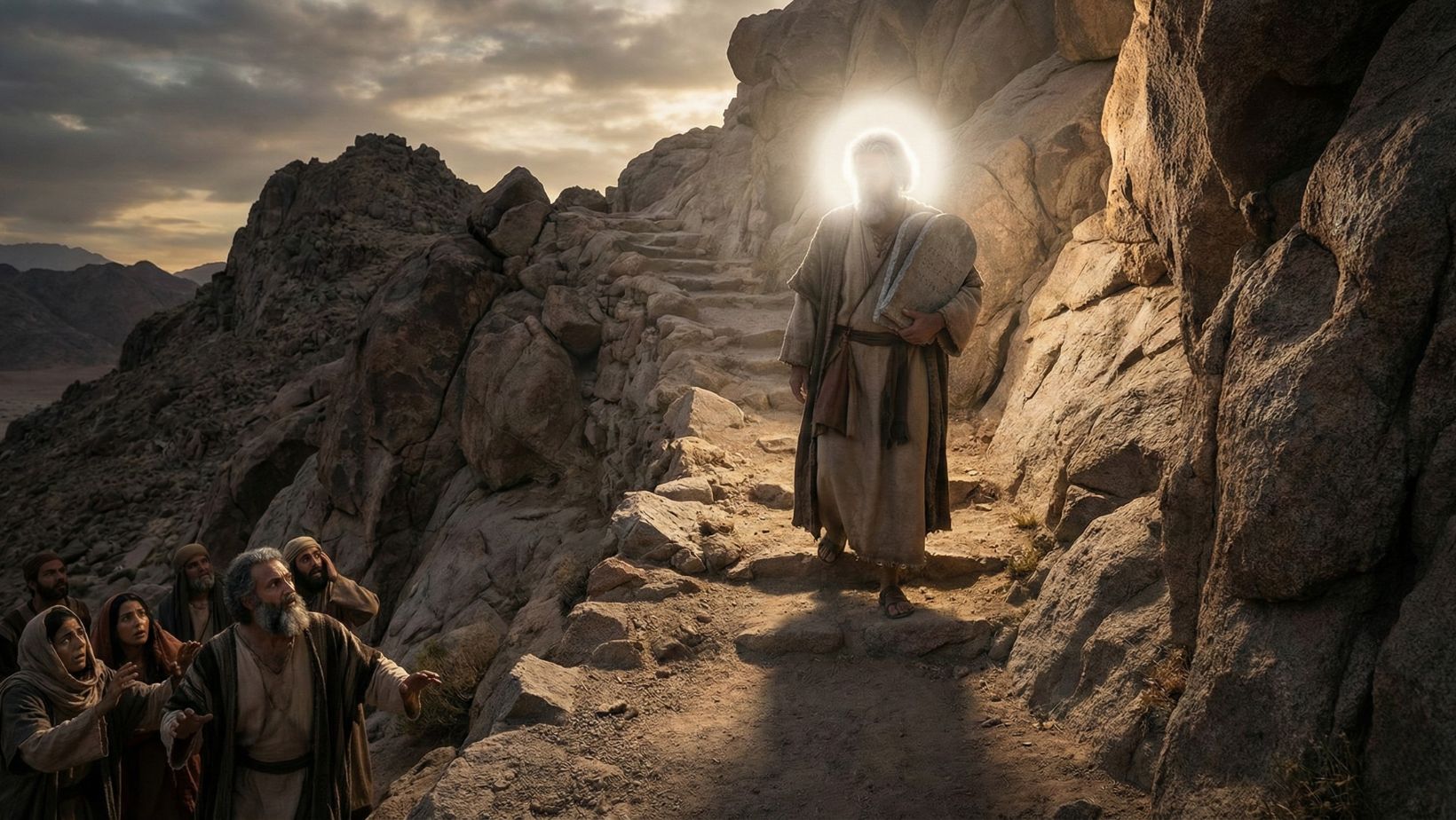
Exodus 34
Moses returns to Sinai to receive new tablets, hears God’s profound self-revelation of mercy and justice, renews the covenant through laws and festivals, and returns with a face radiating the divine glory.
-
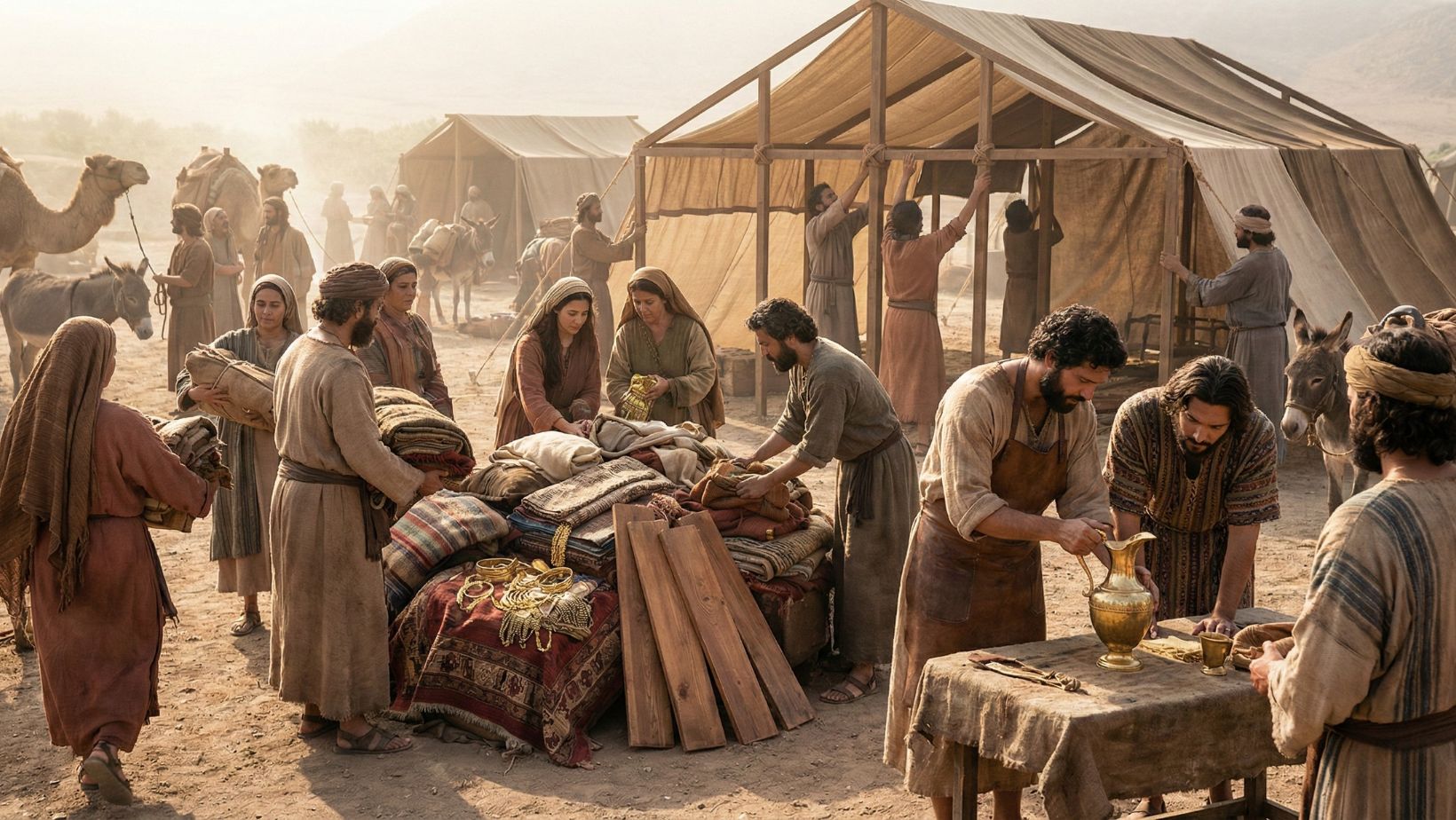
Exodus 35
Driven by willing hearts and filled with the Holy Spirit, the Israelites bring a massive freewill offering and use their diverse skills to begin the construction of the Tabernacle.
-
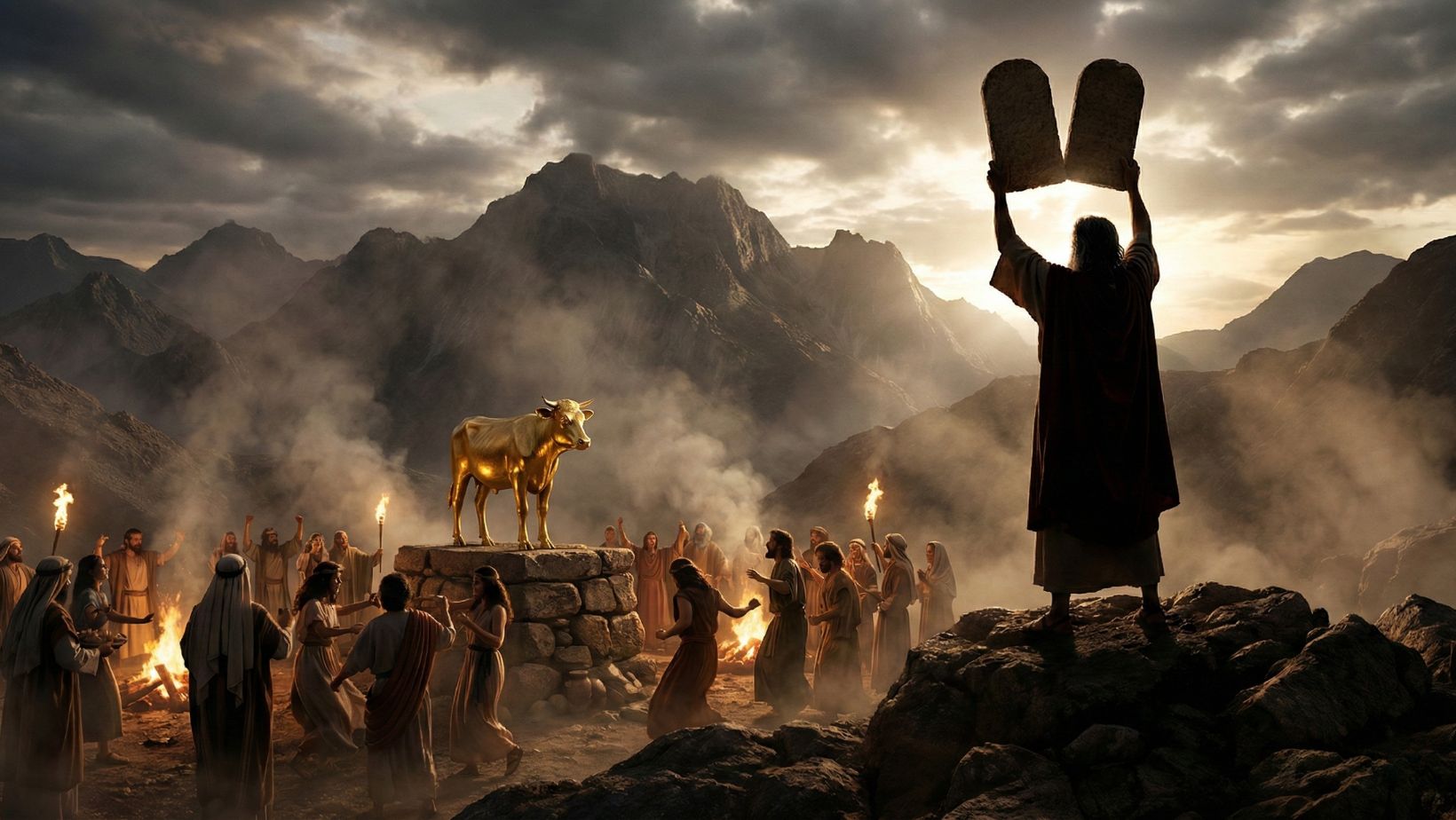
Exodus 32
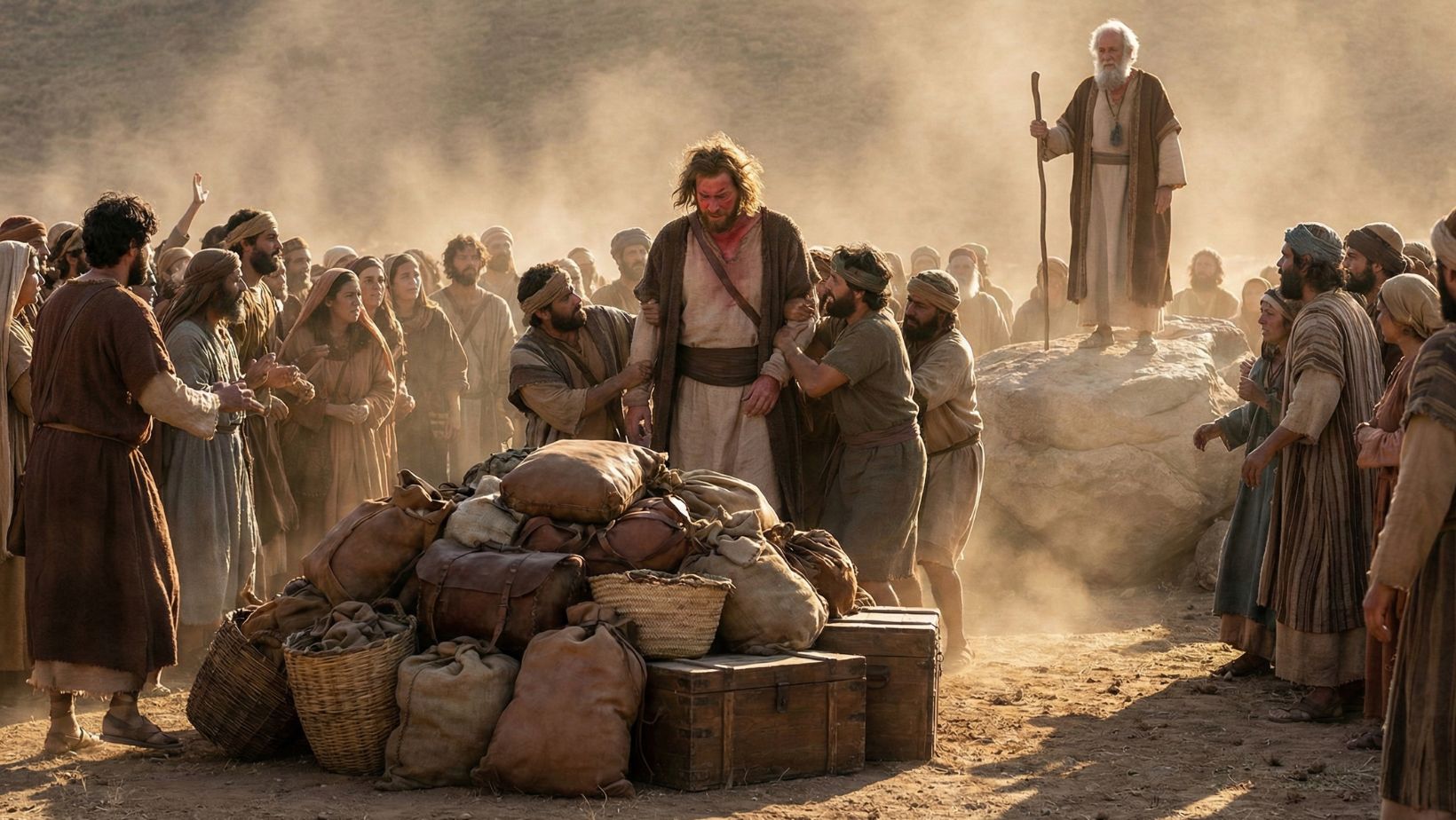
Exodus 32 presents one of the most tragic and pivotal turning points in Israel’s history: the Golden Calf incident. While Moses is on Mount Sinai receiving the stone tablets of the Covenant directly from God, the people below grow impatient and succumb to idolatry. They coerce Aaron into fashioning a physical representation of deity, leading…
-
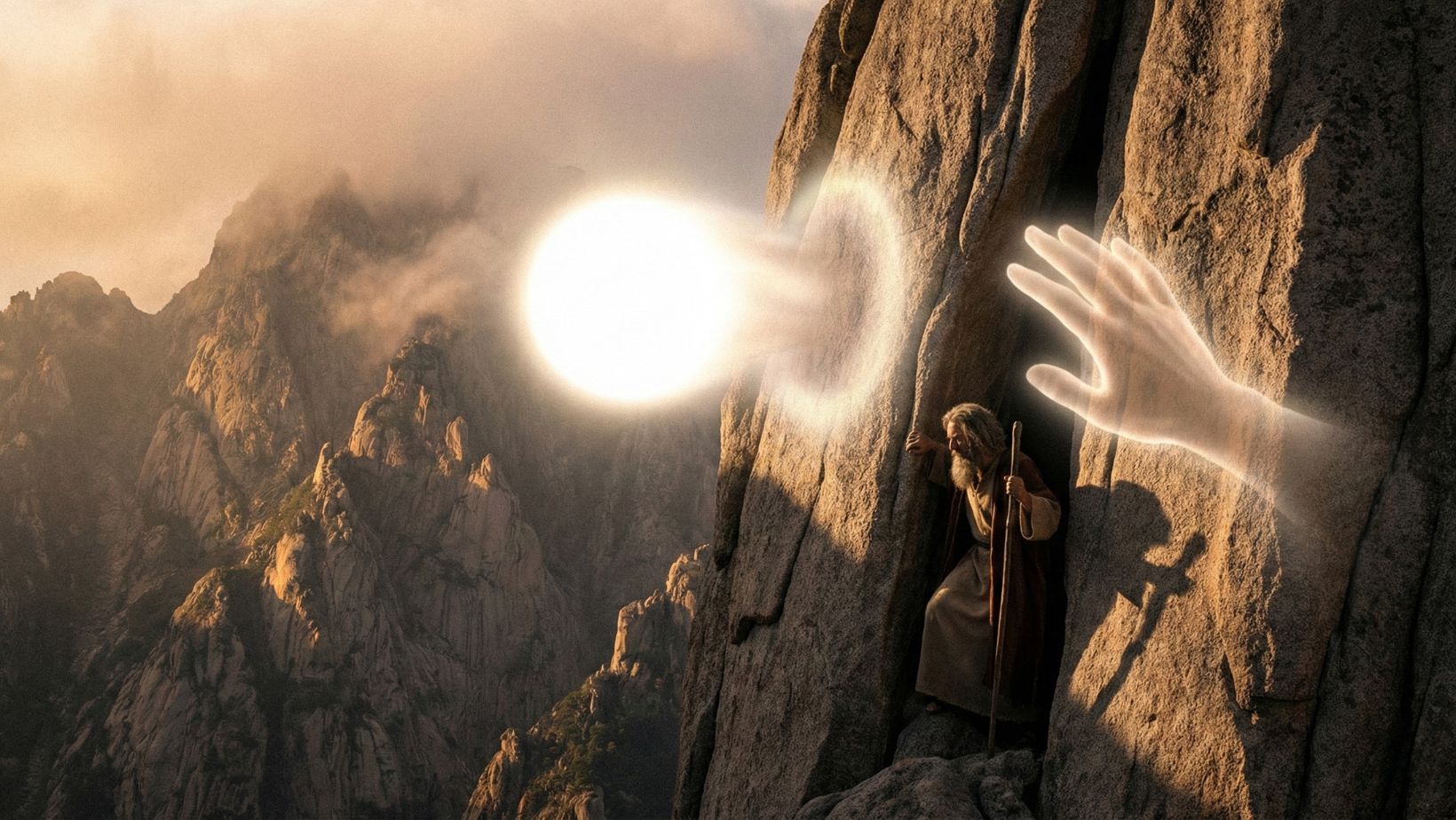
Exodus 33
After the Golden Calf sin, Moses successfully pleads for God’s continued presence among the people and receives a unique, shielded glimpse of God’s glory and goodness on the mountain.
Bible Characters

-
Jonathan
Jonathan was the valiant crown prince of Israel who chose loyalty to God’s anointed over his own ambition, becoming the Bible’s ultimate example of sacrificial friendship.
-
Michal
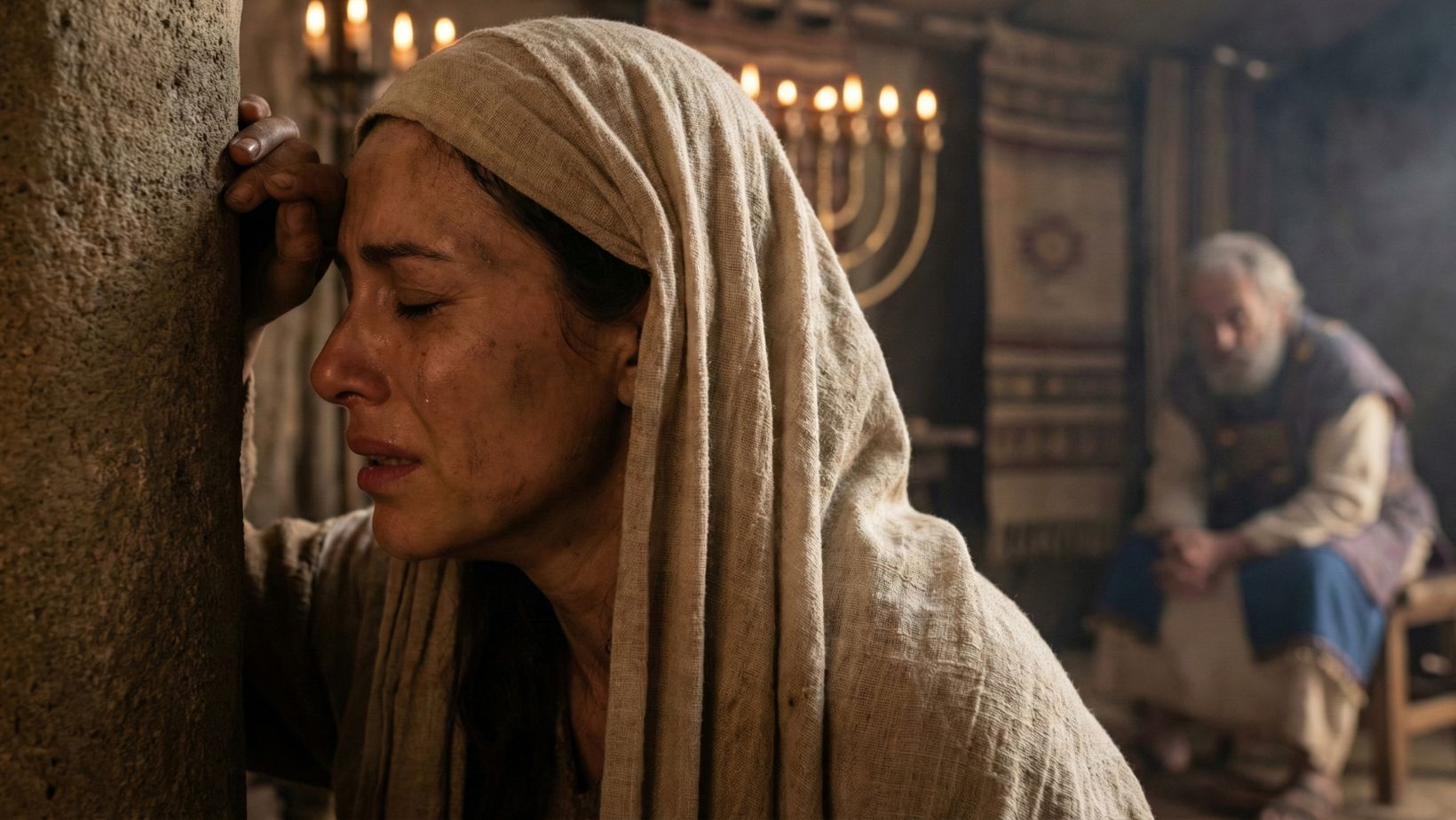
Michal was the daughter of King Saul who saved David’s life out of love but ultimately ended her life in barren isolation because she valued royal dignity over humble worship.
-
Abner
Abner was the powerful commander of Saul’s army who, after a long rivalry with David, sought to unite all Israel under David’s crown before being tragically assassinated by Joab.
Biblical Events
-
Jonathan
Jonathan was the valiant crown prince of Israel who chose loyalty to God’s anointed over his own ambition, becoming the Bible’s ultimate example of sacrificial friendship.
-
Michal
Michal was the daughter of King Saul who saved David’s life out of love but ultimately ended her life in barren isolation because she valued royal dignity over humble worship.
-
Abner
Abner was the powerful commander of Saul’s army who, after a long rivalry with David, sought to unite all Israel under David’s crown before being tragically assassinated by Joab.
Bible Locations

-
The City of David
The City of David is the ancient, fortified ridge where King David established his capital, serving as the historical seed from which Jerusalem grew and the spiritual center of the Israelite kingdom.
-
Mahanaim
Mahanaim, meaning “Two Camps,” was the historic fortress city east of the Jordan where Jacob met angels and where kings Ishbosheth and David found refuge during Israel’s greatest civil wars.
-
Jabesh-gilead
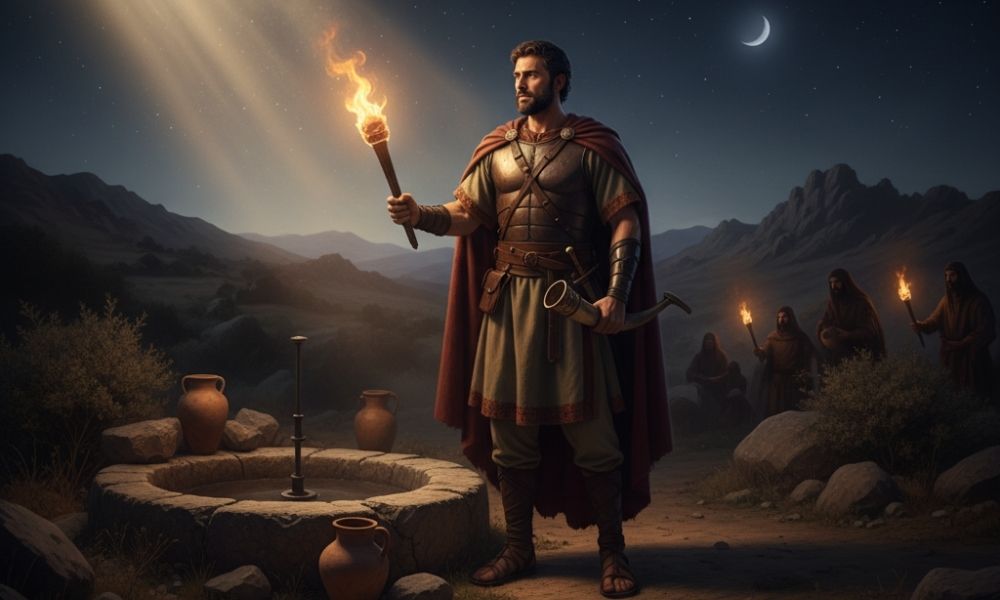
Jabesh-gilead was a city defined by a legacy of survival and fierce loyalty, best known for the valiant night raid to retrieve the bodies of King Saul and his sons from Philistine desecration.
