

The Book of Exodus
-
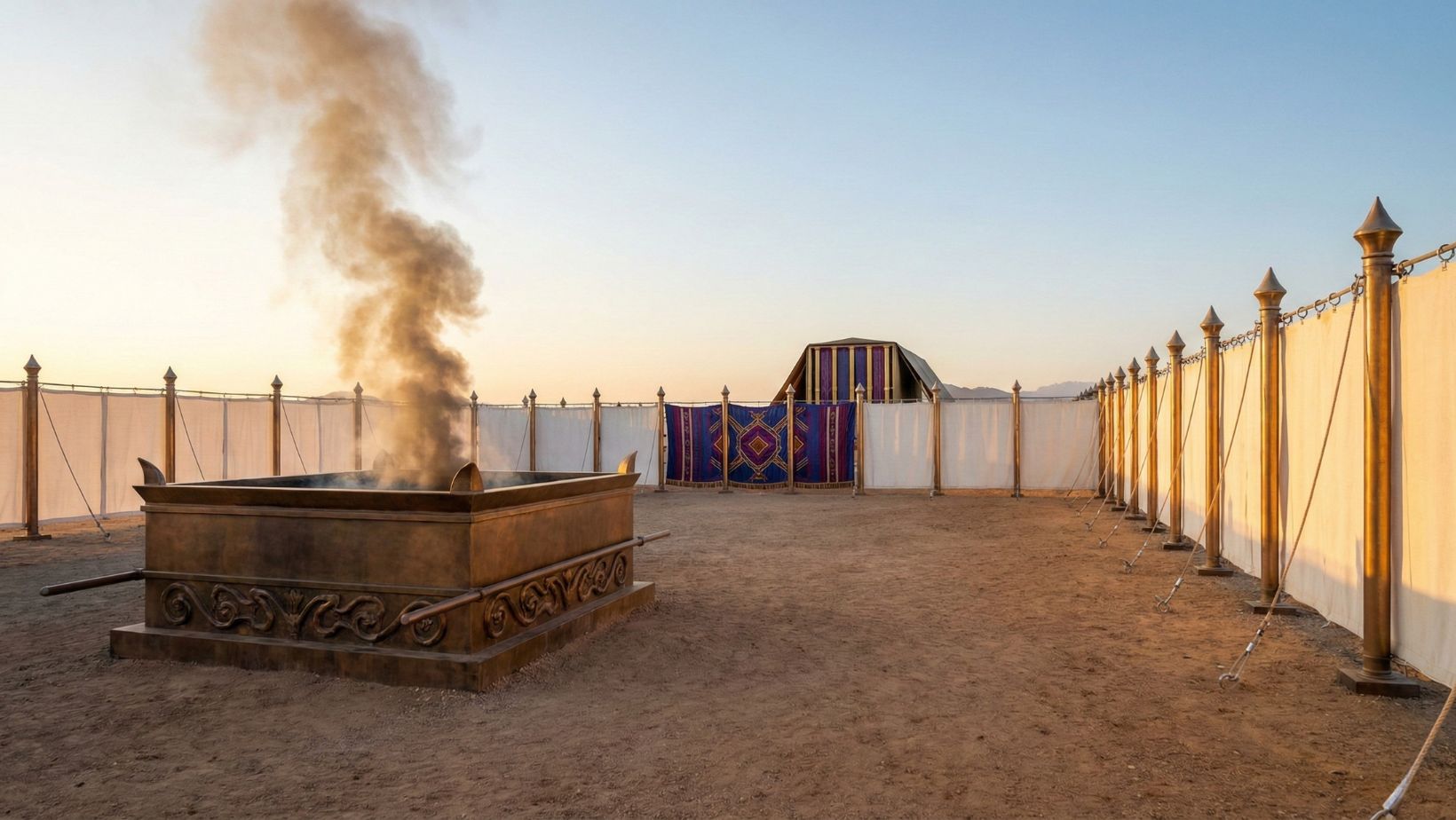
Exodus 27
Exodus 27 outlines the design for the Bronze Altar of sacrifice and the linen-walled outer courtyard, establishing the physical boundaries and the singular entrance required for sinful man to approach a Holy God.
-

Exodus 28
Exodus 28 details the intricate, symbolic garments for Aaron and his sons, establishing the High Priest as a beautifully clothed mediator who carries the names of Israel on his shoulders and heart before the Lord.
-
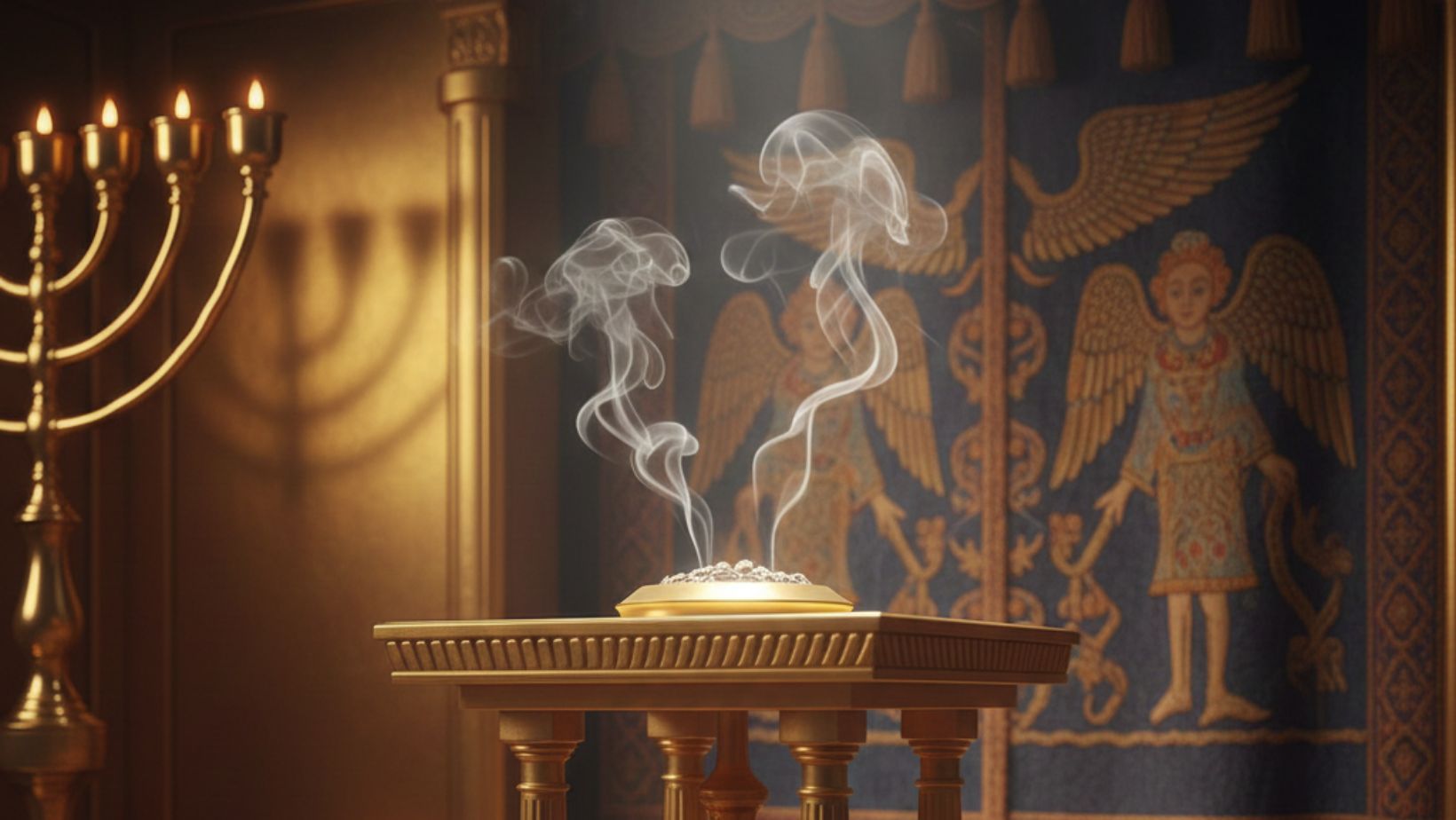
Exodus 30
God gives instructions for the Altar of Incense, the ransom tax for the census, the Bronze Basin for washing, and the exclusive recipes for the holy anointing oil and incense, establishing the protocols for prayer, purity, and consecration.
-
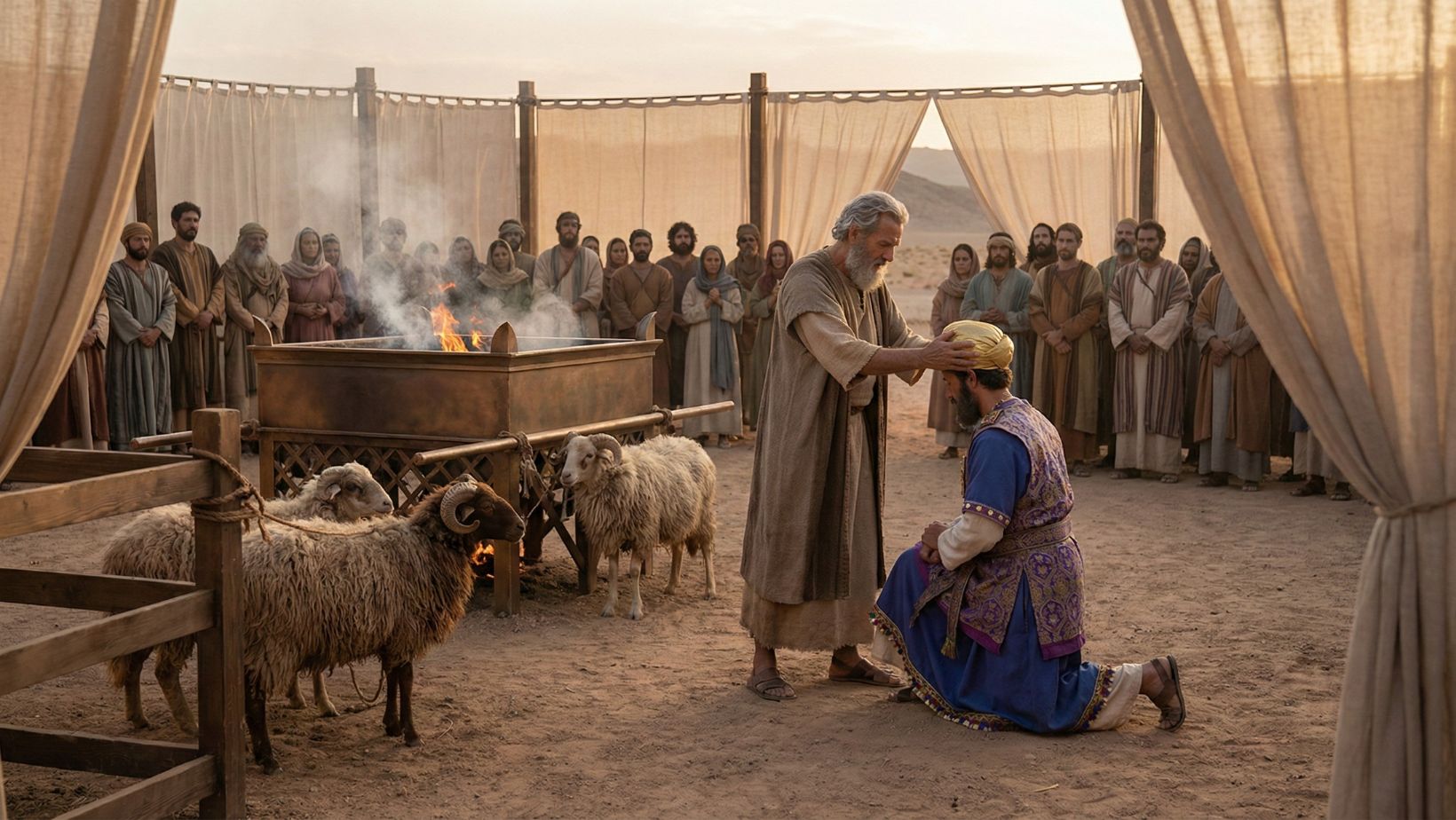
Exodus 29
Moses receives instructions for the seven-day consecration of Aaron and his sons, involving washing, anointing, and elaborate sacrifices, culminating in the establishment of daily offerings to ensure God’s abiding presence among Israel.
-
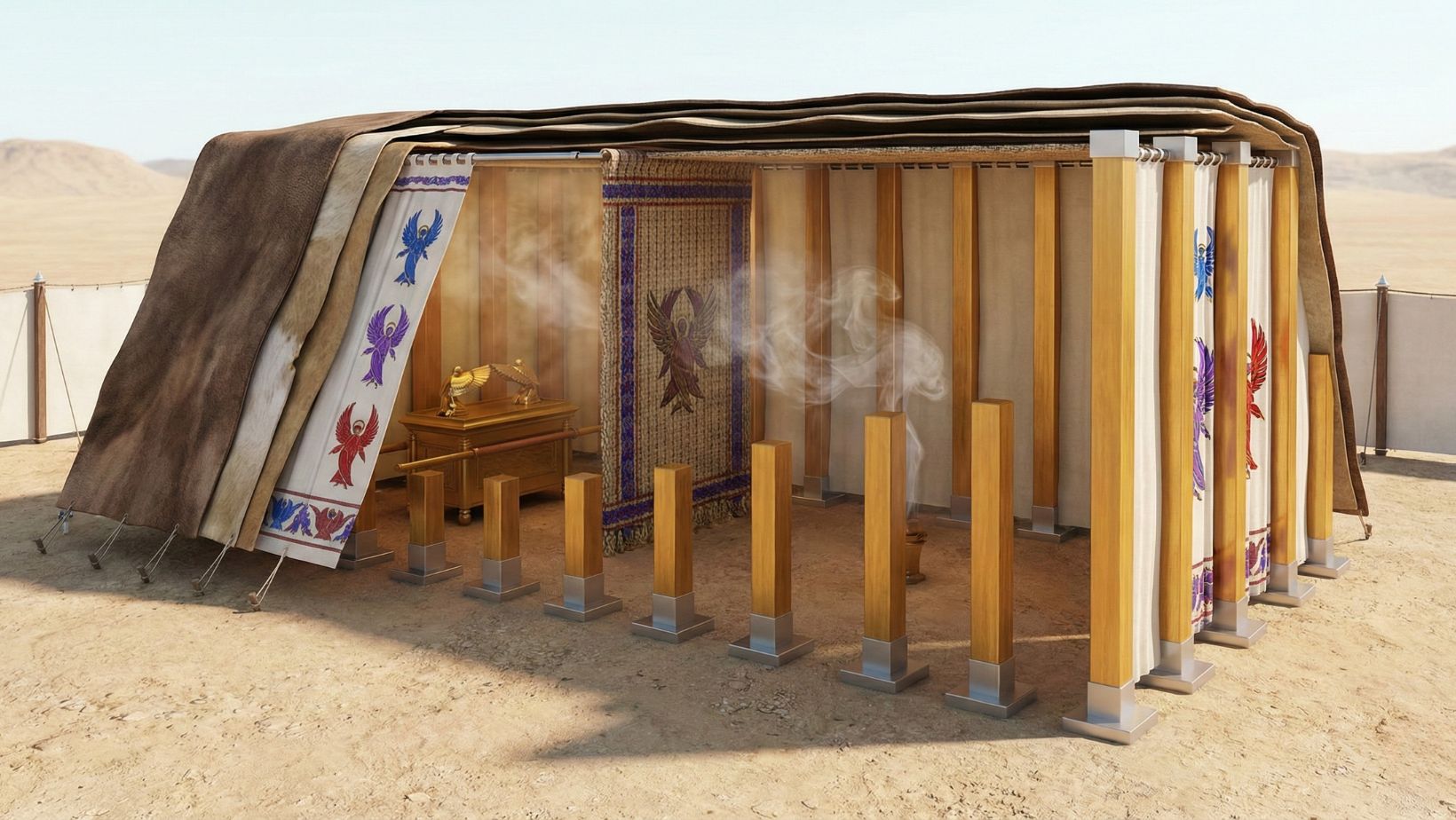
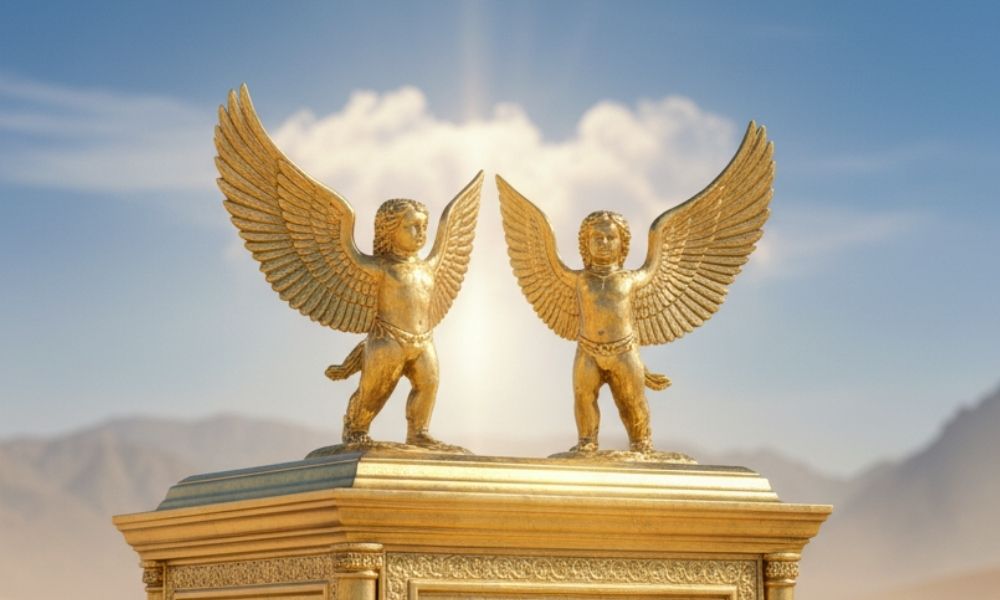
Exodus 26
God provides the blueprints for the Tabernacle’s structure, using linen curtains embroidered with cherubim, golden-overlaid frames on silver bases, and a heavy veil to separate the Holy Place from the dwelling of His glory.
-

Exodus 25
God instructs Moses to collect a willing offering and build a sanctuary featuring the Ark, the Table, and the Lampstand, according to a divine pattern, so that He may dwell among His people.
-

Exodus 24
Exodus 24 describes the formal ratification of the covenant through blood sacrifices and a meal in God’s presence, concluding with Moses entering the glory cloud for forty days to receive the stone tablets.
-
Exodus 23
Exodus 23 concludes the Book of the Covenant with laws ensuring civil justice and proper worship, followed by God’s promise to send His angel to lead Israel into Canaan, warning them against idolatry and affirming a gradual conquest.
-

Exodus 22
Exodus 22 establishes laws for restitution, property rights, and social justice, emphasizing that a holy people must protect the vulnerable and maintain absolute loyalty to God.
-
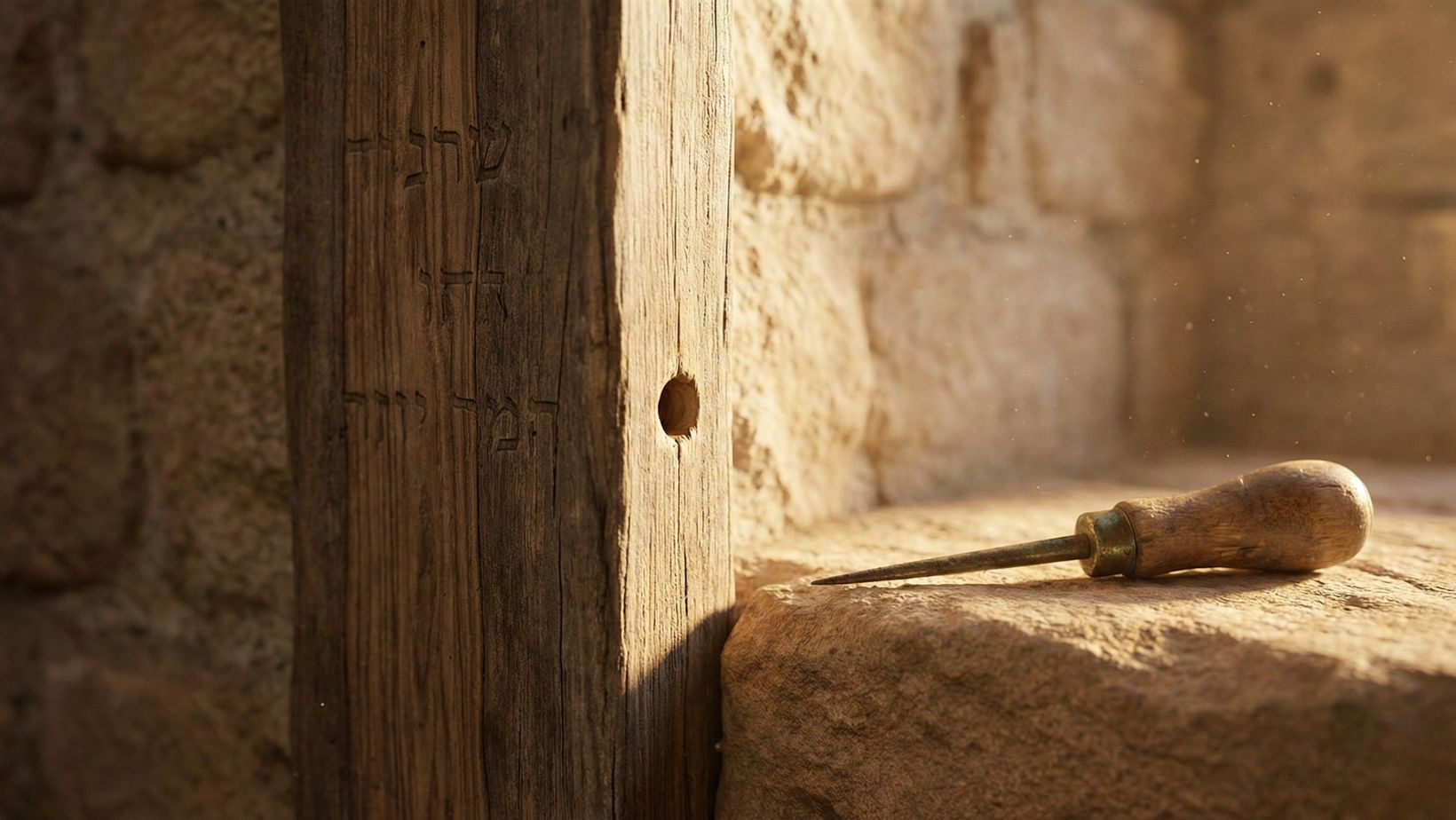
Exodus 21
Exodus 21 translates the moral high ground of the Ten Commandments into civil laws, establishing protections for servants, defining penalties for violence, and holding individuals accountable for negligence and animal behavior.
Bible Characters

-
Jonathan
Jonathan was the valiant crown prince of Israel who chose loyalty to God’s anointed over his own ambition, becoming the Bible’s ultimate example of sacrificial friendship.
-
Michal
Michal was the daughter of King Saul who saved David’s life out of love but ultimately ended her life in barren isolation because she valued royal dignity over humble worship.
-
Abner
Abner was the powerful commander of Saul’s army who, after a long rivalry with David, sought to unite all Israel under David’s crown before being tragically assassinated by Joab.
Biblical Events

-
Jonathan
Jonathan was the valiant crown prince of Israel who chose loyalty to God’s anointed over his own ambition, becoming the Bible’s ultimate example of sacrificial friendship.
-
Michal
Michal was the daughter of King Saul who saved David’s life out of love but ultimately ended her life in barren isolation because she valued royal dignity over humble worship.
-
Abner
Abner was the powerful commander of Saul’s army who, after a long rivalry with David, sought to unite all Israel under David’s crown before being tragically assassinated by Joab.
Bible Locations

-
The City of David
The City of David is the ancient, fortified ridge where King David established his capital, serving as the historical seed from which Jerusalem grew and the spiritual center of the Israelite kingdom.
-
Mahanaim
Mahanaim, meaning “Two Camps,” was the historic fortress city east of the Jordan where Jacob met angels and where kings Ishbosheth and David found refuge during Israel’s greatest civil wars.
-
Jabesh-gilead
Jabesh-gilead was a city defined by a legacy of survival and fierce loyalty, best known for the valiant night raid to retrieve the bodies of King Saul and his sons from Philistine desecration.
