

The Book of Exodus
-
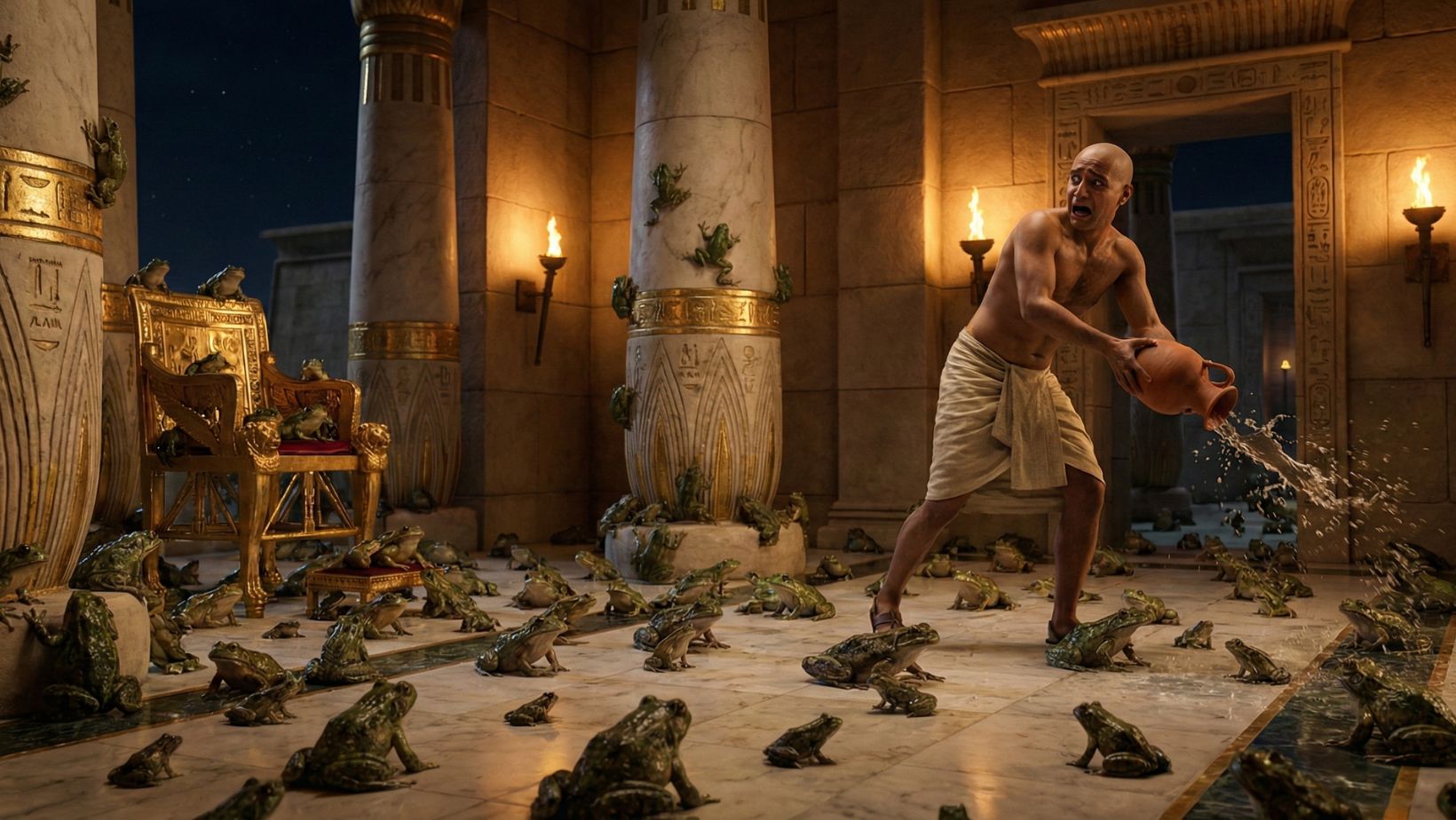
Exodus 8
God escalates the pressure on Egypt with plagues of frogs, gnats, and flies, causing the magicians to concede defeat and God to supernaturally distinguish Goshen from the rest of Egypt, yet Pharaoh remains obstinate.
-
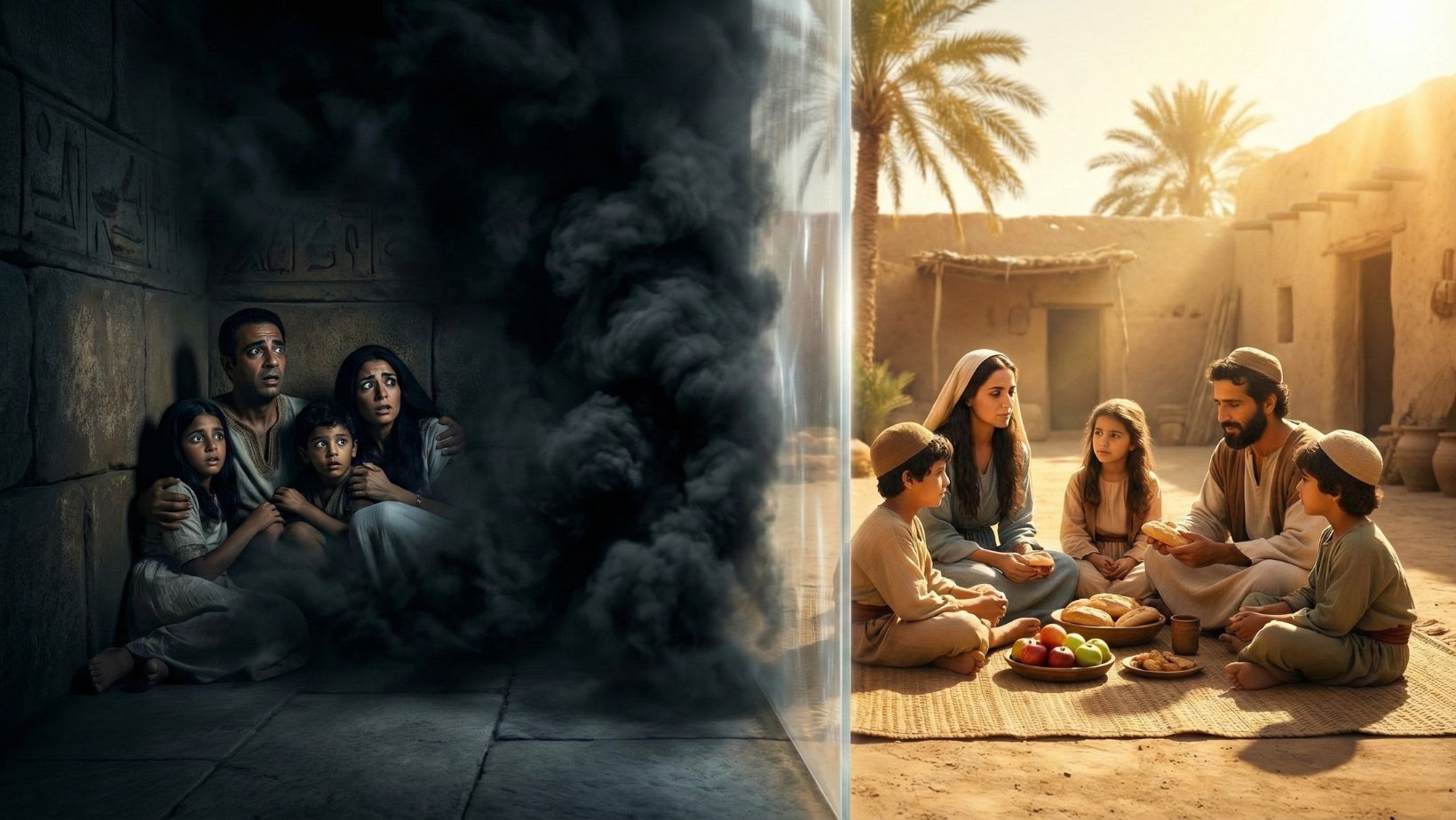
Exodus 10
Egypt is devastated by locusts and then plunged into three days of palpable darkness while Israel has light; despite his officials’ pleas and his own terrifying realization of defeat, Pharaoh refuses to release Israel unconditionally, leading to a final severance of relations with Moses.
-
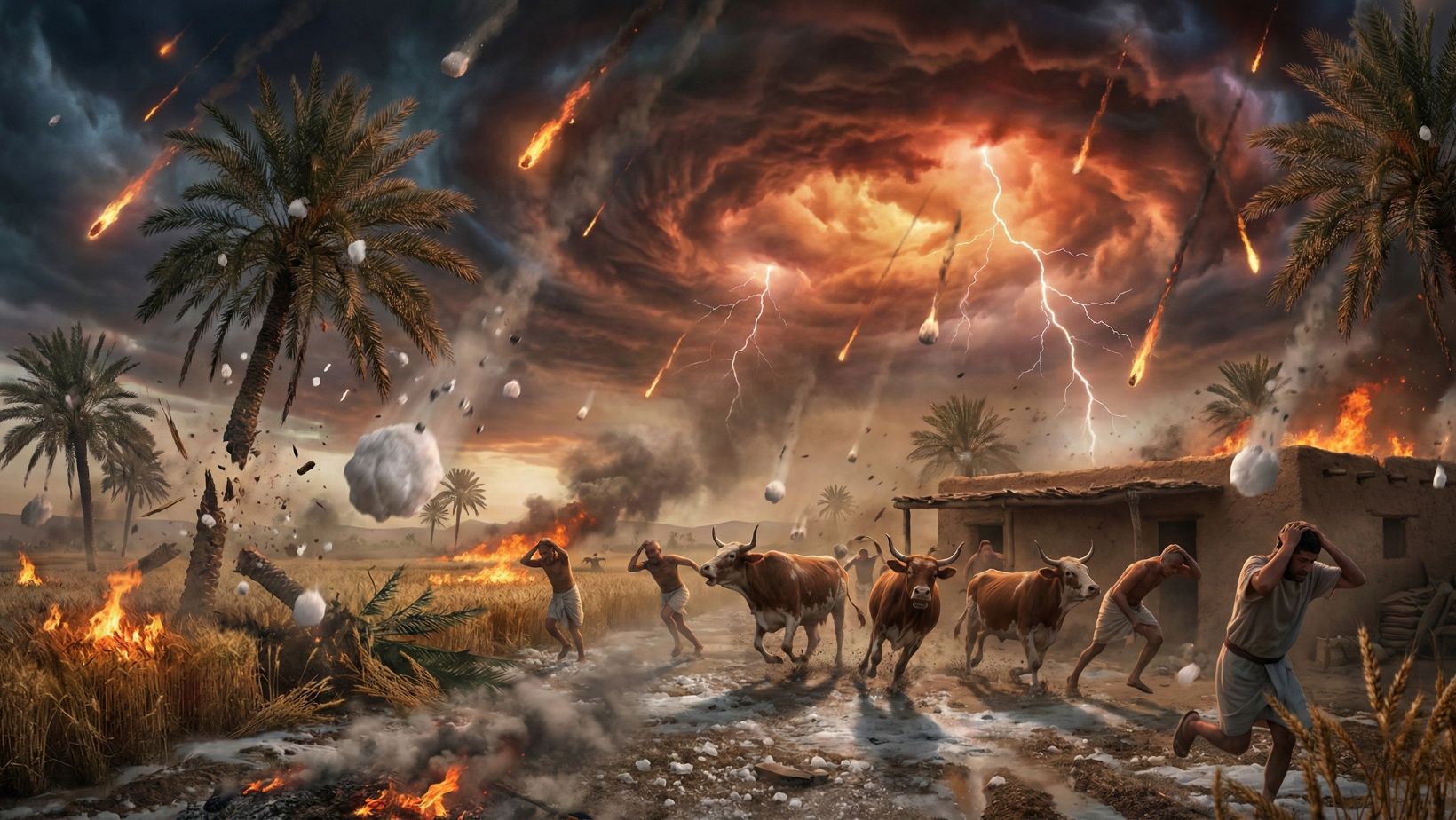
Exodus 9
God unleashes severe plagues on livestock, health (boils), and nature (hail), marking the first time He actively hardens Pharaoh’s heart while simultaneously offering mercy to Egyptians who heed His warning.
-
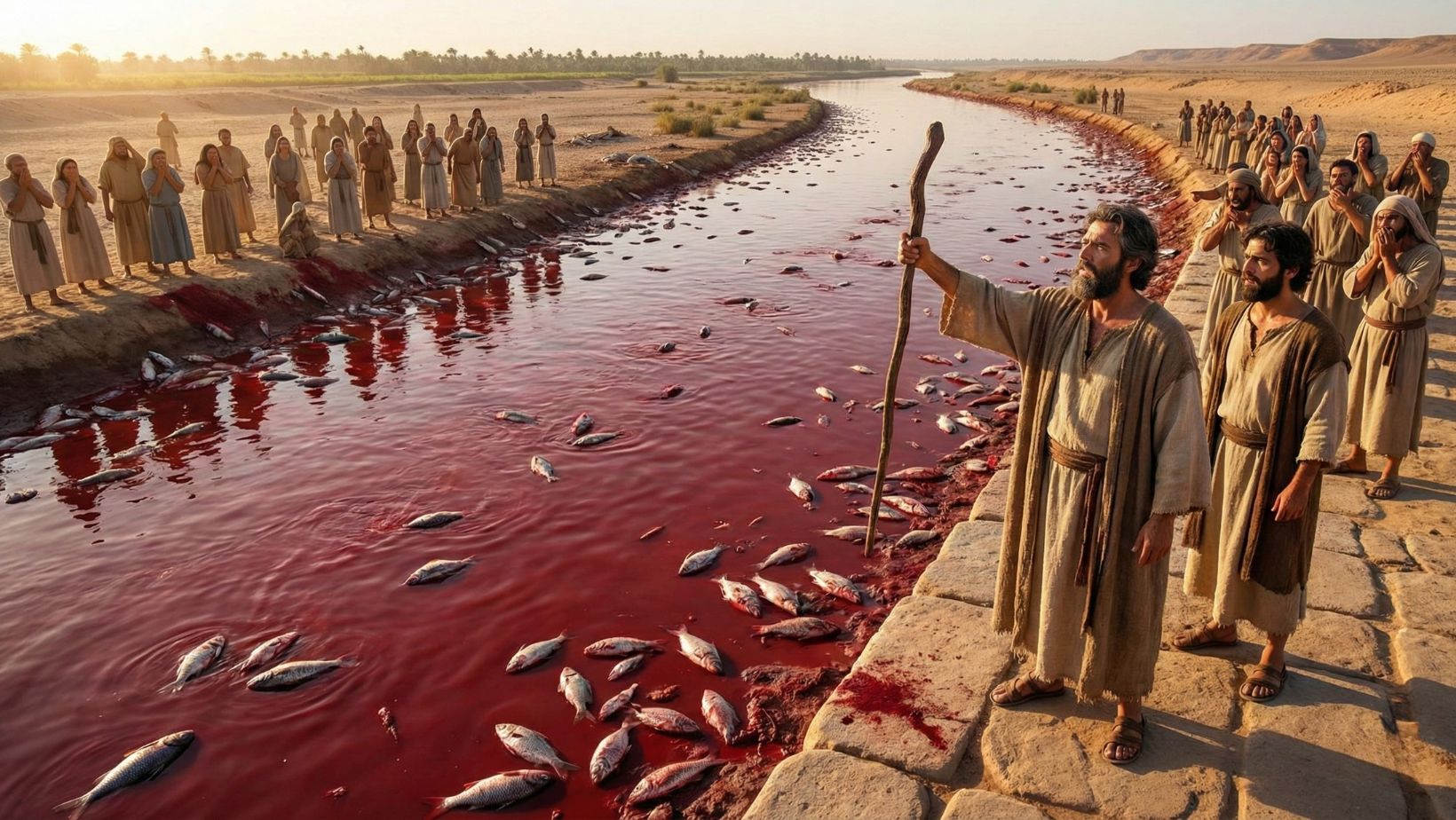
Exodus 7
Moses and Aaron confront Pharaoh with divine authority, resulting in a miraculous contest of staffs and the turning of the Nile to blood, yet Pharaoh remains obstinate despite the devastation of Egypt’s water source.
-
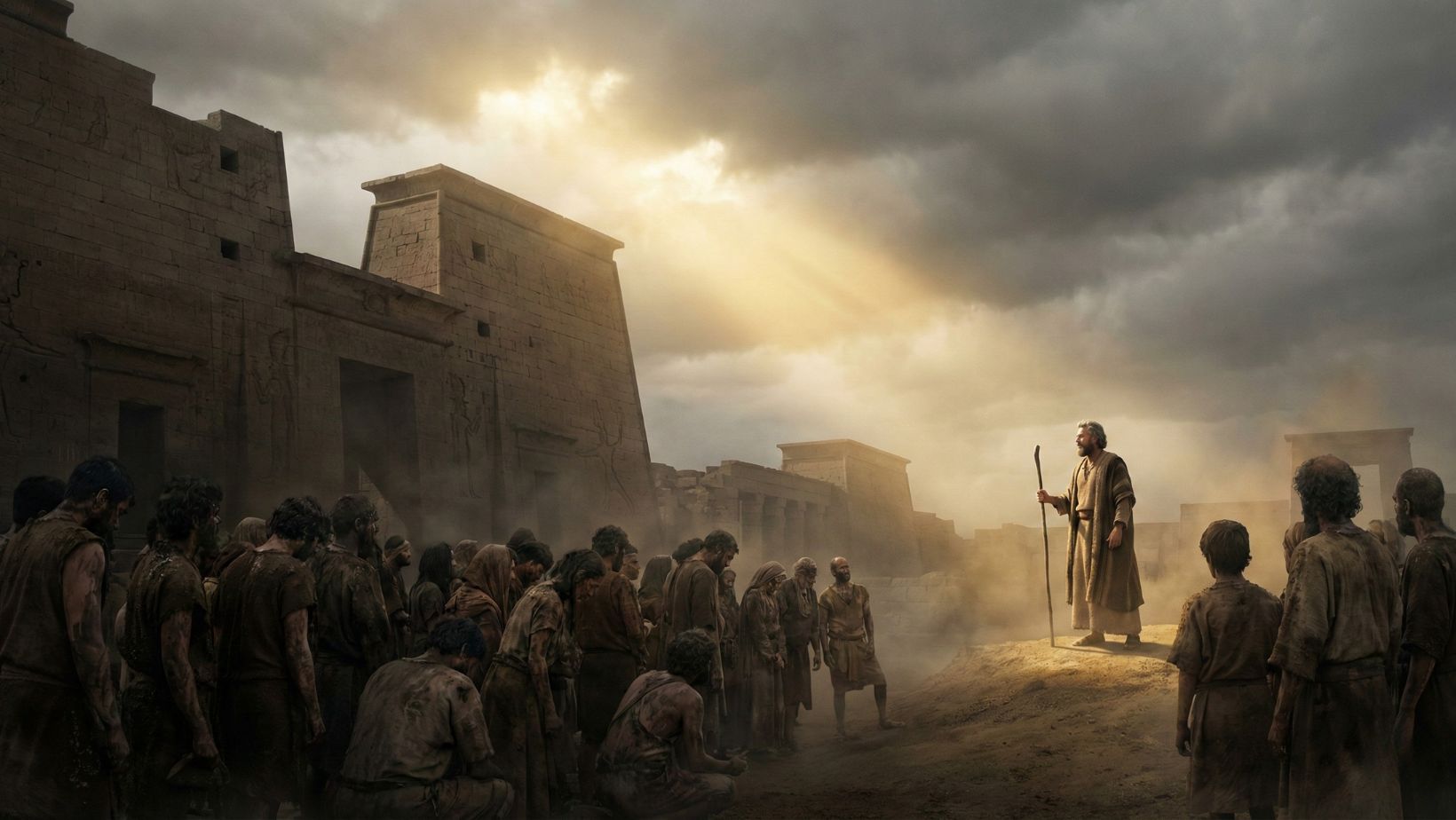
Exodus 6
God reaffirms His covenant commitment to Israel by revealing His name, Yahweh, and promising total deliverance, while the text establishes the priestly lineage of Moses and Aaron to authorize their mission.
-
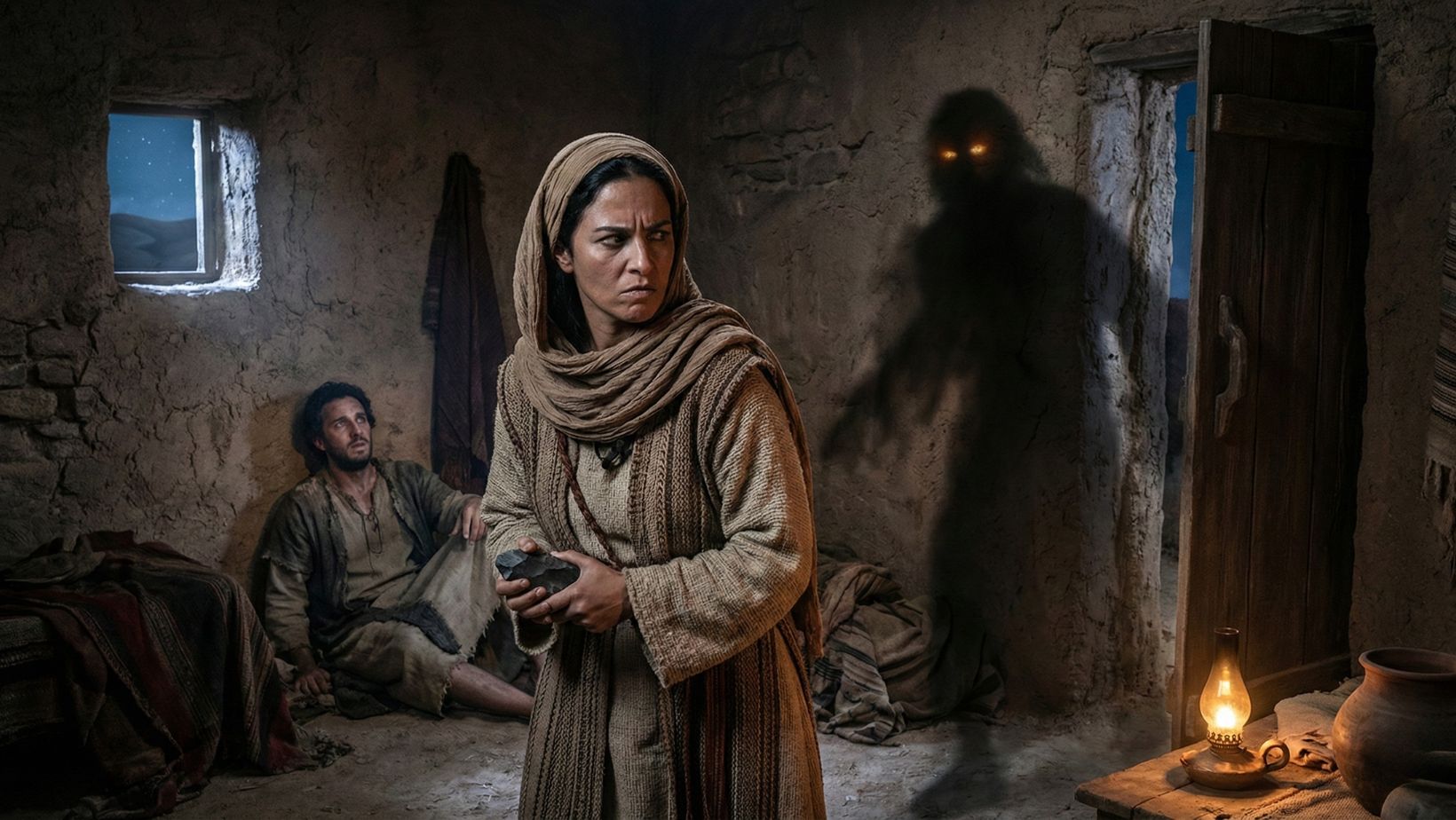
Exodus 4
God equips a reluctant Moses with three miraculous signs and appoints Aaron as his spokesman; after a terrifying encounter regarding his son’s circumcision, Moses returns to Egypt, unites with Aaron, and convinces the elders of Israel that God has come to rescue them.
-
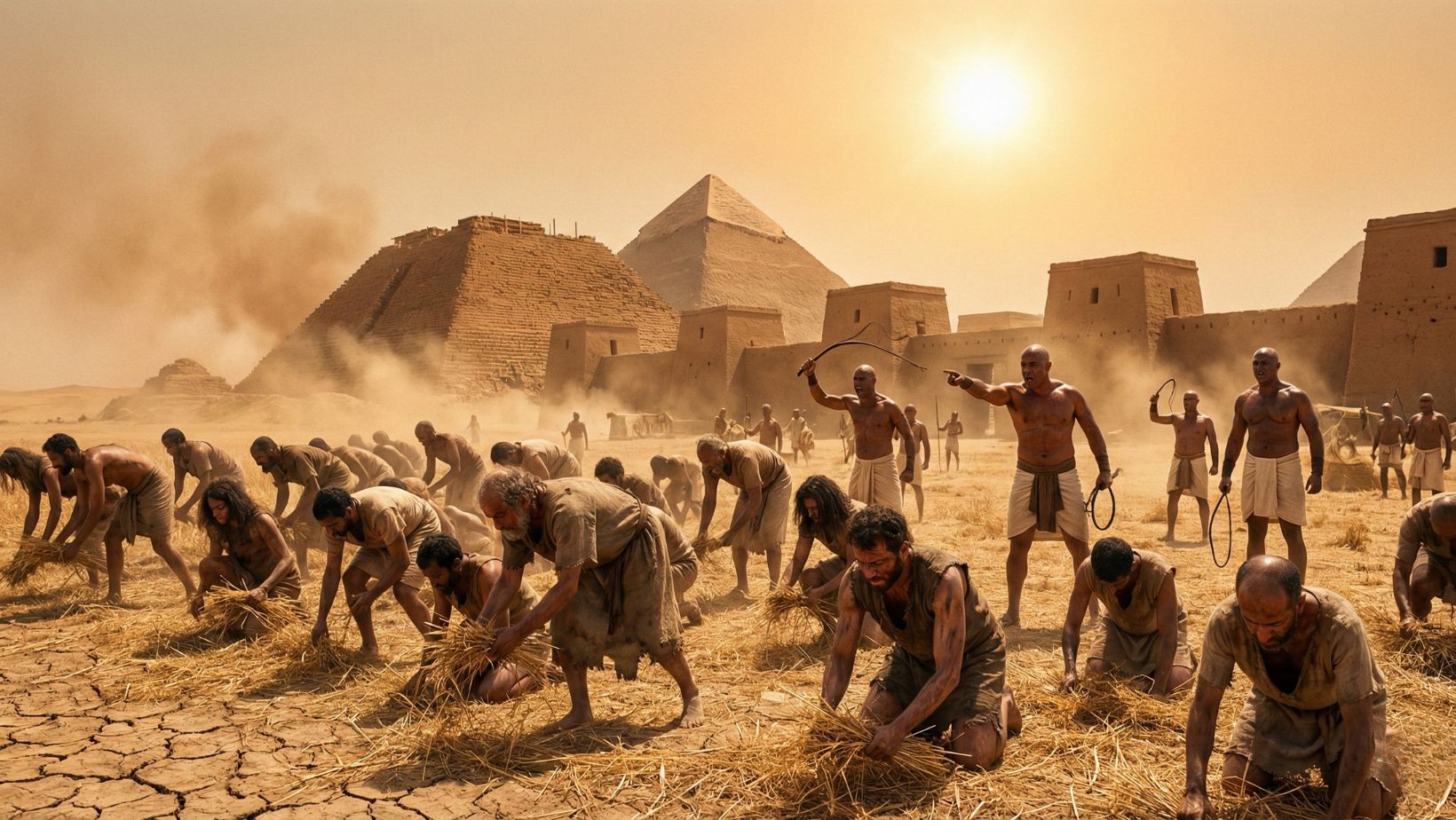
Exodus 5
Moses and Aaron’s initial demand for freedom is met with scorn by Pharaoh, who retaliates by forcing the Israelites to gather their own straw for bricks, leading the demoralized people to turn against Moses and Moses to question God.
-
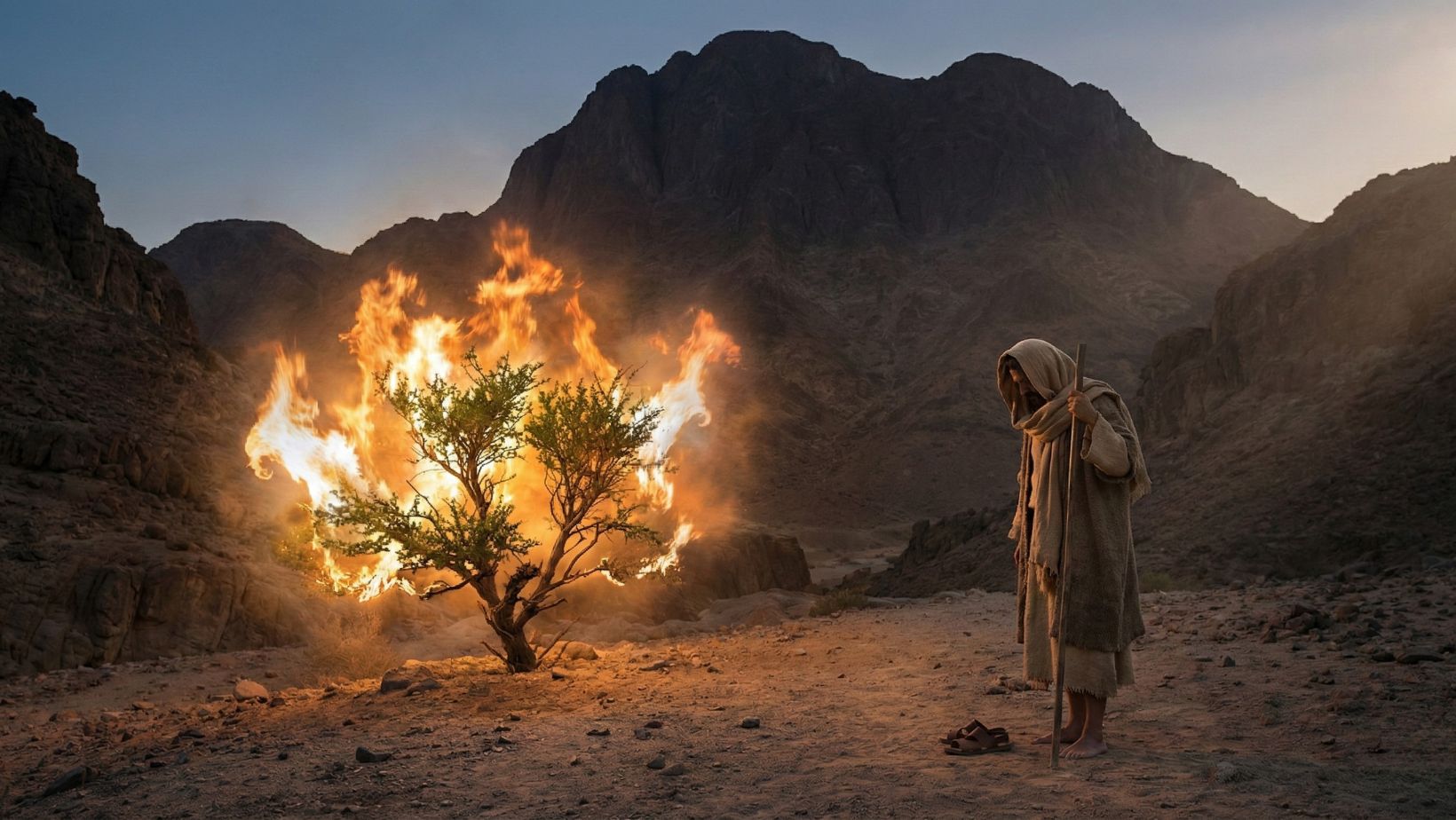
Exodus 3
God appears to Moses in a burning bush at Mount Horeb, revealing His holy name “I AM,” and commissioning the reluctant shepherd to return to Egypt and deliver the Israelites from Pharaoh’s oppression.
-

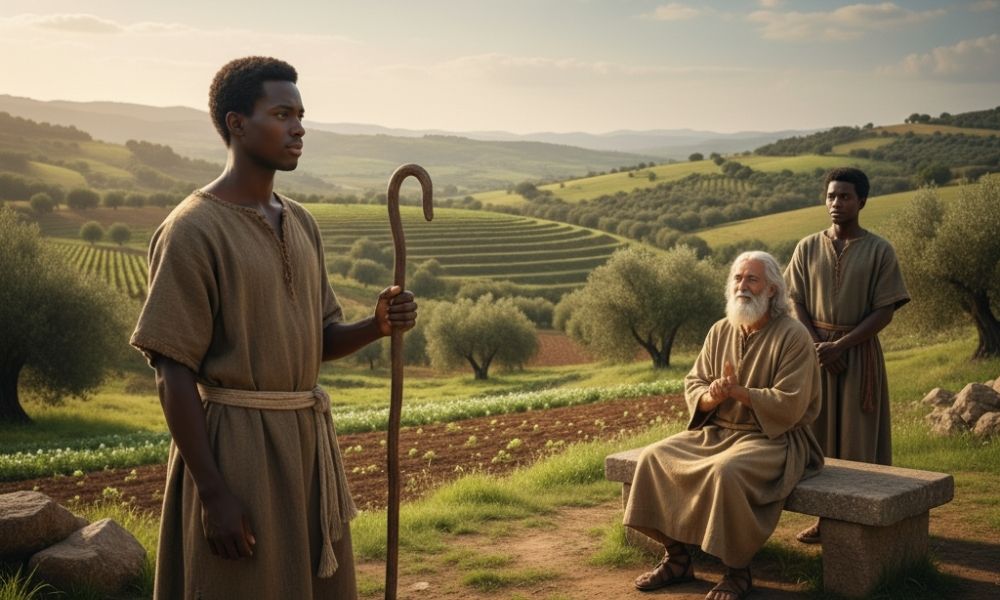
Exodus 2
Moses is born under a death decree, saved by Pharaoh’s daughter, and raised in the palace; but after killing an Egyptian in a failed attempt to help his people, he flees to Midian where he marries and lives as a shepherd while God prepares to answer Israel’s cry.
-
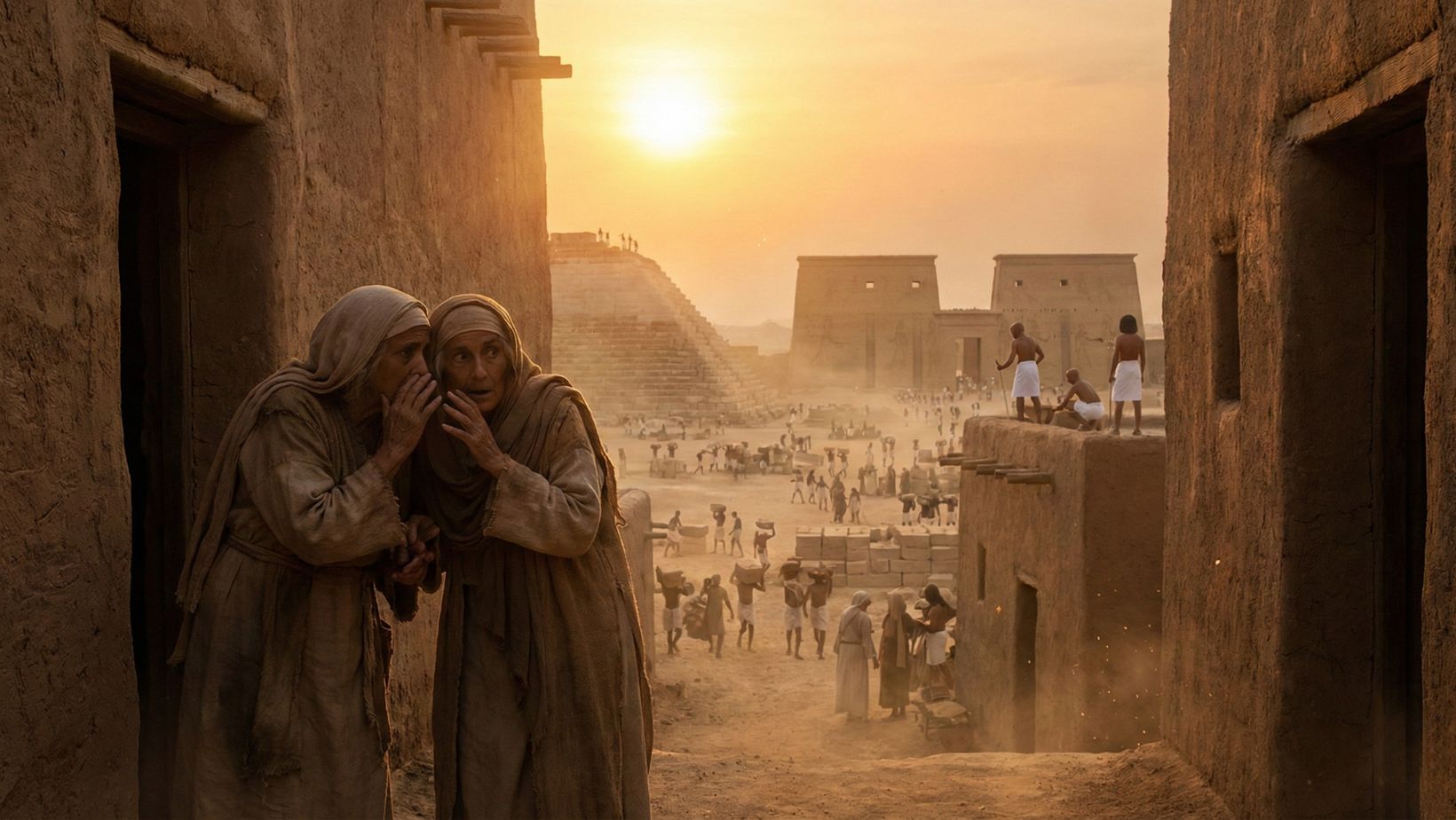
Exodus 1
A threatened Pharaoh attempts to crush the rapidly multiplying Israelites through slavery and infanticide, but his plans are thwarted by the resilience of the people and the defiant faith of two Hebrew midwives.
Bible Characters

-
Jonathan
Jonathan was the valiant crown prince of Israel who chose loyalty to God’s anointed over his own ambition, becoming the Bible’s ultimate example of sacrificial friendship.
-
Michal
Michal was the daughter of King Saul who saved David’s life out of love but ultimately ended her life in barren isolation because she valued royal dignity over humble worship.
-
Abner
Abner was the powerful commander of Saul’s army who, after a long rivalry with David, sought to unite all Israel under David’s crown before being tragically assassinated by Joab.
Biblical Events
-
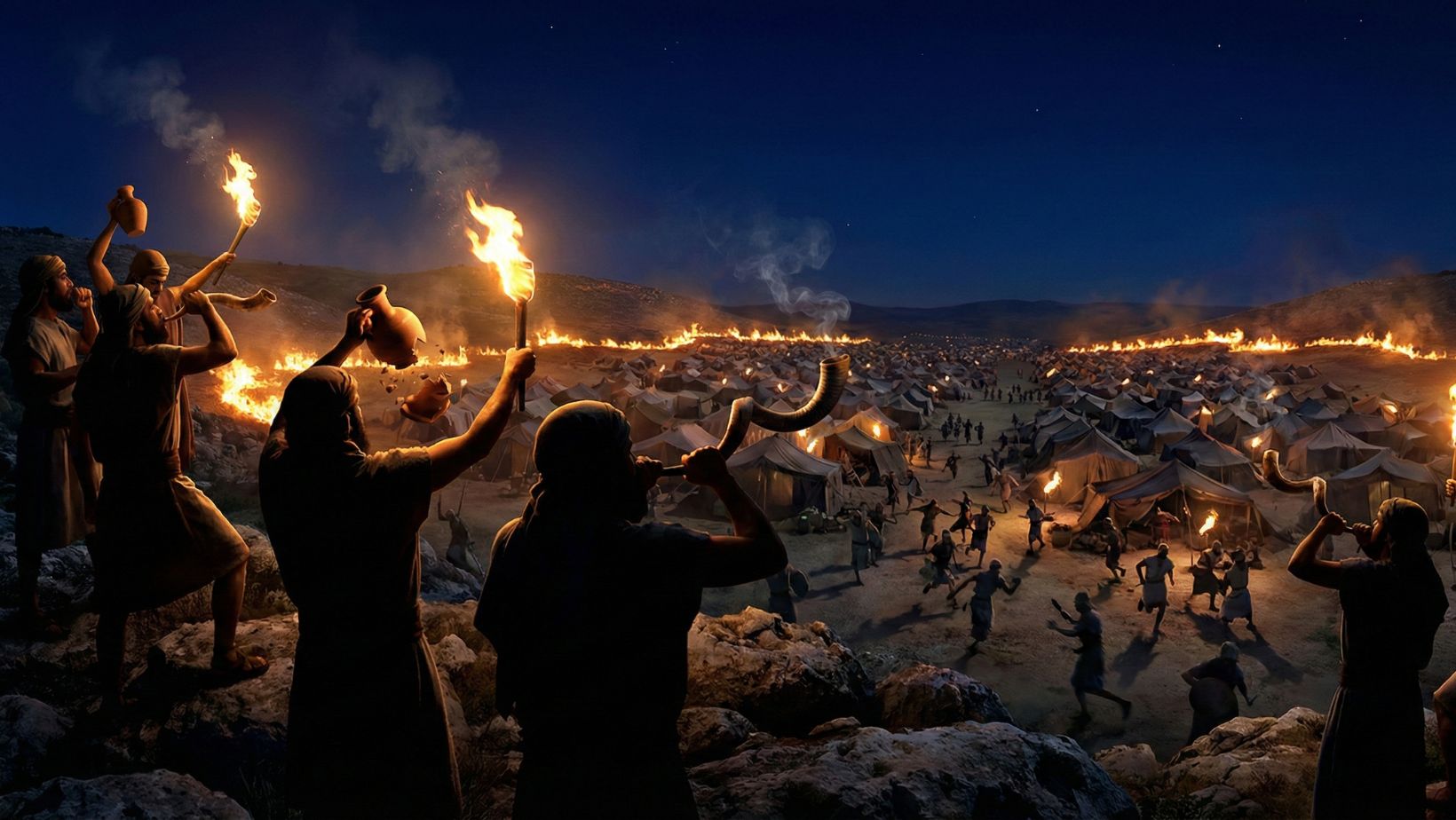
Jonathan
Jonathan was the valiant crown prince of Israel who chose loyalty to God’s anointed over his own ambition, becoming the Bible’s ultimate example of sacrificial friendship.
-
Michal
Michal was the daughter of King Saul who saved David’s life out of love but ultimately ended her life in barren isolation because she valued royal dignity over humble worship.
-
Abner
Abner was the powerful commander of Saul’s army who, after a long rivalry with David, sought to unite all Israel under David’s crown before being tragically assassinated by Joab.
Bible Locations

-
The City of David
The City of David is the ancient, fortified ridge where King David established his capital, serving as the historical seed from which Jerusalem grew and the spiritual center of the Israelite kingdom.
-
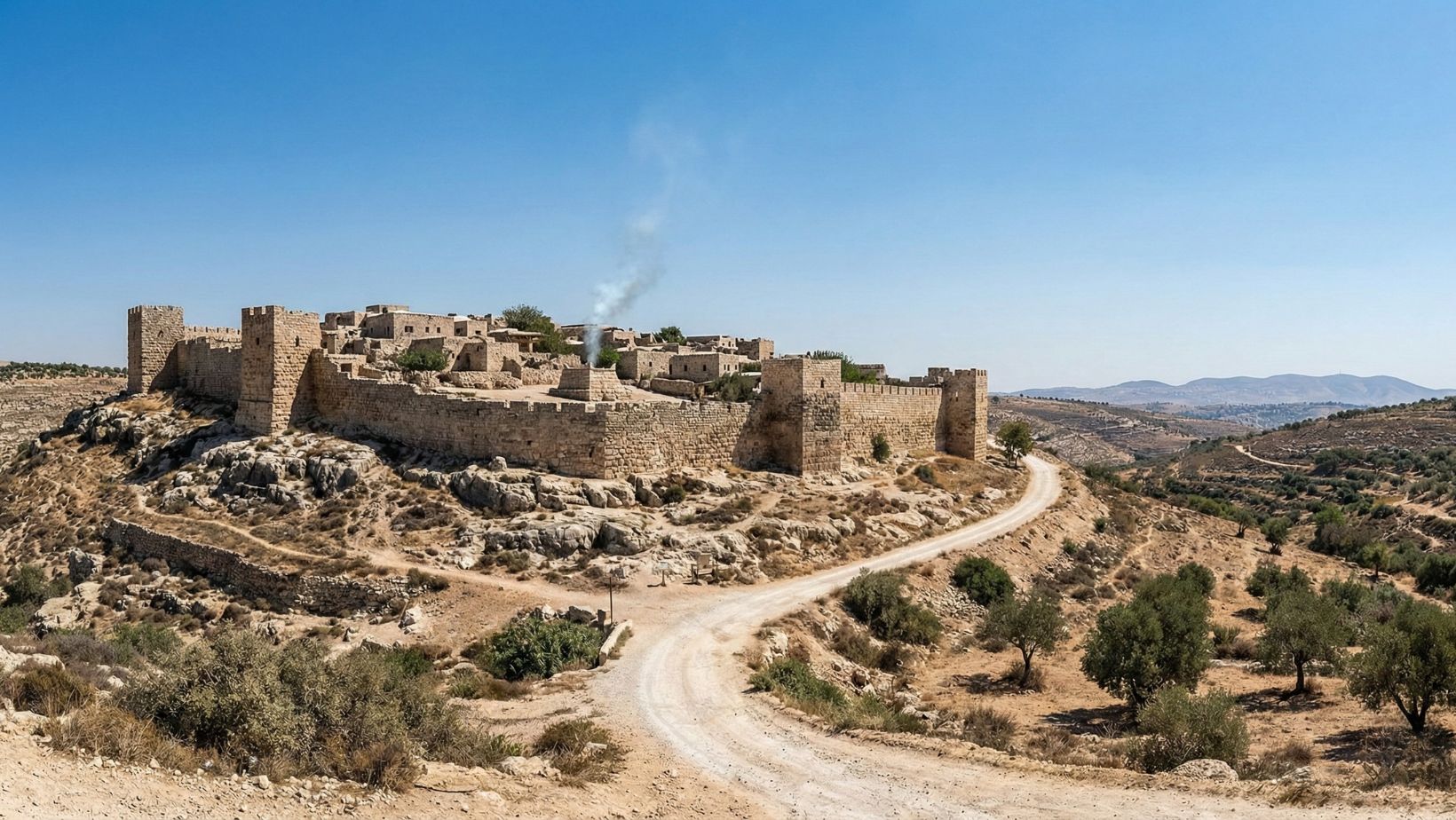
Mahanaim
Mahanaim, meaning “Two Camps,” was the historic fortress city east of the Jordan where Jacob met angels and where kings Ishbosheth and David found refuge during Israel’s greatest civil wars.
-
Jabesh-gilead
Jabesh-gilead was a city defined by a legacy of survival and fierce loyalty, best known for the valiant night raid to retrieve the bodies of King Saul and his sons from Philistine desecration.
