


The book of First Samuel
-
1 Samuel 21
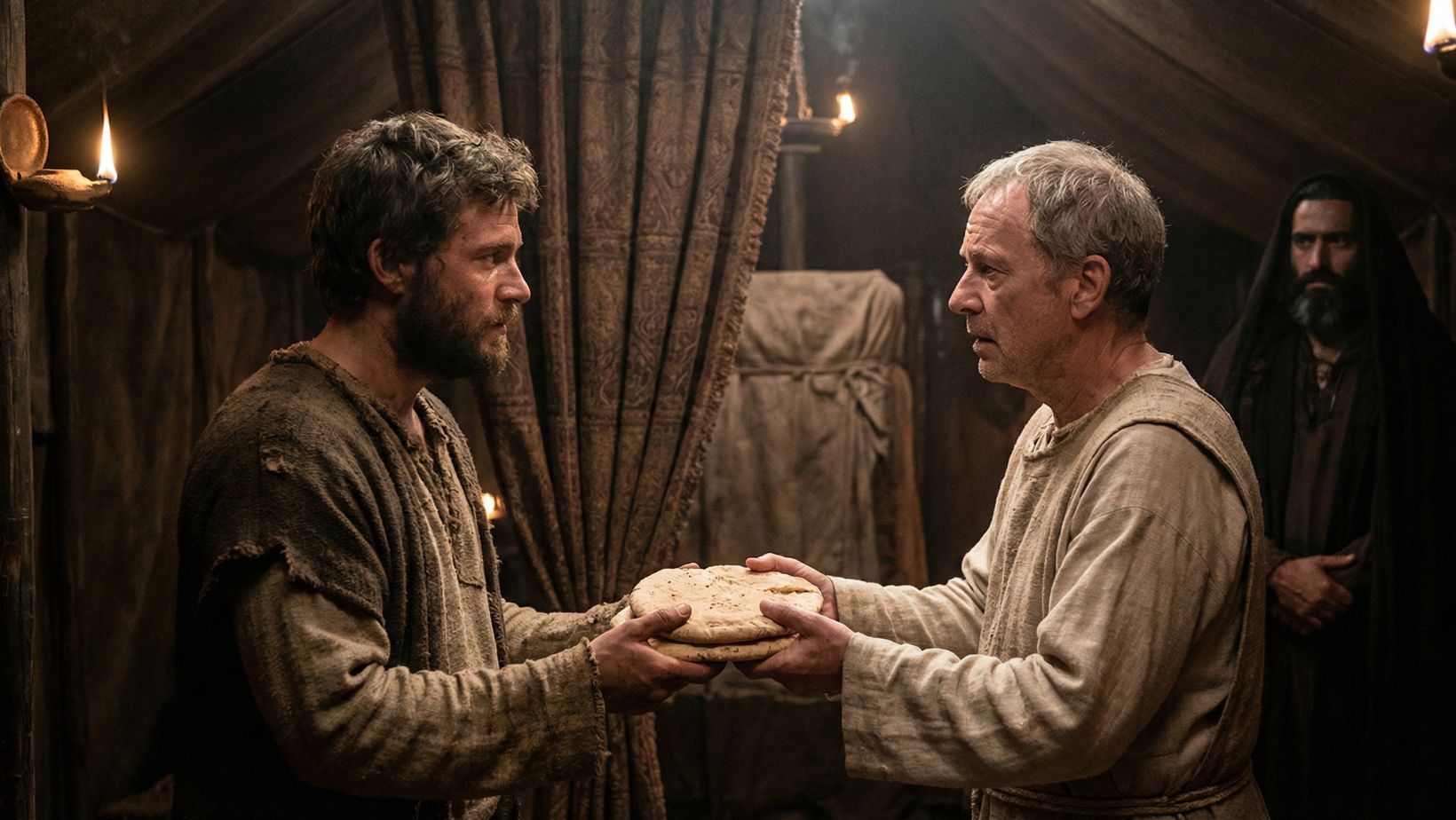
Fleeing Saul, David lies to the priest Ahimelech at Nob to get holy bread and Goliath’s sword, then escapes to the Philistine city of Gath where he feigns madness to avoid being killed by King Achish.
-
1 Samuel 20
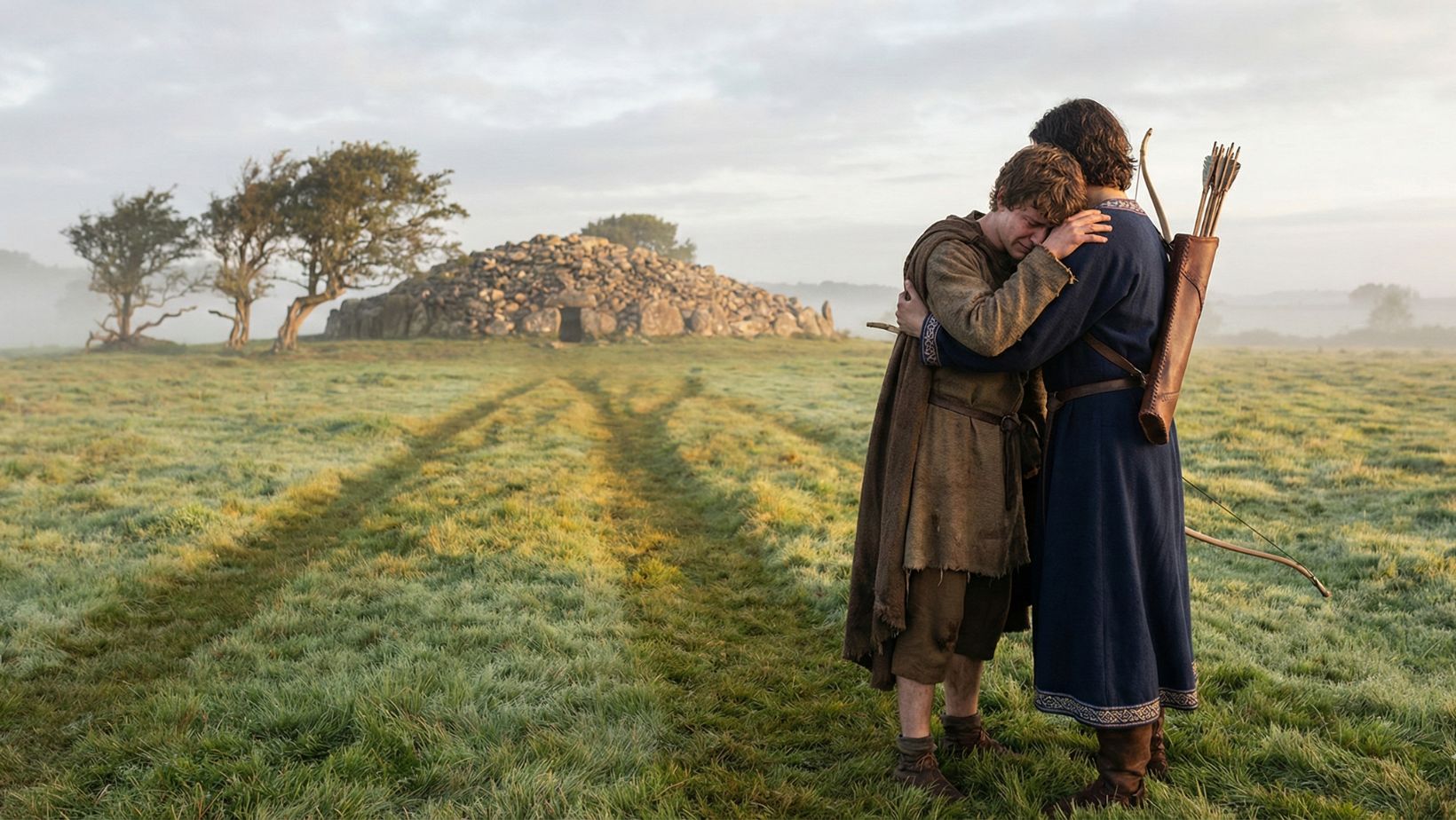
After a failed test to see if King Saul’s anger had subsided, which results in Saul attempting to kill his own son Jonathan, the two friends meet secretly in a field to renew their covenant of loyalty before weeping and parting ways forever.
-
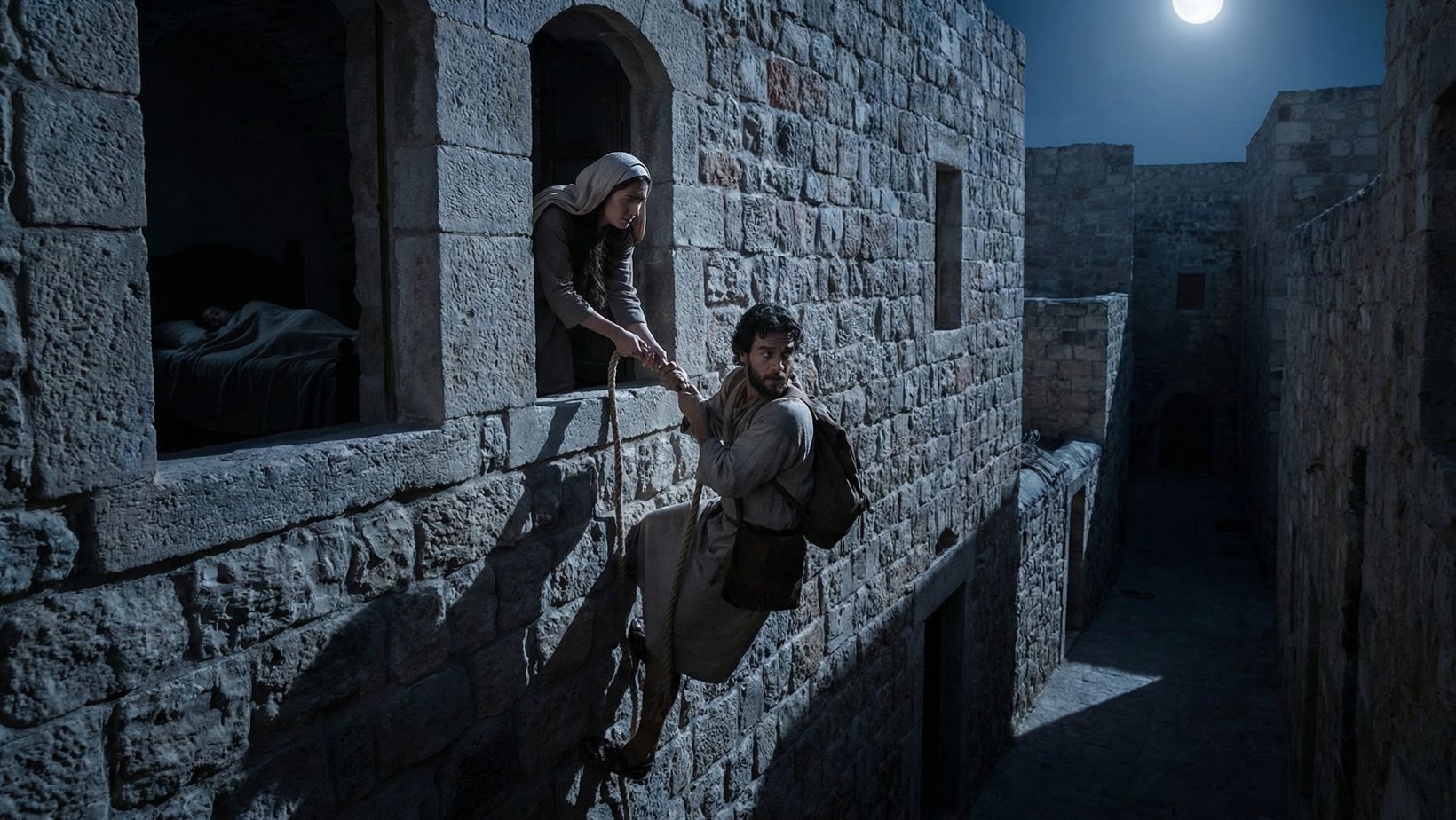
1 Samuel 19
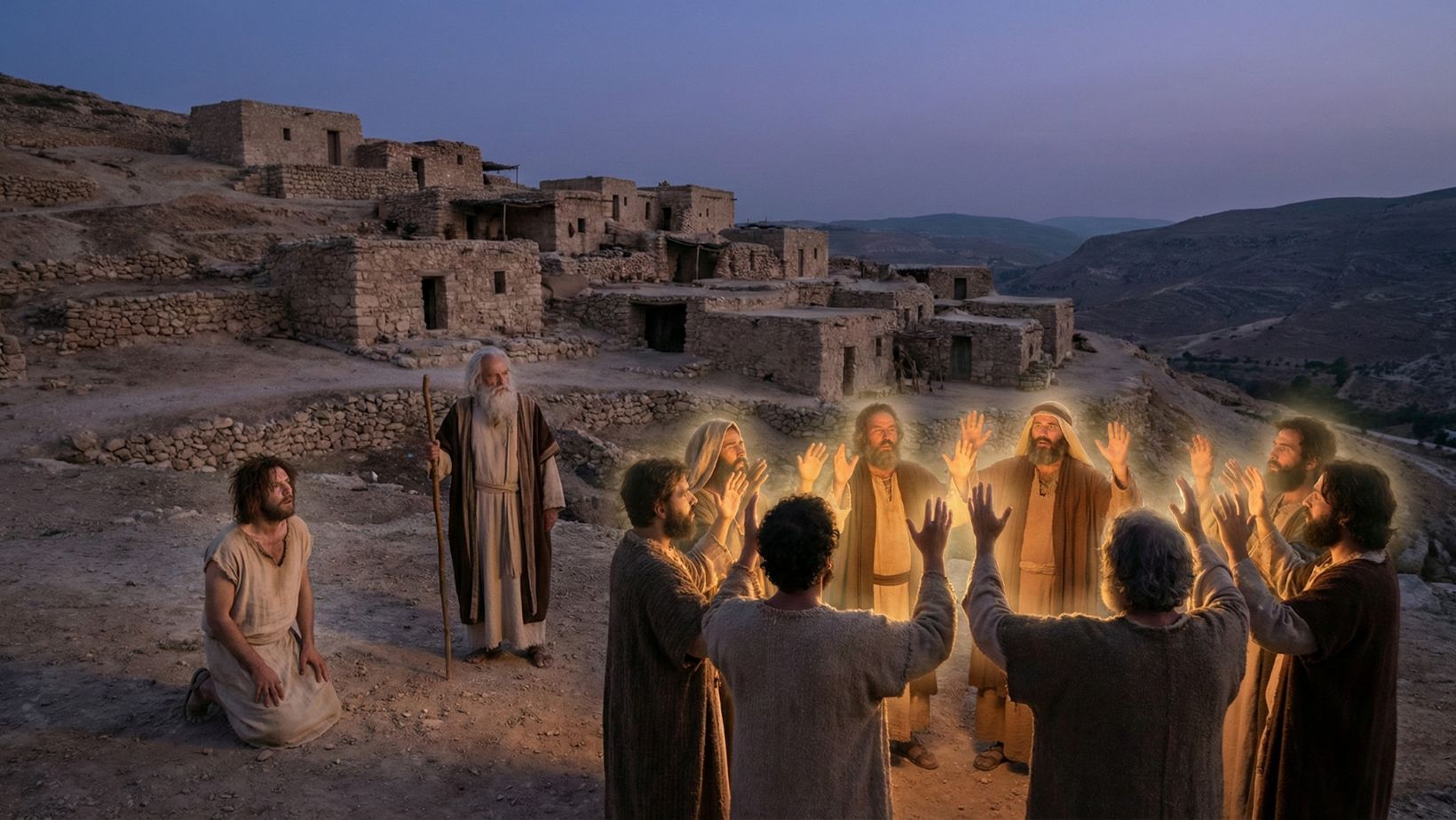
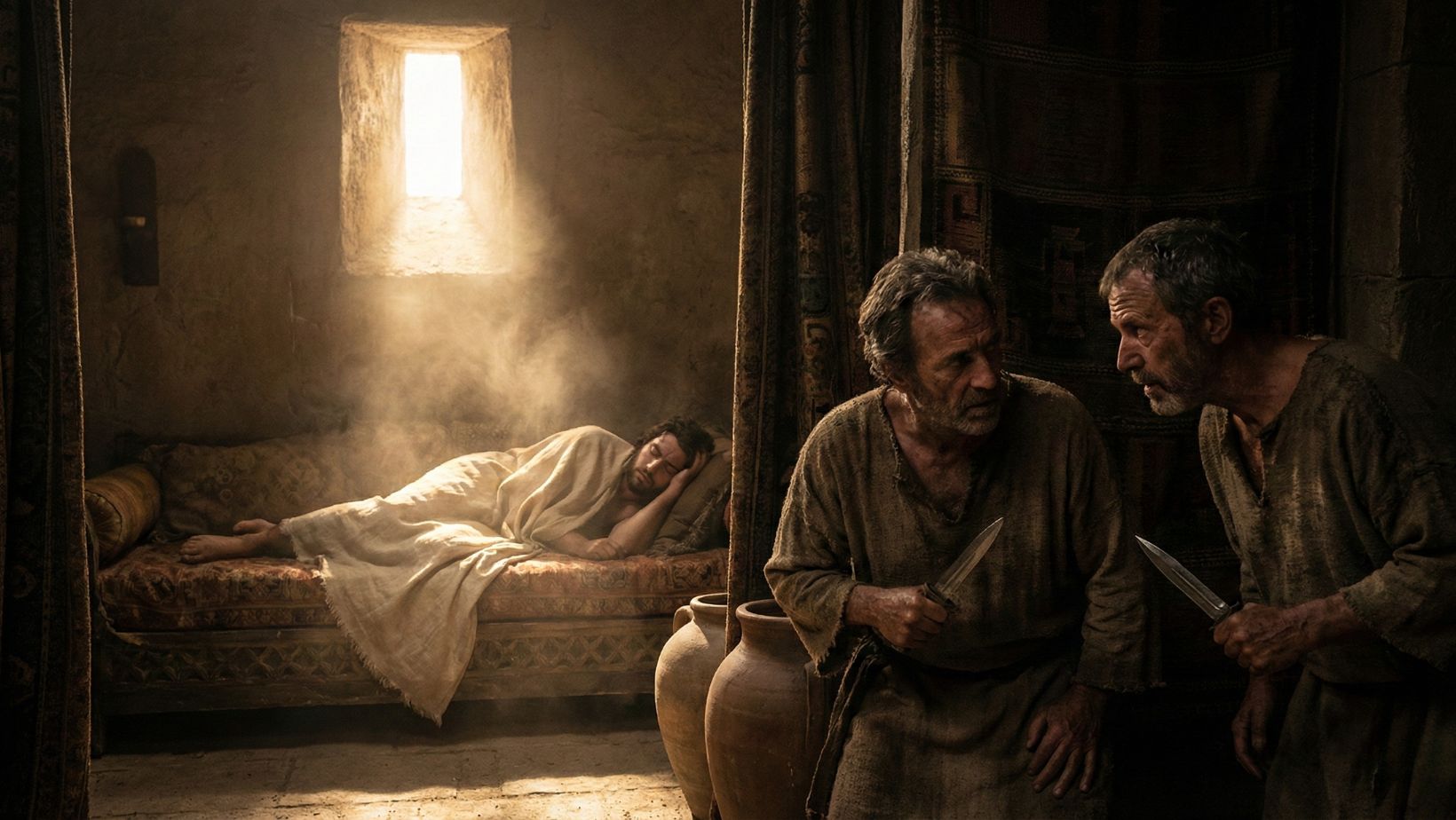
David escapes death three times—first through Jonathan’s intercession, then through Michal’s window escape, and finally at Ramah, where the Spirit of God overwhelms Saul and his soldiers with prophetic ecstasy, preventing David’s capture.
-
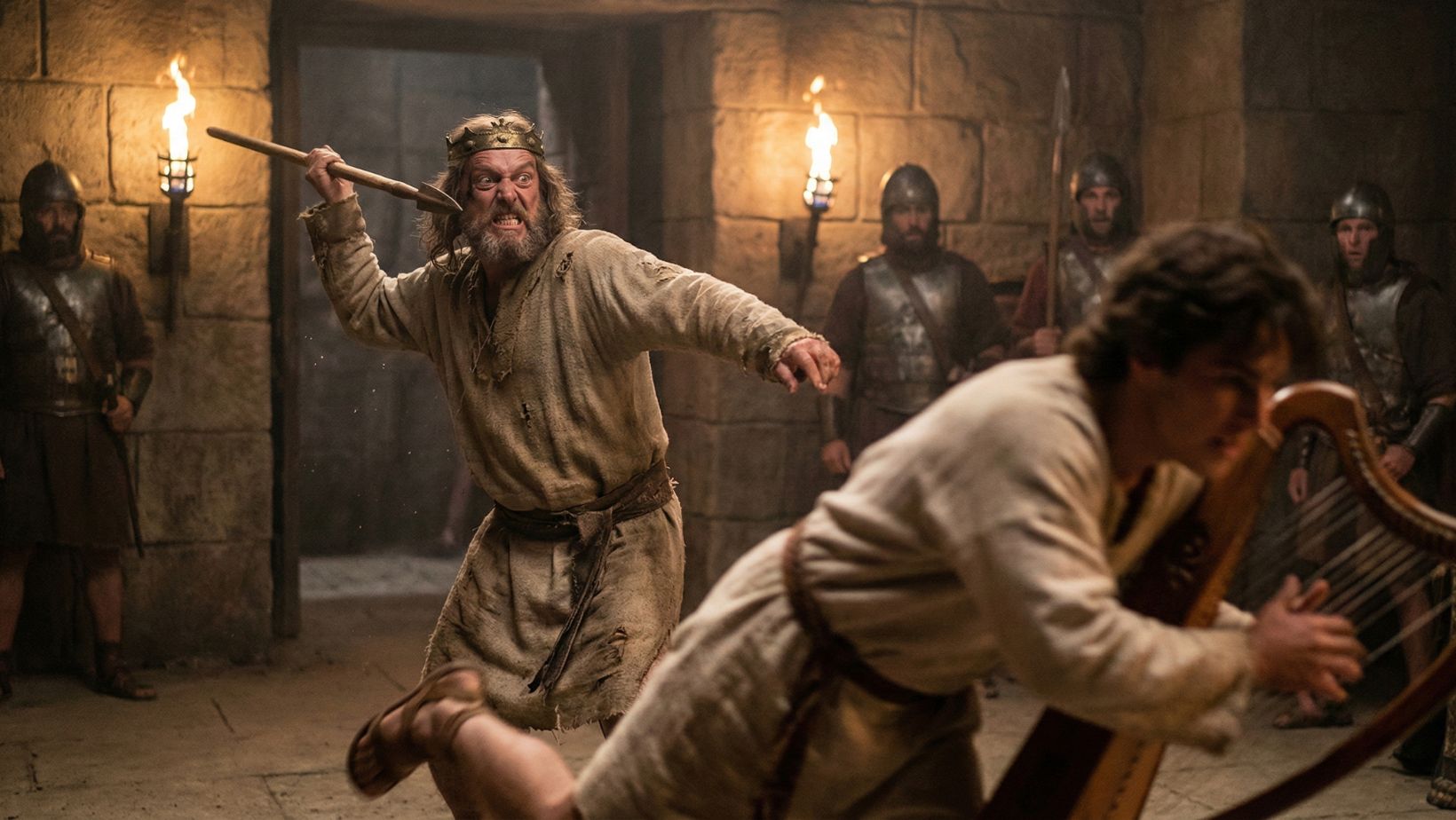
1 Samuel 18
As David’s fame grows and he forms a covenant friendship with Jonathan, King Saul becomes consumed by jealousy, attempting to kill David with a spear and dangerous military assignments, all of which only increase David’s success and popularity.
-
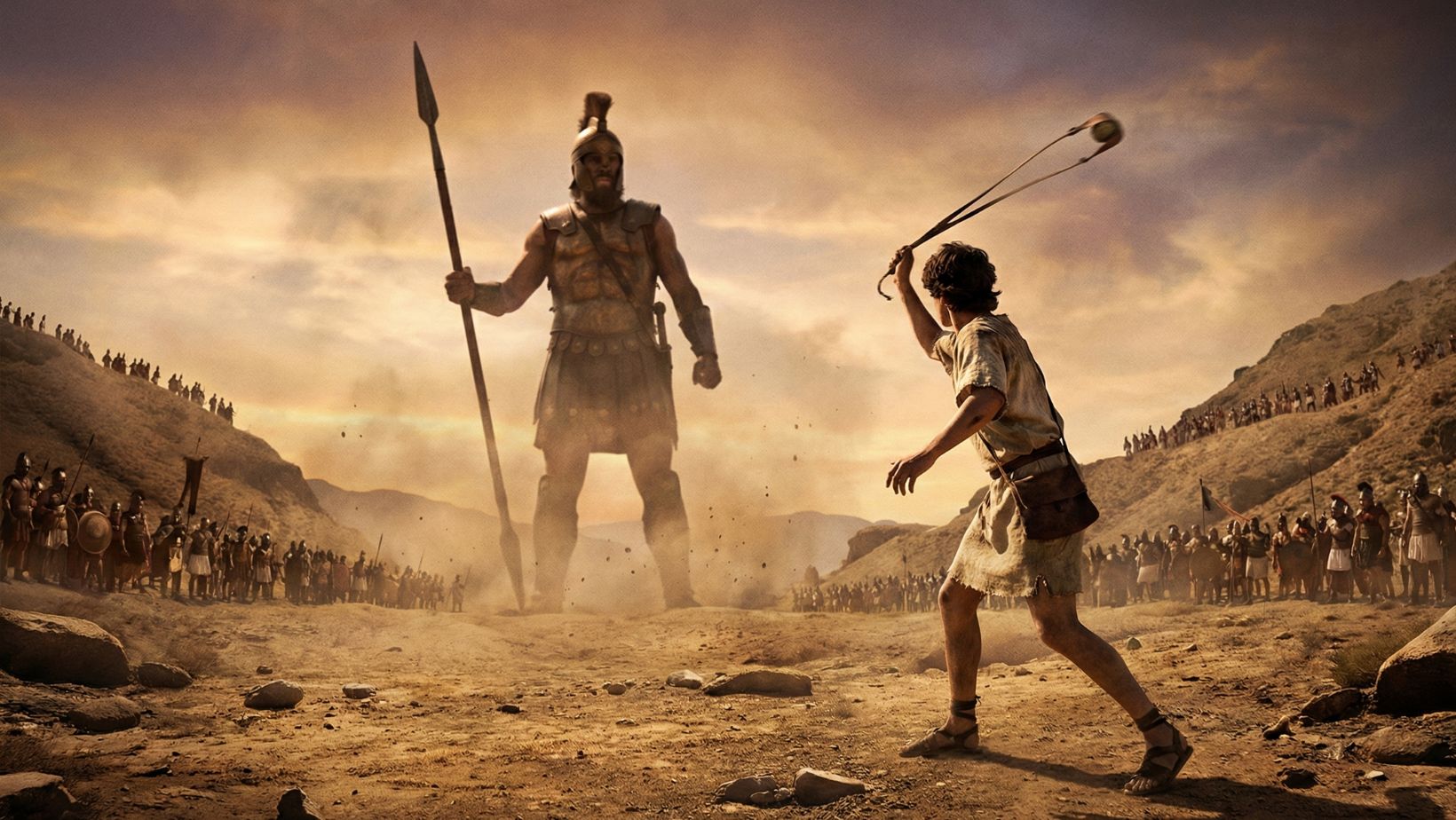
1 Samuel 17
While the armies of Israel cower before the giant Goliath, the young shepherd David, trusting in the name of the Lord and armed only with a sling, defeats the champion and secures a great victory for Israel.
-
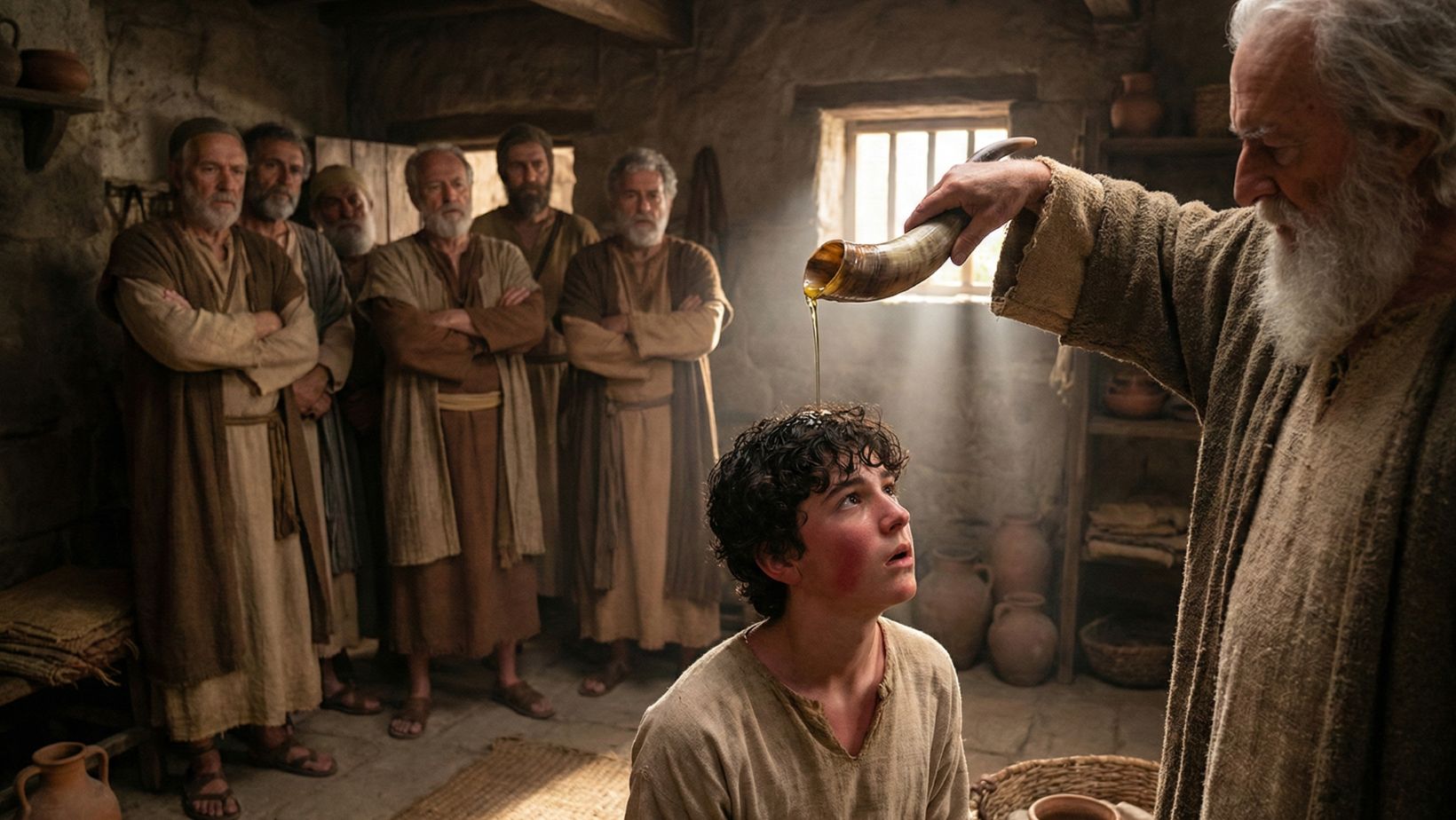
1 Samuel 16
God rejects the outward appearance of Jesse’s older sons and commands Samuel to anoint the youngest, David, as the future king; meanwhile, David enters Saul’s service as a musician to soothe the king’s tormenting spirit.
-
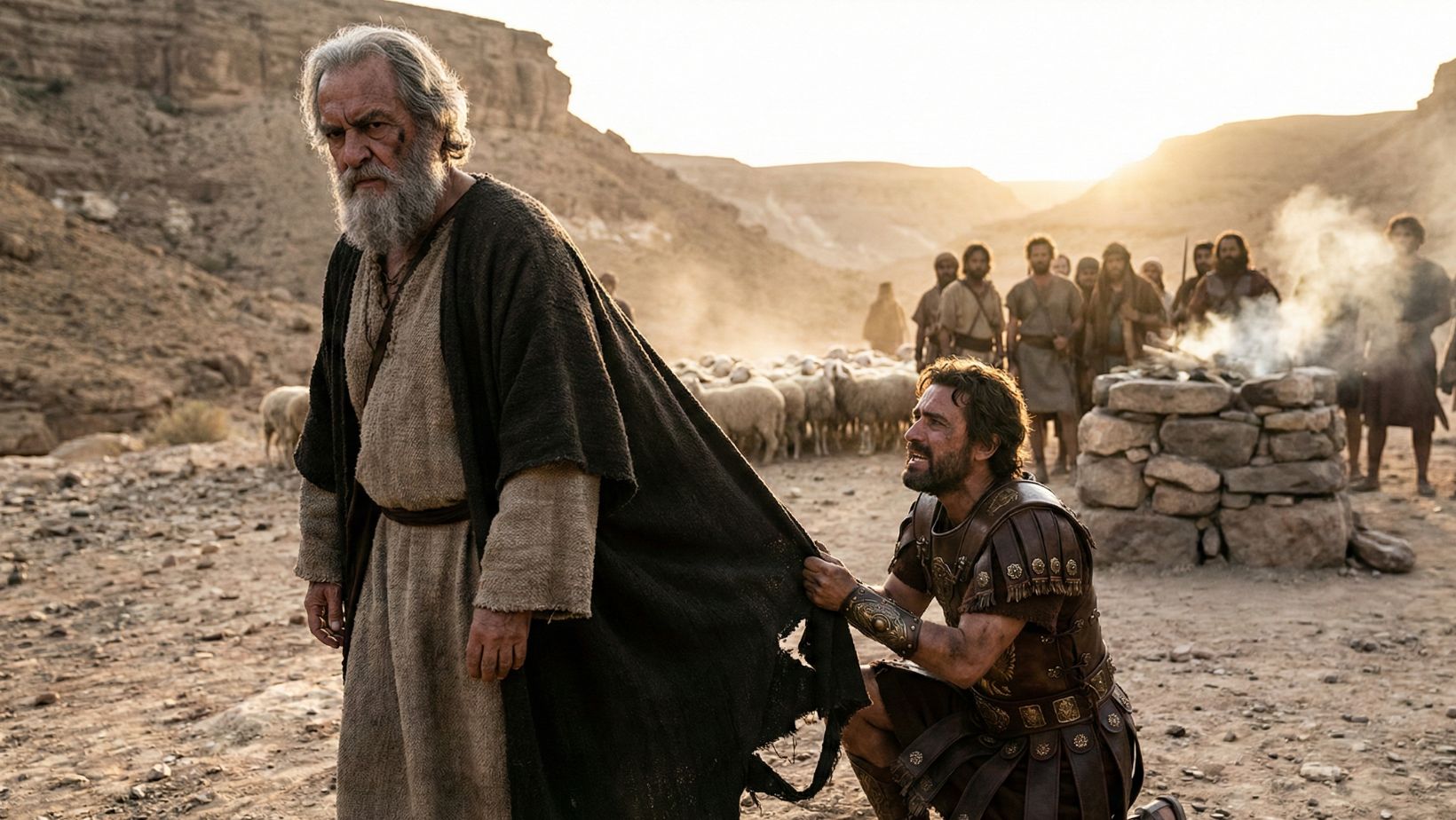
1 Samuel 15
Saul defeats the Amalekites but disobeys God by sparing King Agag and the best livestock; consequently, Samuel confronts him, declares that “obedience is better than sacrifice,” and announces God’s rejection of Saul as king.
-
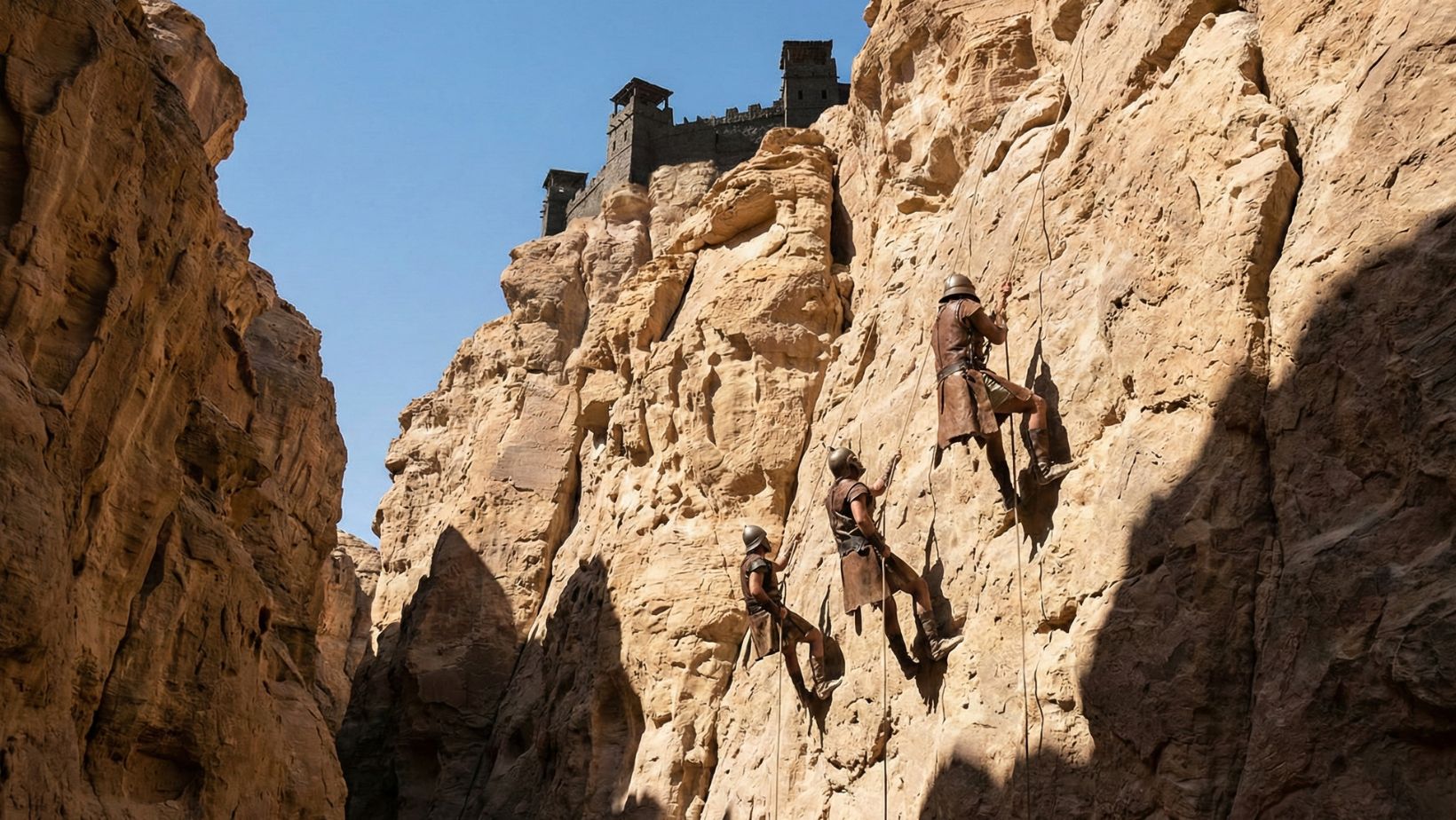
1 Samuel 14
Jonathan’s bold faith sparks a miraculous victory against the Philistines, but the triumph is nearly ruined by Saul’s foolish vow and legalism, which exhausts the army and endangers Jonathan’s life until the people intervene.
-
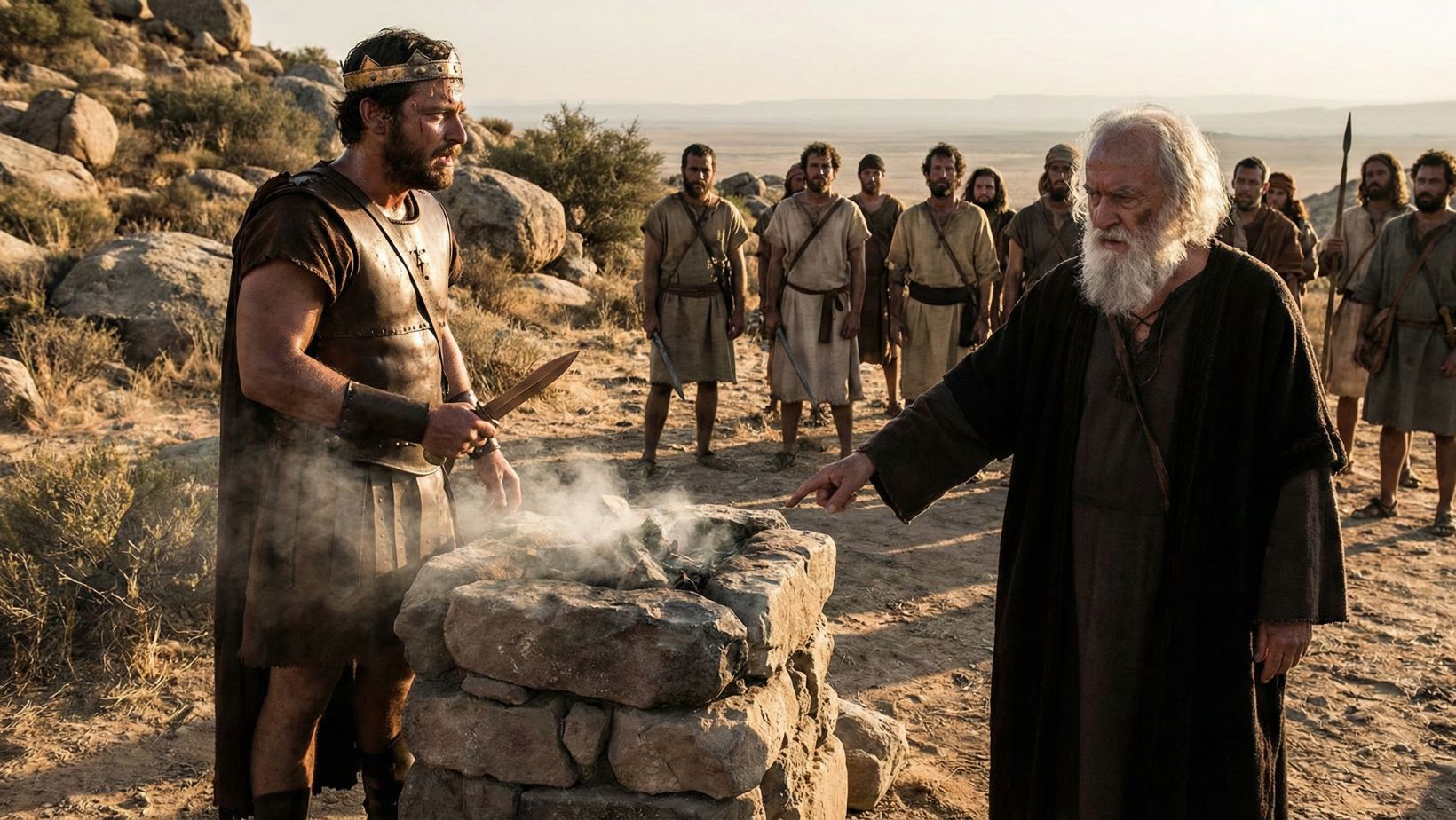
1 Samuel 13
Facing an overwhelming Philistine army and deserting troops, Saul impatiently offers an unlawful sacrifice before Samuel arrives, resulting in the divine rejection of his dynasty and the prophetic announcement of a successor “after God’s own heart.”
-
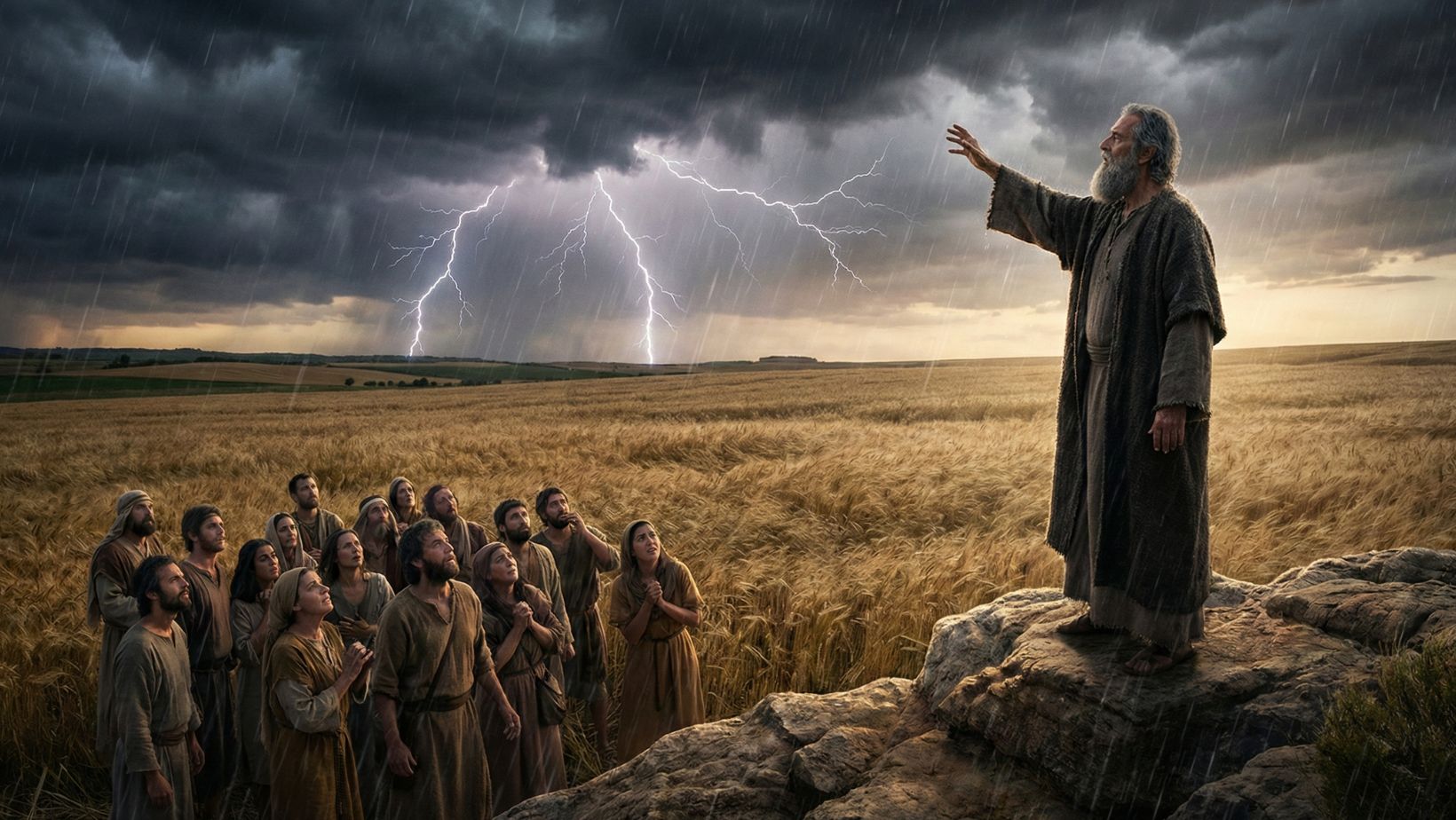
1 Samuel 12
In his farewell address, Samuel vindicates his integrity, rebukes Israel for demanding a king by calling down miraculous thunder during harvest, yet assures them that if they and their king obey the Lord, God will not abandon them for His name’s sake.
Bible Characters

-
Jonathan
Jonathan was the valiant crown prince of Israel who chose loyalty to God’s anointed over his own ambition, becoming the Bible’s ultimate example of sacrificial friendship.
-
Michal
Michal was the daughter of King Saul who saved David’s life out of love but ultimately ended her life in barren isolation because she valued royal dignity over humble worship.
-
Abner
Abner was the powerful commander of Saul’s army who, after a long rivalry with David, sought to unite all Israel under David’s crown before being tragically assassinated by Joab.
Biblical Events

-
Jonathan
Jonathan was the valiant crown prince of Israel who chose loyalty to God’s anointed over his own ambition, becoming the Bible’s ultimate example of sacrificial friendship.
-
Michal
Michal was the daughter of King Saul who saved David’s life out of love but ultimately ended her life in barren isolation because she valued royal dignity over humble worship.
-
Abner
Abner was the powerful commander of Saul’s army who, after a long rivalry with David, sought to unite all Israel under David’s crown before being tragically assassinated by Joab.
Bible Locations

-
The City of David
The City of David is the ancient, fortified ridge where King David established his capital, serving as the historical seed from which Jerusalem grew and the spiritual center of the Israelite kingdom.
-
Mahanaim
Mahanaim, meaning “Two Camps,” was the historic fortress city east of the Jordan where Jacob met angels and where kings Ishbosheth and David found refuge during Israel’s greatest civil wars.
-
Jabesh-gilead
Jabesh-gilead was a city defined by a legacy of survival and fierce loyalty, best known for the valiant night raid to retrieve the bodies of King Saul and his sons from Philistine desecration.
