



The Book of Genesis
-
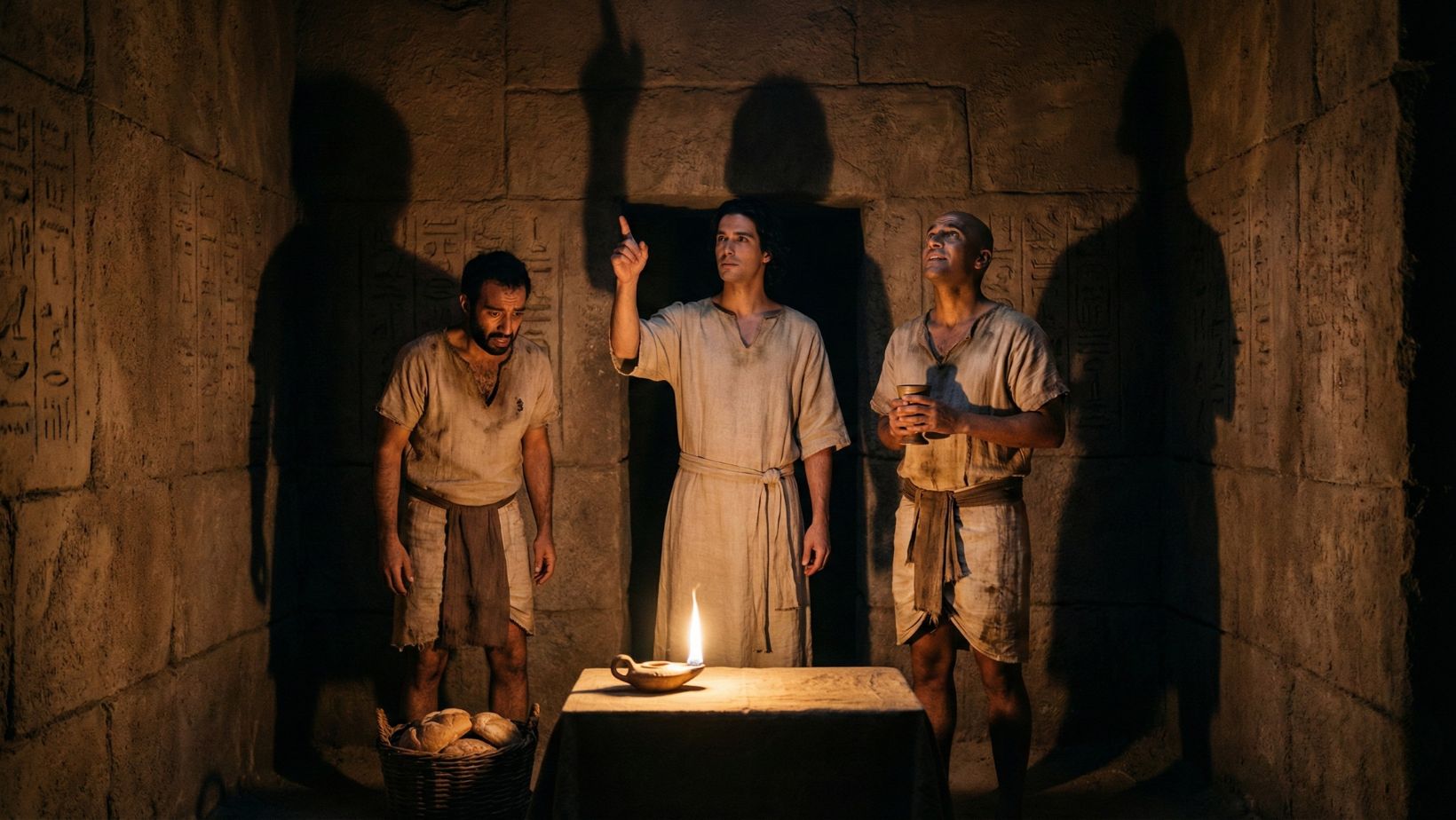
Genesis 40
While imprisoned in Egypt, Joseph correctly interprets the prophetic dreams of Pharaoh’s cupbearer and baker, resulting in the cupbearer’s restoration and the baker’s execution, though Joseph remains forgotten in prison.
-
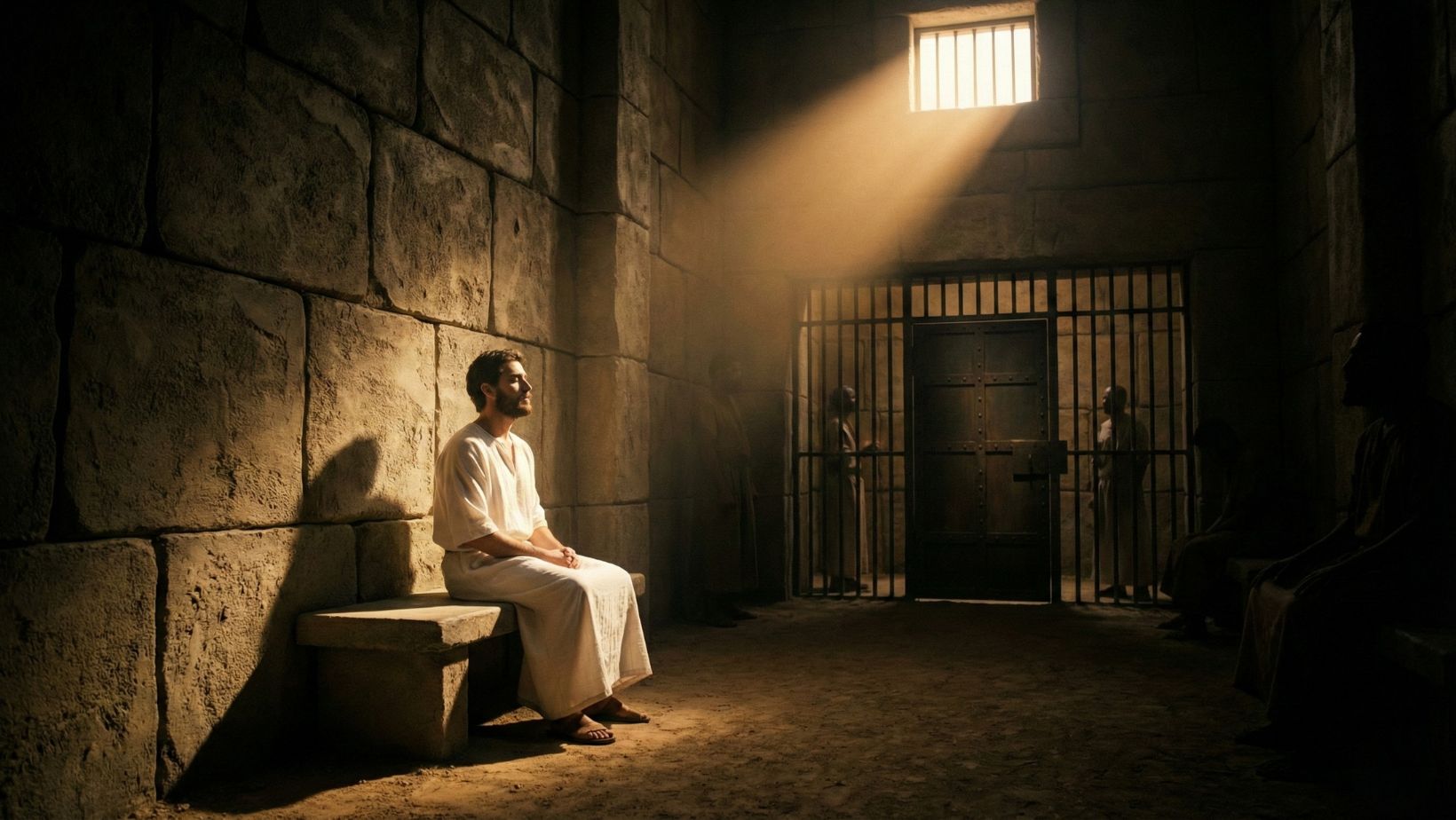
Genesis 39
Despite being unjustly imprisoned after resisting the advances of Potiphar’s wife, Joseph prospers in the king’s prison because the Lord remains with him.
-
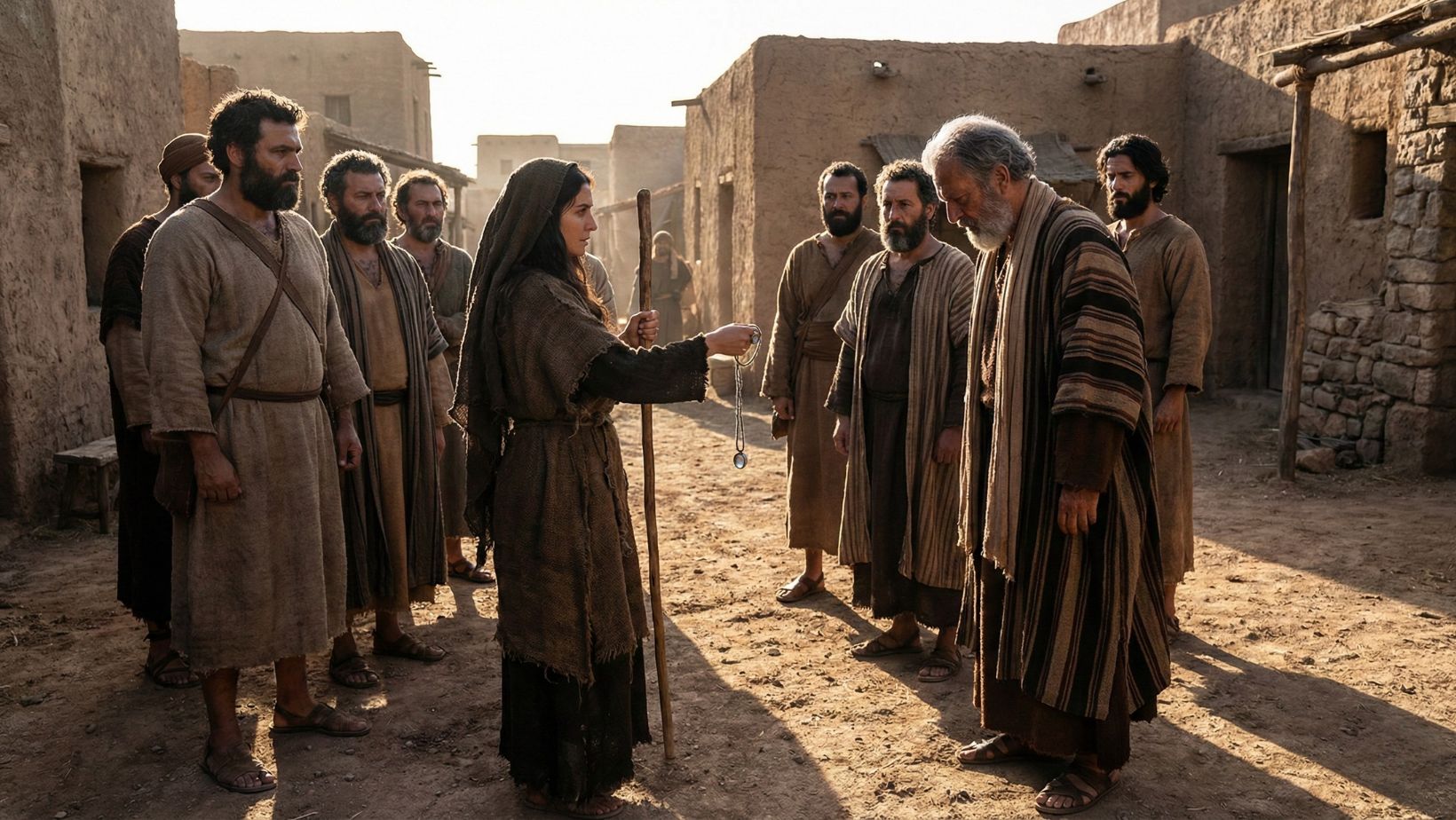
Genesis 38
Judah falls into sexual sin and hypocrisy with his daughter-in-law Tamar, but her courageous exposure of his failure leads to his repentance and the birth of Perez, the ancestor of Christ.
-
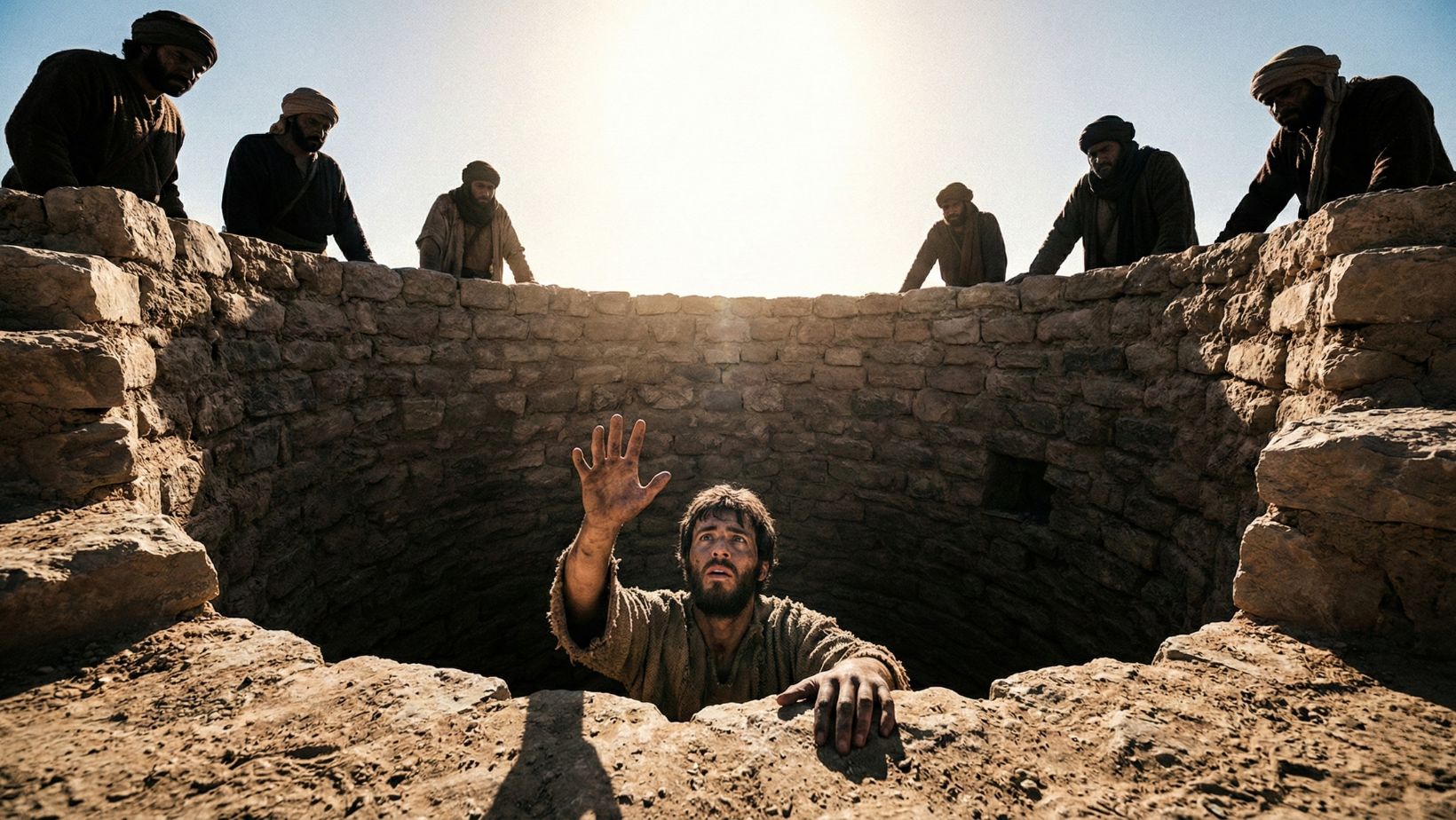
Genesis 37
Fuelled by jealousy over Joseph’s favored status and prophetic dreams, his brothers sell him into Egyptian slavery and deceive their father into believing he is dead.
-
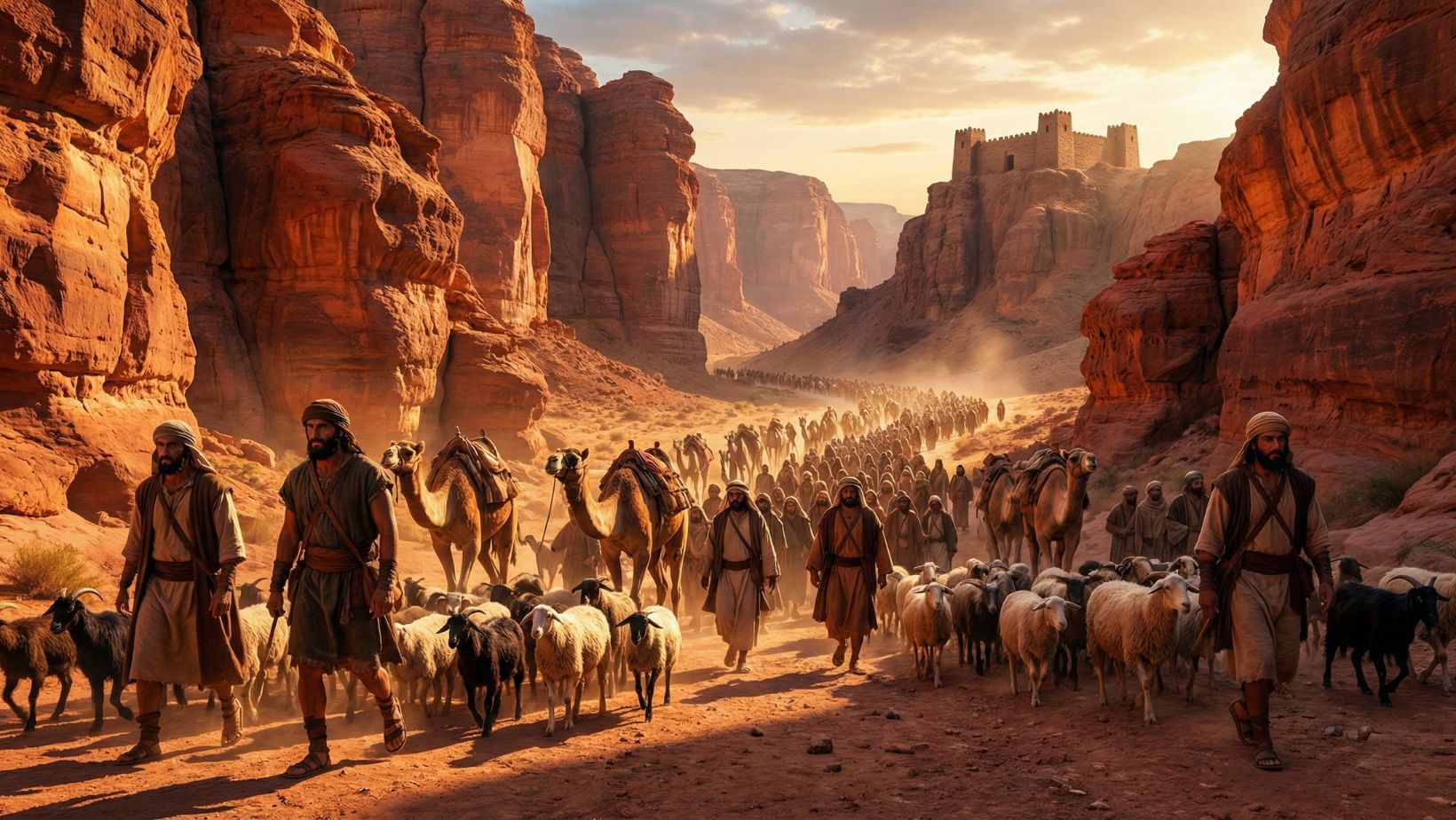
Genesis 36
Genesis 36 details the genealogy and political rise of Esau’s descendants, documenting how his family became the organized nation of Edom in the rugged mountains of Seir.
-
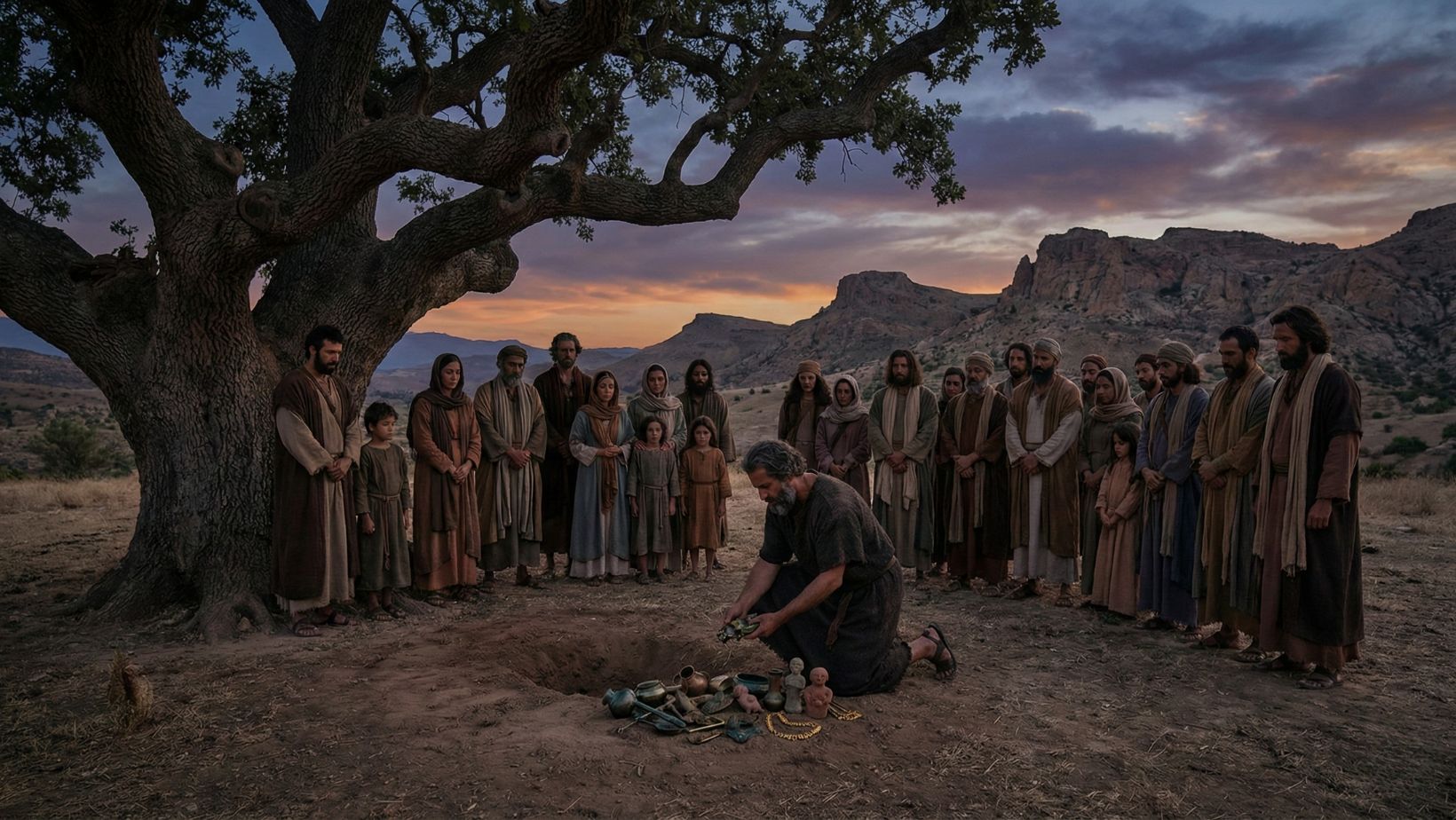
Genesis 35
Jacob leads his family in spiritual cleansing before returning to Bethel where God confirms his name as Israel and ratifies the covenant, followed by a mix of tragedy in Rachel’s death at Benjamin’s birth and the final consolidation of the twelve sons before Isaac dies.
-
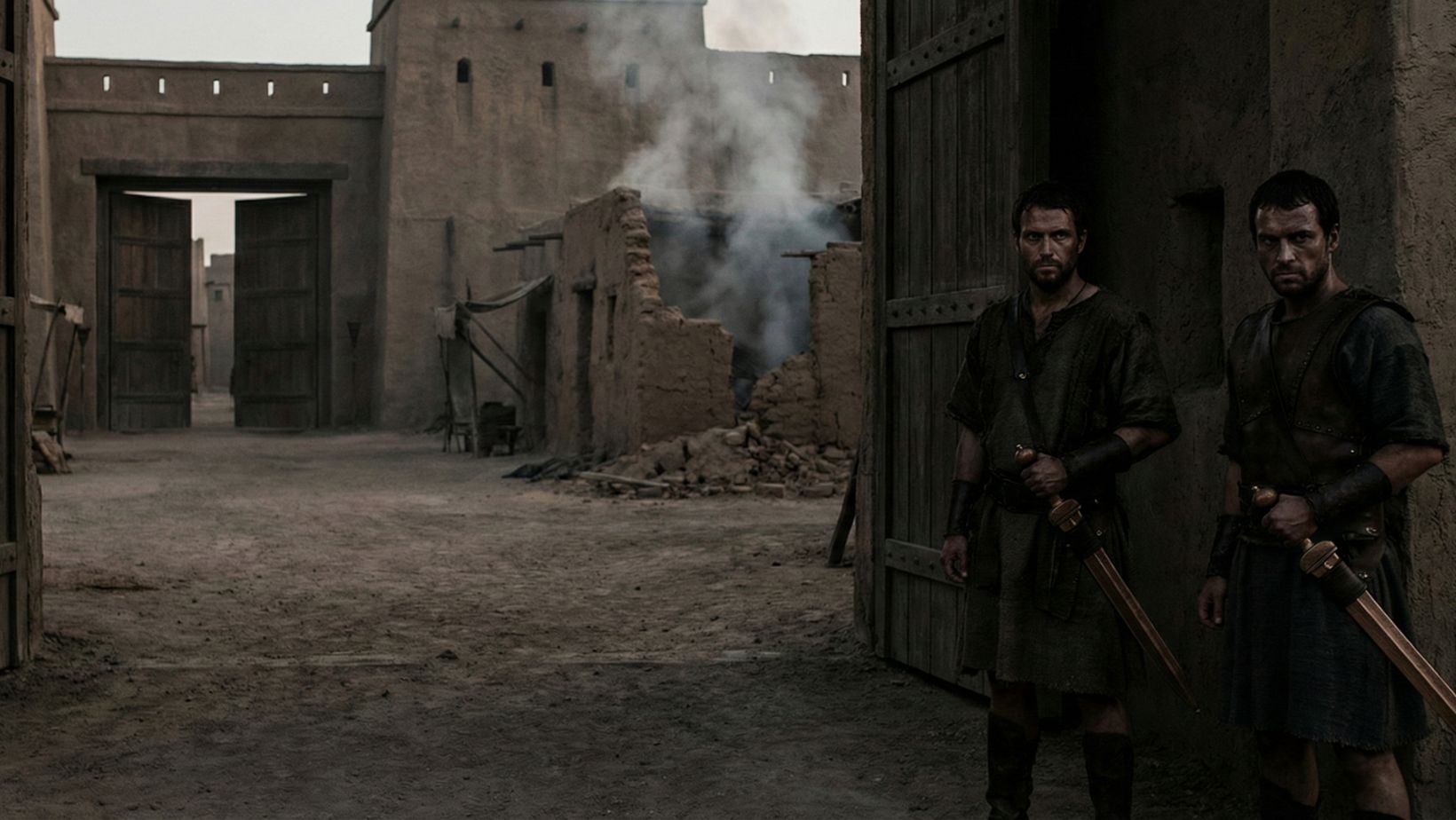
Genesis 34
A peaceful settlement turns into a bloodbath when Jacob’s daughter Dinah is violated by a Hivite prince, leading her brothers Simeon and Levi to exact a deceptive and brutal revenge that threatens the family’s survival.
-
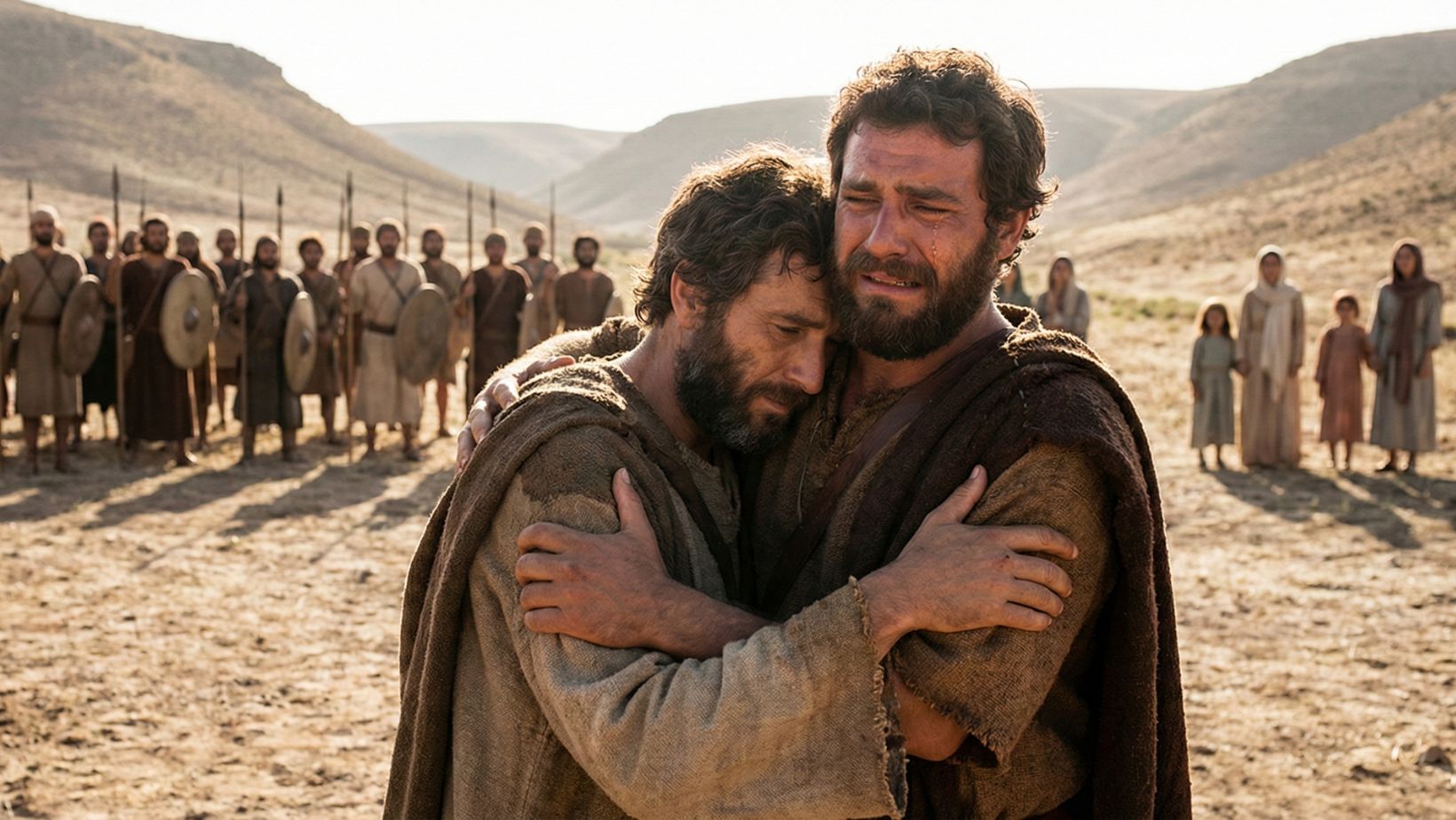
Genesis 33
In a powerful display of divine intervention and human humility, Jacob and Esau reconcile through tears and gifts, allowing Jacob to finally enter the land of Canaan and establish his own altar to God.
-
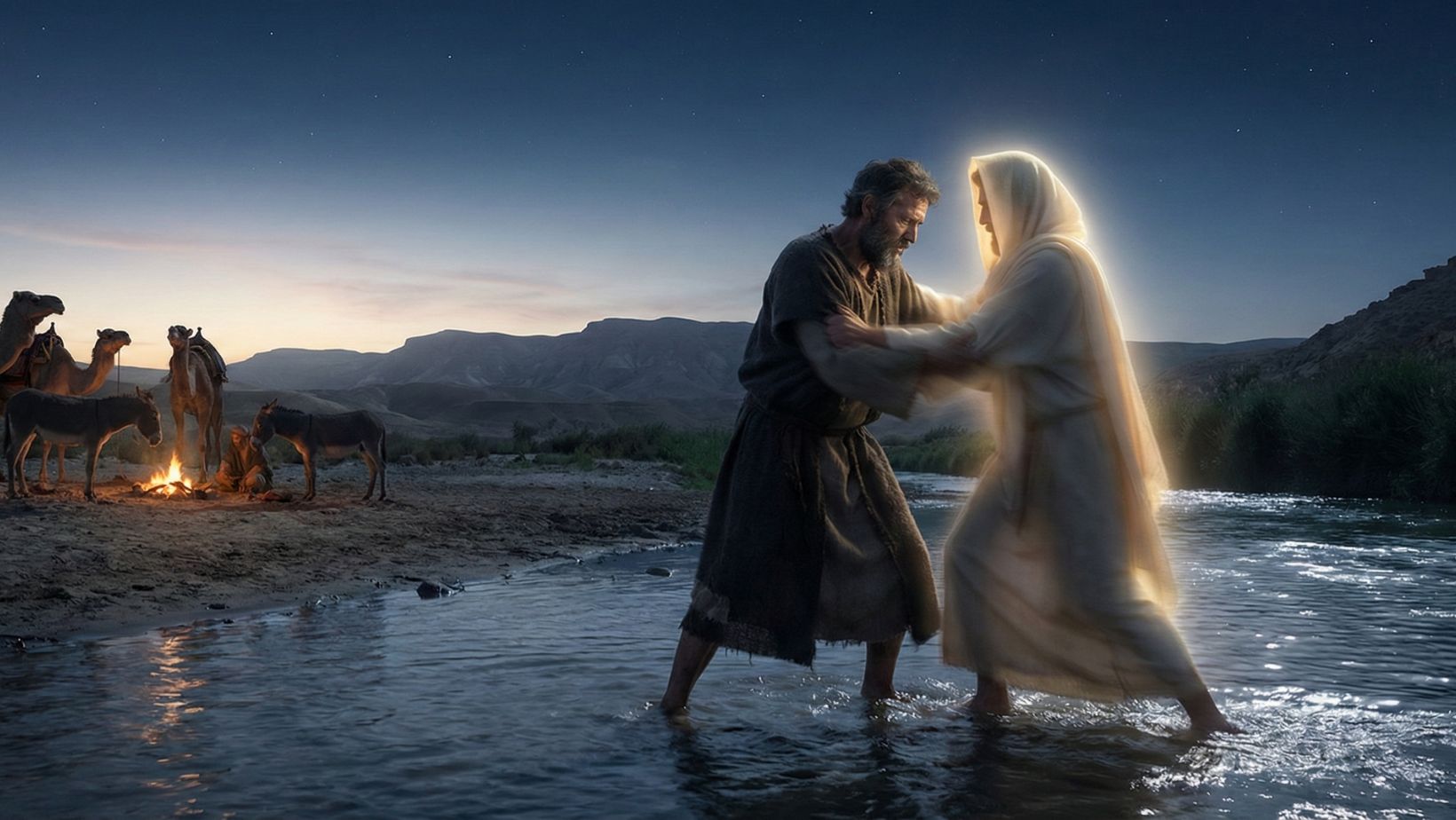
Genesis 32
Facing a terrifying reunion with Esau, Jacob organizes his camp and cries out to God, leading to a supernatural wrestling match where his body is broken, his name is changed to Israel, and his soul is blessed.
-
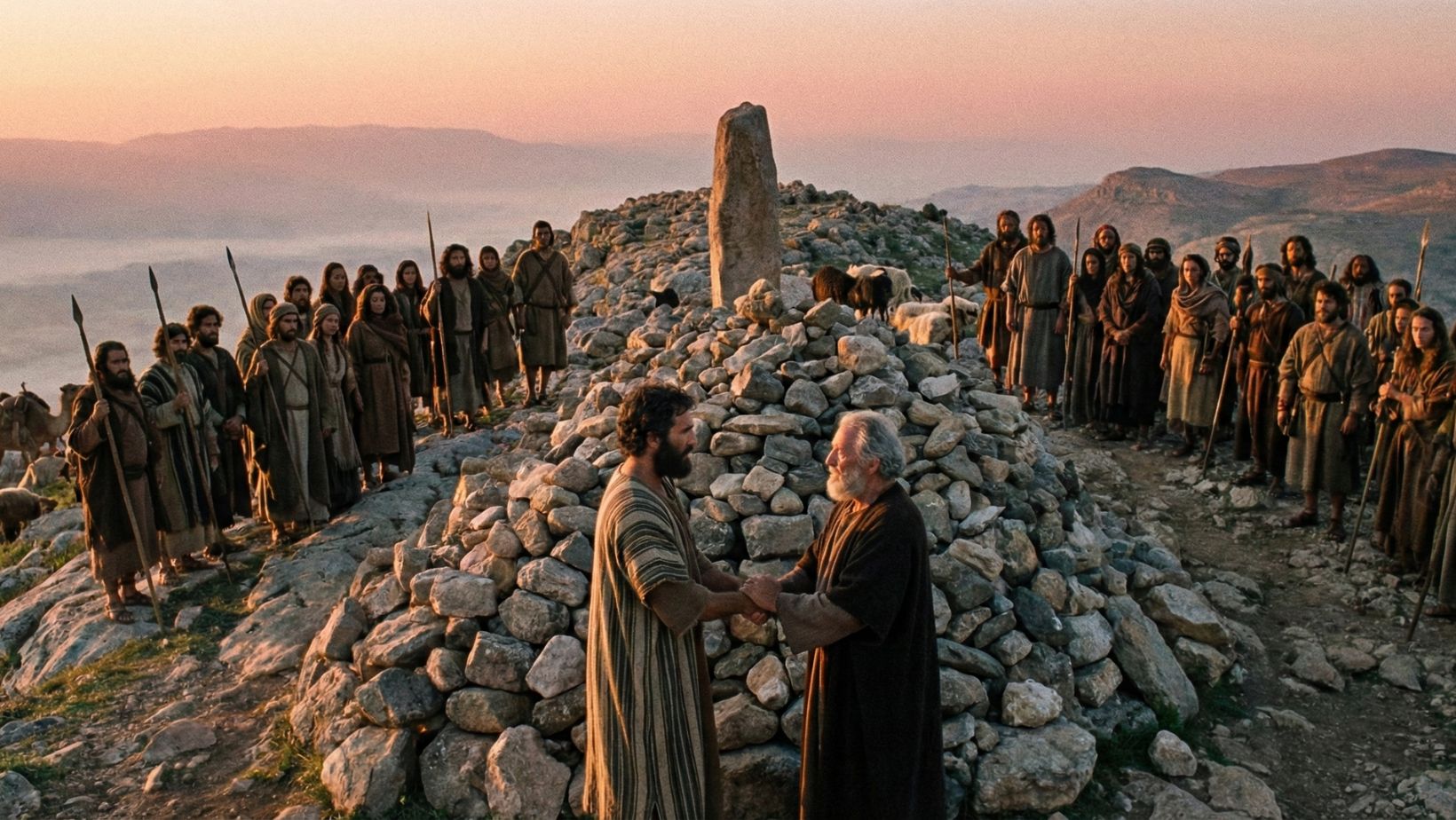
Genesis 31
After years of mistreatment, Jacob flees Laban’s household under divine command, resulting in a tense confrontation that ends in a covenant of separation and a journey toward the Promised Land.
Bible Characters

-
Jonathan
Jonathan was the valiant crown prince of Israel who chose loyalty to God’s anointed over his own ambition, becoming the Bible’s ultimate example of sacrificial friendship.
-
Michal
Michal was the daughter of King Saul who saved David’s life out of love but ultimately ended her life in barren isolation because she valued royal dignity over humble worship.
-
Abner
Abner was the powerful commander of Saul’s army who, after a long rivalry with David, sought to unite all Israel under David’s crown before being tragically assassinated by Joab.
Biblical Events

-
Jonathan
Jonathan was the valiant crown prince of Israel who chose loyalty to God’s anointed over his own ambition, becoming the Bible’s ultimate example of sacrificial friendship.
-
Michal
Michal was the daughter of King Saul who saved David’s life out of love but ultimately ended her life in barren isolation because she valued royal dignity over humble worship.
-
Abner
Abner was the powerful commander of Saul’s army who, after a long rivalry with David, sought to unite all Israel under David’s crown before being tragically assassinated by Joab.
Bible Locations

-
The City of David
The City of David is the ancient, fortified ridge where King David established his capital, serving as the historical seed from which Jerusalem grew and the spiritual center of the Israelite kingdom.
-
Mahanaim
Mahanaim, meaning “Two Camps,” was the historic fortress city east of the Jordan where Jacob met angels and where kings Ishbosheth and David found refuge during Israel’s greatest civil wars.
-
Jabesh-gilead
Jabesh-gilead was a city defined by a legacy of survival and fierce loyalty, best known for the valiant night raid to retrieve the bodies of King Saul and his sons from Philistine desecration.
