
The Book of Genesis
-
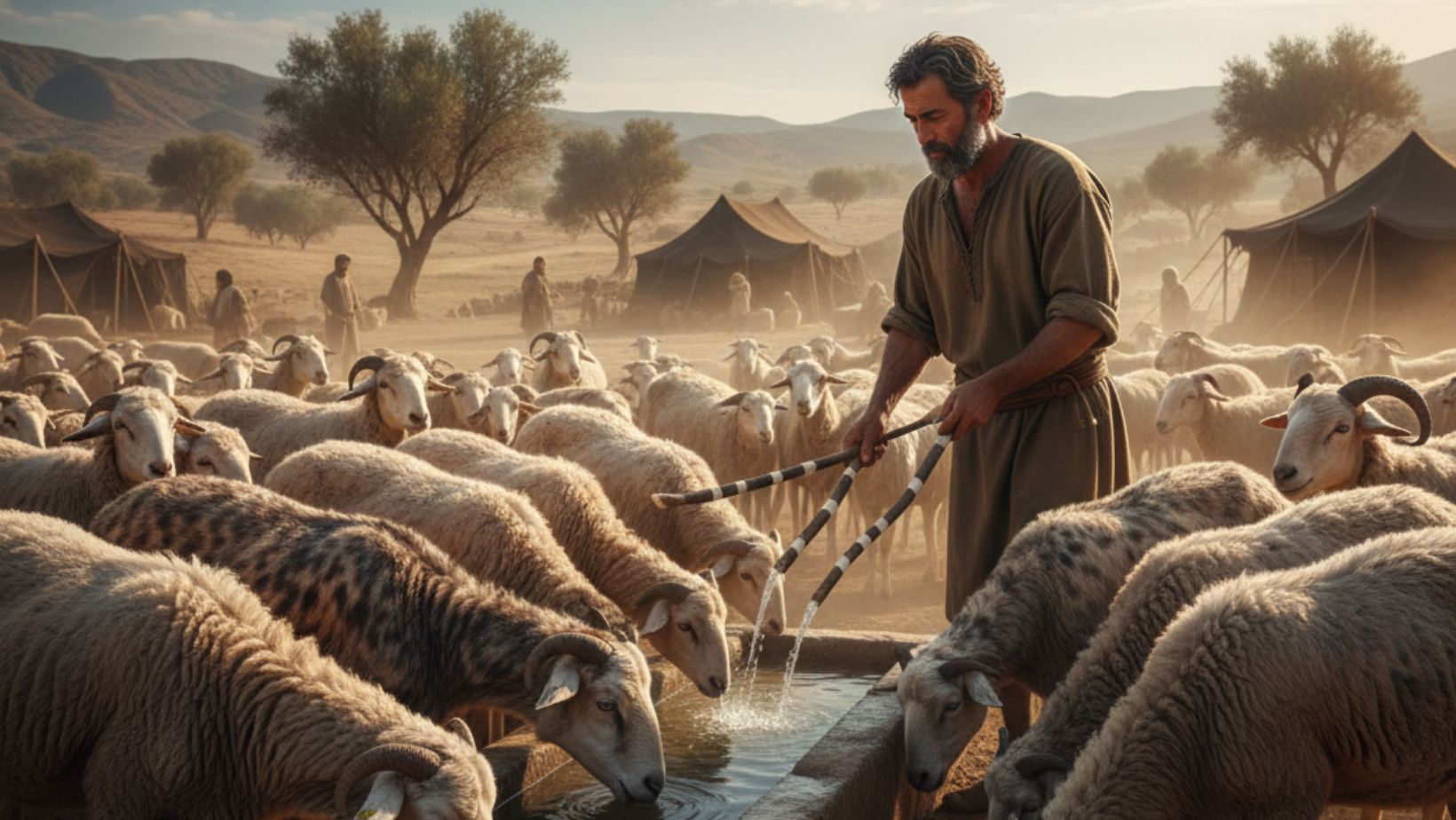
Genesis 30
Amidst a bitter rivalry between Leah and Rachel involving surrogate servants and mandrakes to produce twelve children, Jacob negotiates a wage of speckled sheep from Laban and, through a unique breeding method and God’s blessing, transfers Laban’s wealth to himself.
-
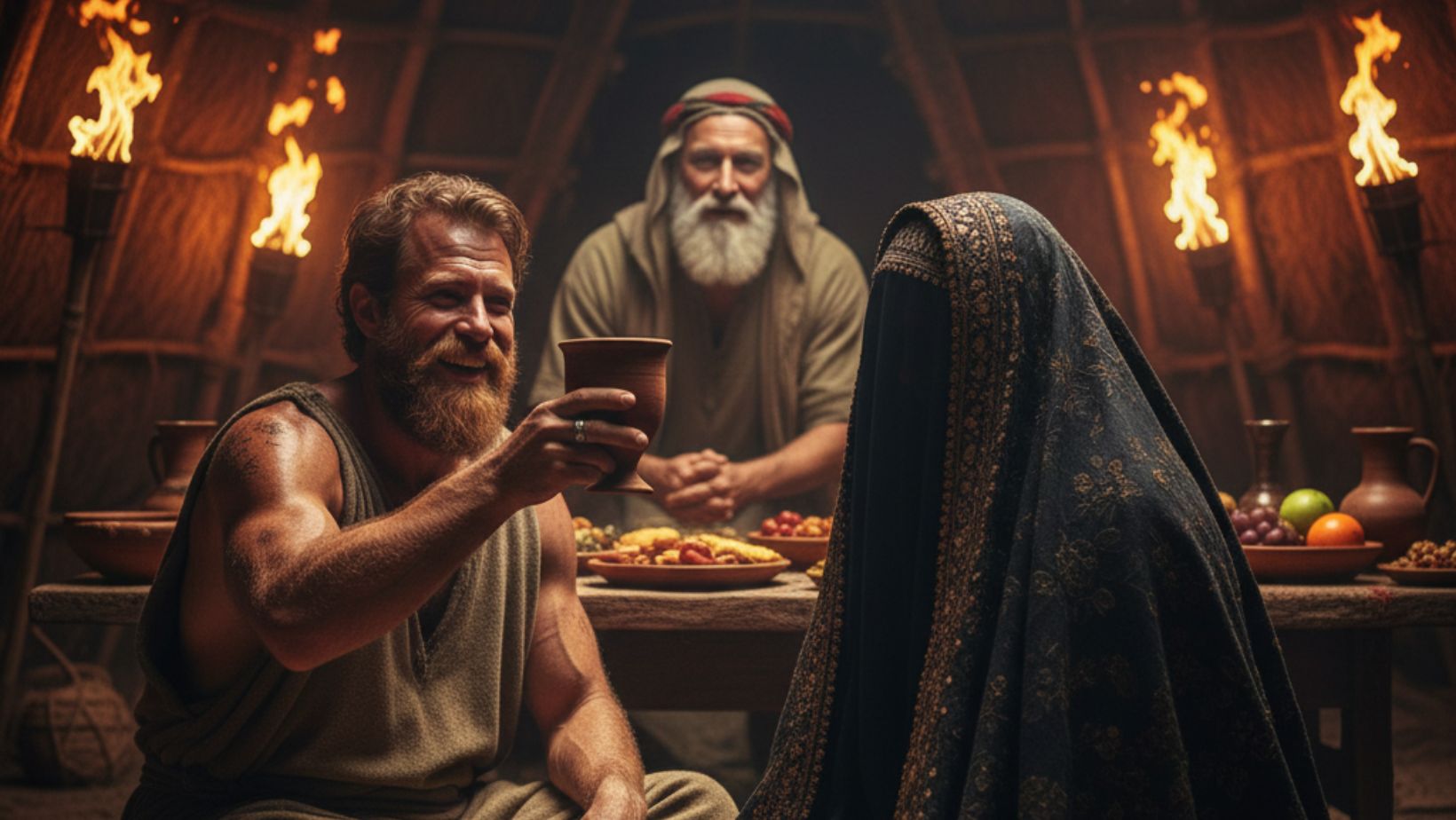
Genesis 29
Jacob arrives in Haran and agrees to work seven years for Rachel, but is tricked by Laban into marrying Leah first; despite the deception, God blesses the unloved Leah with four sons—including Judah—beginning the building of the tribes of Israel.
-

Genesis 28
Fleeing from Esau and sent away by Isaac, Jacob travels to Bethel where he receives a vision of a stairway connecting heaven and earth, resulting in God confirming the Covenant to him and Jacob vowing to make Yahweh his God.
-
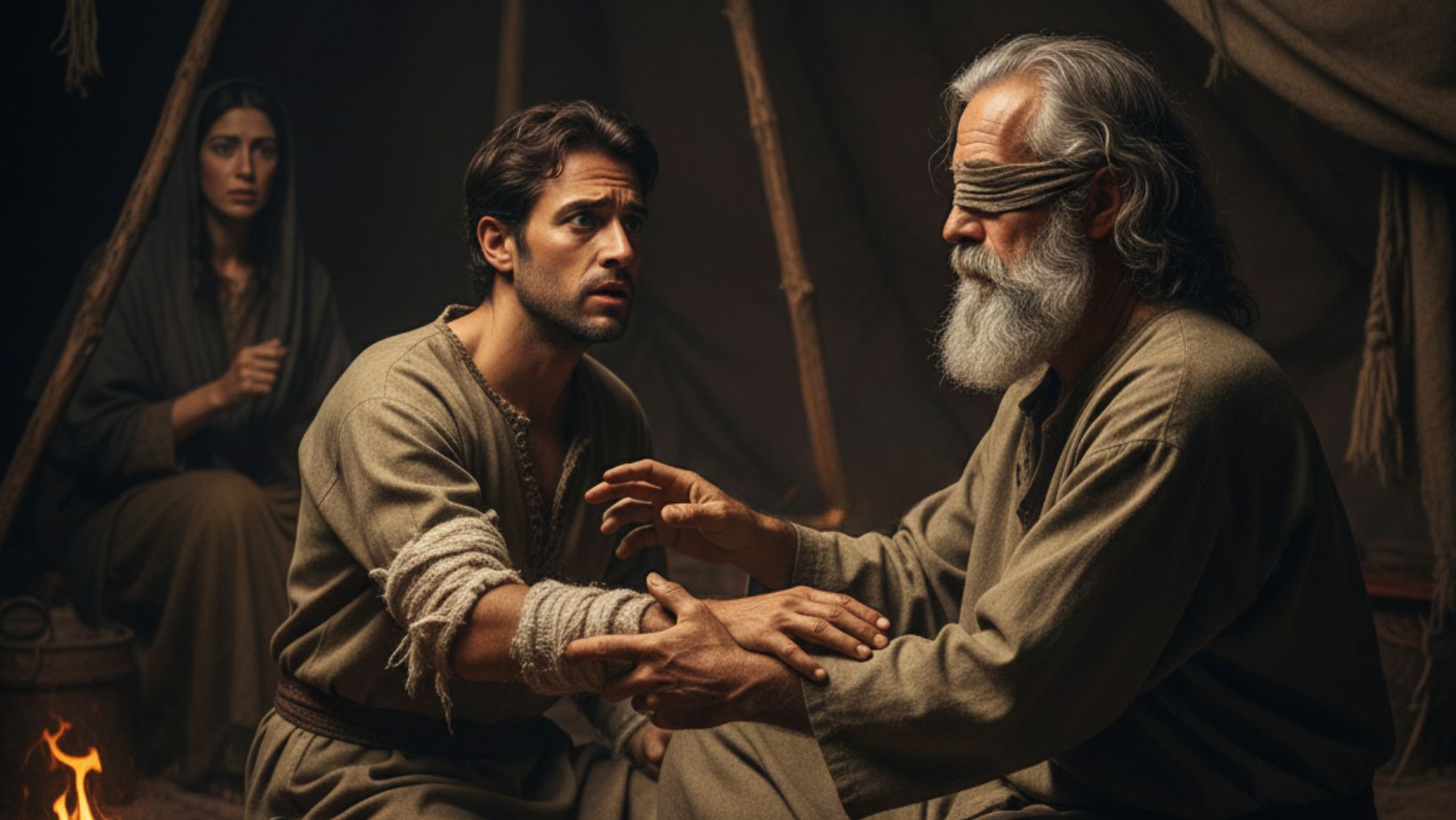
Genesis 27
Instigated by his mother Rebekah, Jacob disguises himself as Esau to deceive his blind father Isaac, successfully stealing the patriarchal blessing, which leads to Esau’s vow of murder and Jacob’s forced exile to Haran.
-
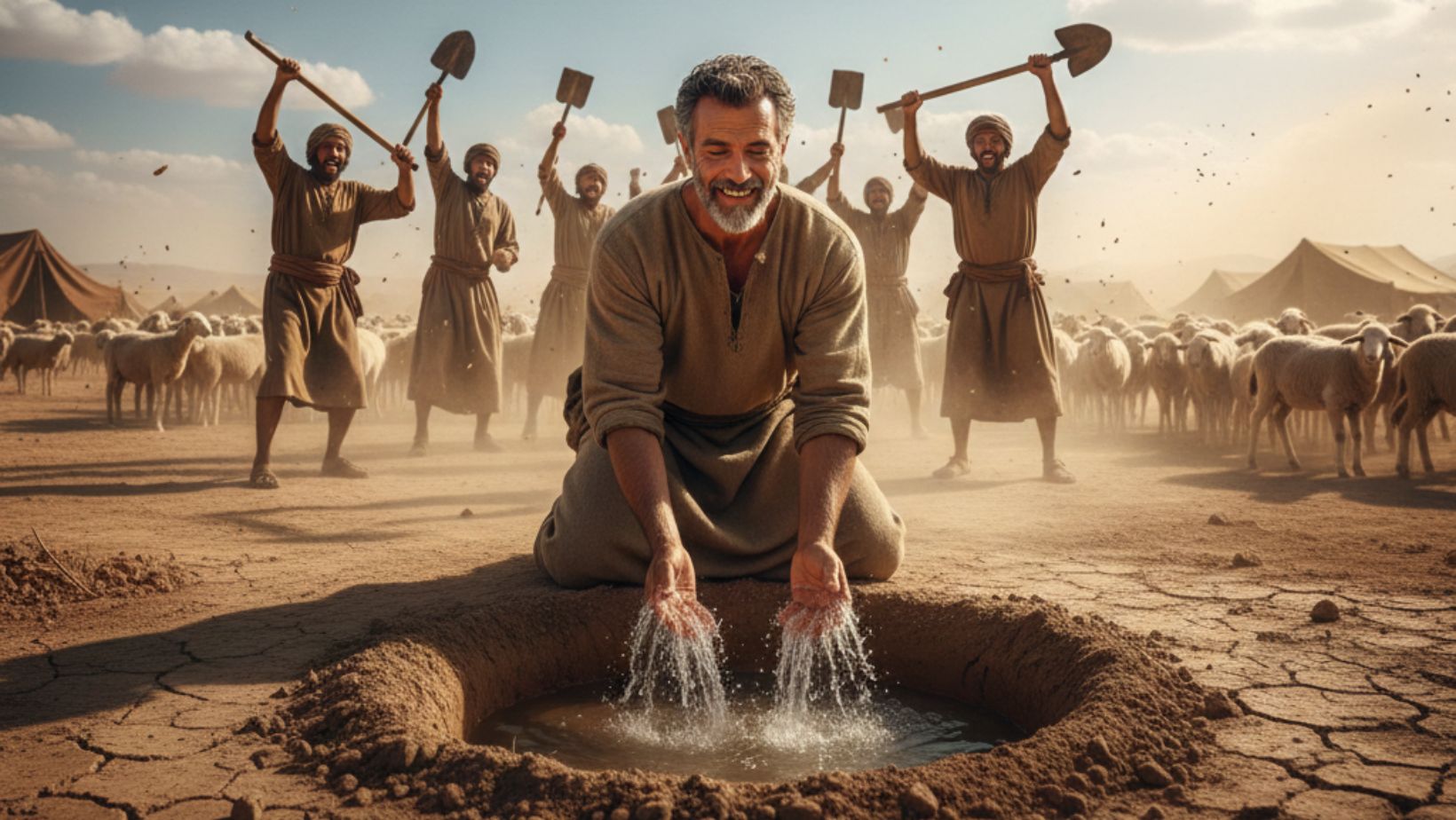
Genesis 26
During a severe famine, Isaac stays in Gerar where God blesses him with immense wealth, but after conflicts with envious Philistines over water rights, Isaac demonstrates meekness by moving until he finds peace at Rehoboth and Beersheba, where God renews the covenant.
-
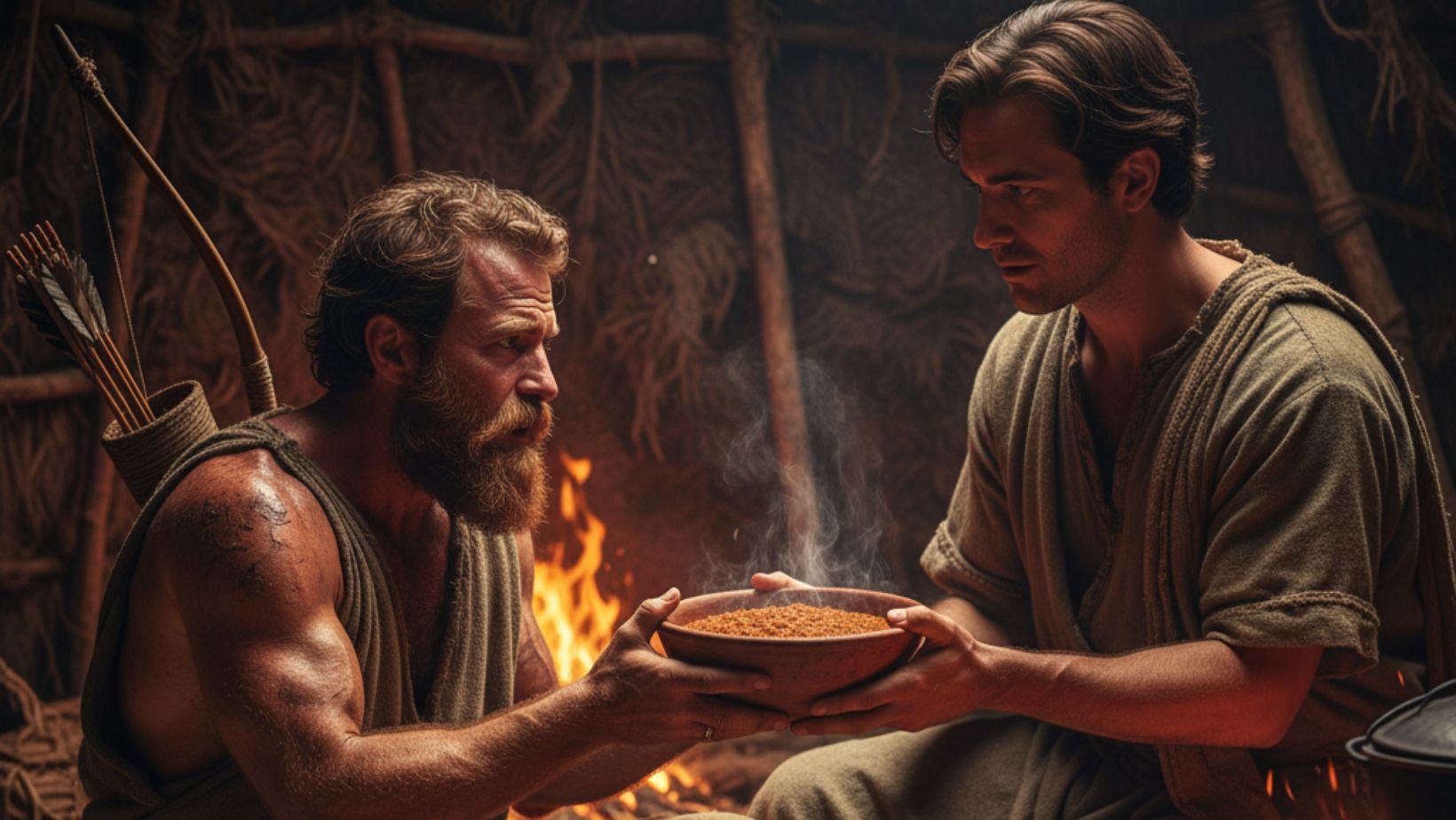
Genesis 25
After Abraham’s death and the settling of Ishmael’s tribes, the narrative focuses on the birth of Isaac’s twin sons, Jacob and Esau, where God predicts the older will serve the younger—a prophecy fulfilled when Esau despises his birthright, selling it to Jacob for a bowl of stew.
-
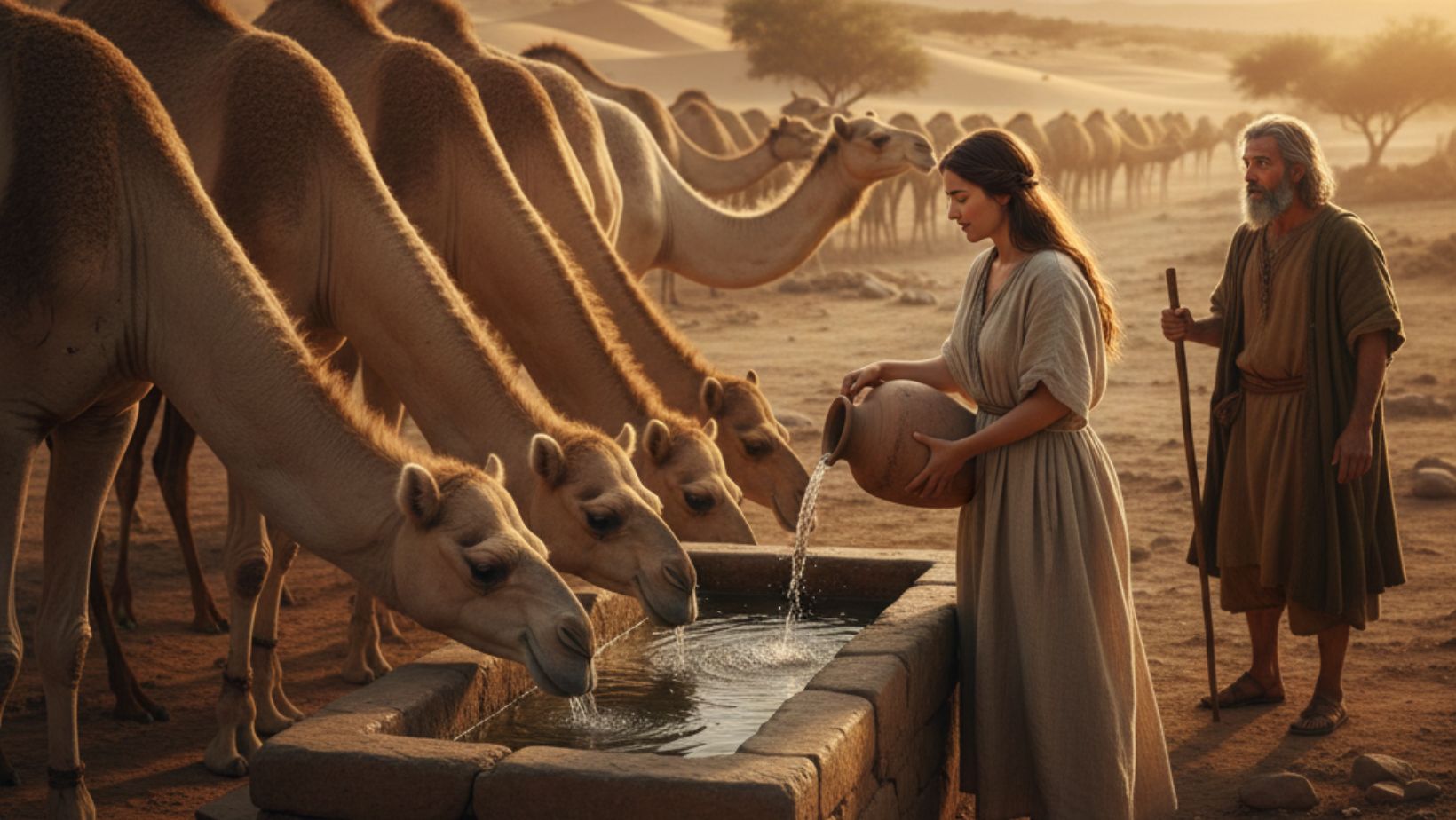
Genesis 24
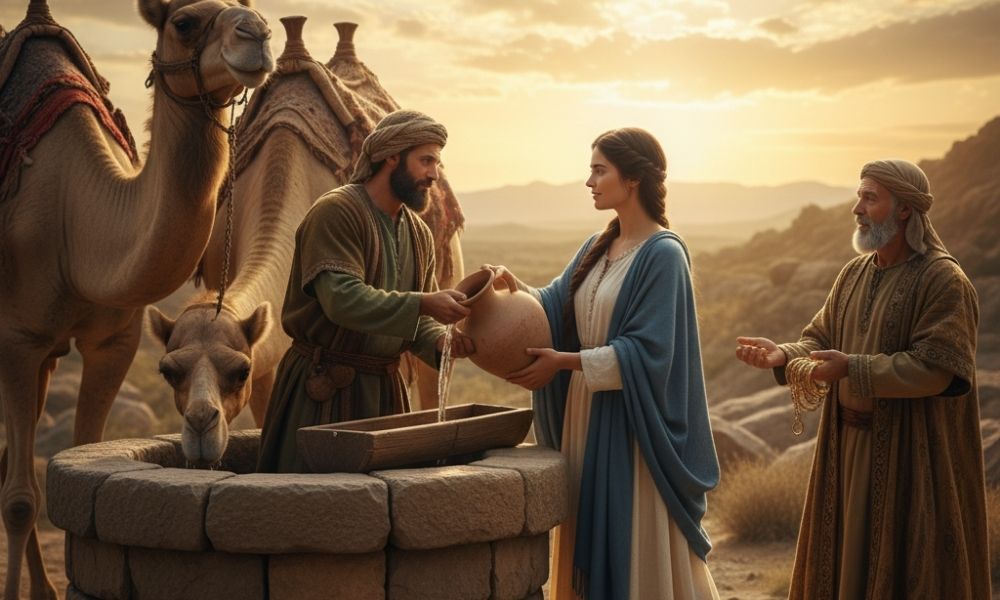
Abraham commissions his servant to find a wife for Isaac from his own people, leading to a providentially guided journey where the servant meets Rebekah, who demonstrates her character and faith by leaving her home to marry Isaac, securing the covenant line.
-
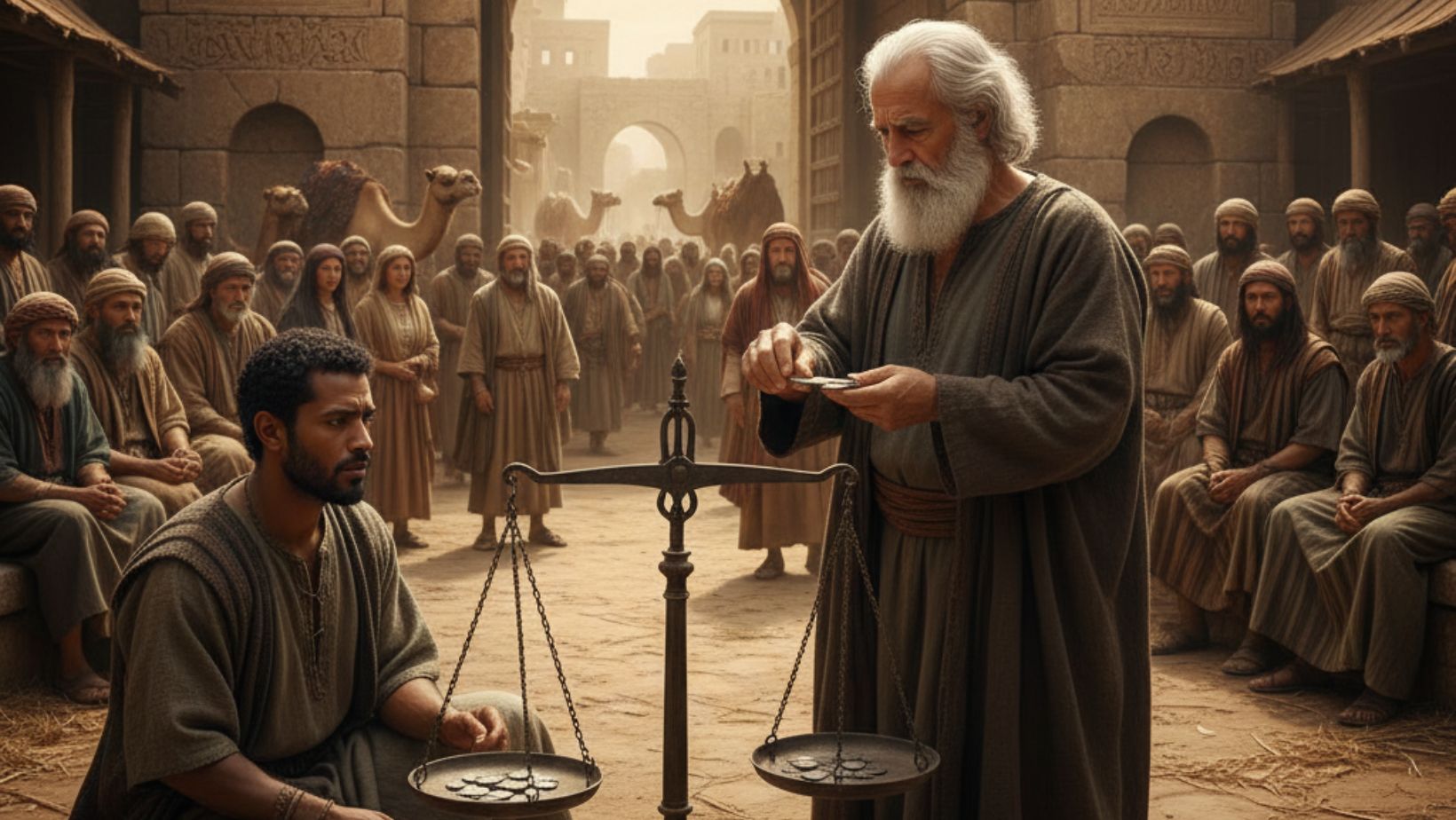
Genesis 23
Following Sarah’s death at 127, Abraham insists on purchasing the Cave of Machpelah in Hebron from Ephron the Hittite at a premium price, securing the first legal possession of the Promised Land as a family burial site.
-
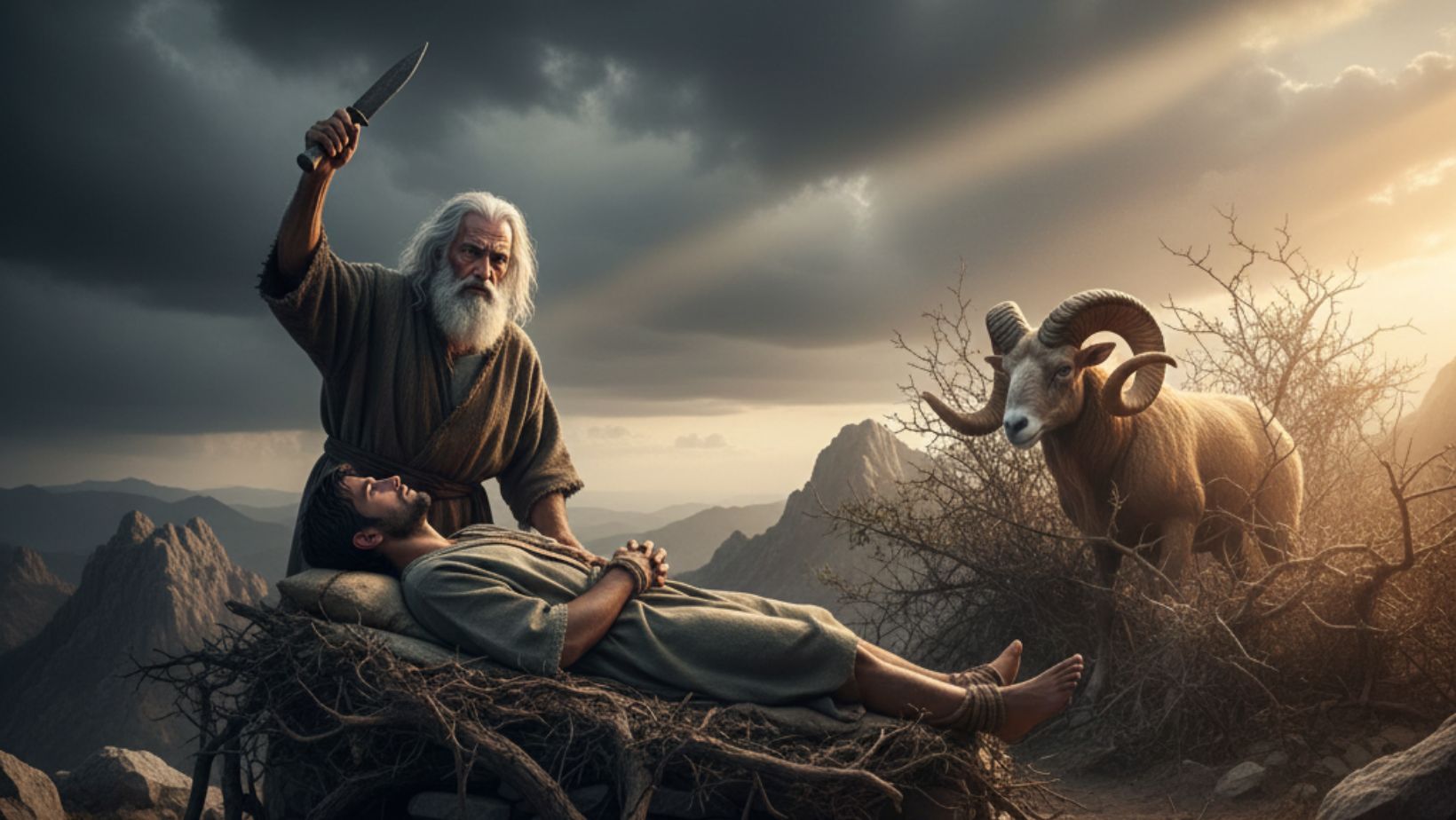
Genesis 22
God tests Abraham’s faith by commanding him to sacrifice his beloved son Isaac on Mount Moriah, but intervenes at the last moment by providing a ram as a substitute, thereby confirming the covenant and revealing Himself as Jehovah Jireh.
-
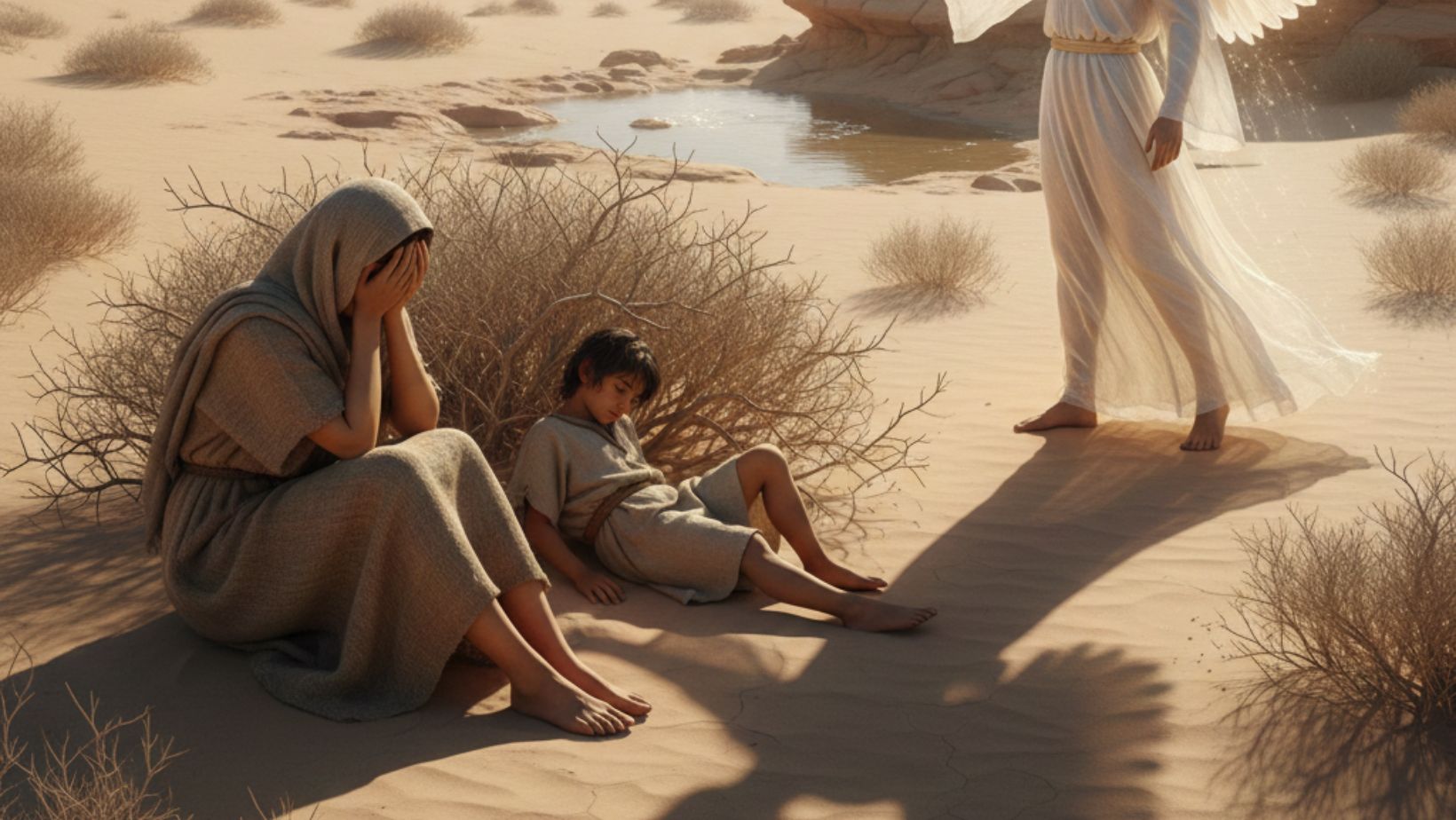
Genesis 21
God faithfully fulfills His promise to Abraham and Sarah through the birth of Isaac, sustains the outcast Hagar and Ishmael in the wilderness, and establishes Abraham as a respected leader through a covenant at Beersheba.
Bible Characters

-
Jonathan
Jonathan was the valiant crown prince of Israel who chose loyalty to God’s anointed over his own ambition, becoming the Bible’s ultimate example of sacrificial friendship.
-
Michal
Michal was the daughter of King Saul who saved David’s life out of love but ultimately ended her life in barren isolation because she valued royal dignity over humble worship.
-
Abner
Abner was the powerful commander of Saul’s army who, after a long rivalry with David, sought to unite all Israel under David’s crown before being tragically assassinated by Joab.
Biblical Events

-
Jonathan
Jonathan was the valiant crown prince of Israel who chose loyalty to God’s anointed over his own ambition, becoming the Bible’s ultimate example of sacrificial friendship.
-
Michal
Michal was the daughter of King Saul who saved David’s life out of love but ultimately ended her life in barren isolation because she valued royal dignity over humble worship.
-
Abner
Abner was the powerful commander of Saul’s army who, after a long rivalry with David, sought to unite all Israel under David’s crown before being tragically assassinated by Joab.
Bible Locations

-
The City of David
The City of David is the ancient, fortified ridge where King David established his capital, serving as the historical seed from which Jerusalem grew and the spiritual center of the Israelite kingdom.
-
Mahanaim
Mahanaim, meaning “Two Camps,” was the historic fortress city east of the Jordan where Jacob met angels and where kings Ishbosheth and David found refuge during Israel’s greatest civil wars.
-
Jabesh-gilead
Jabesh-gilead was a city defined by a legacy of survival and fierce loyalty, best known for the valiant night raid to retrieve the bodies of King Saul and his sons from Philistine desecration.
