

The Book of Genesis
-
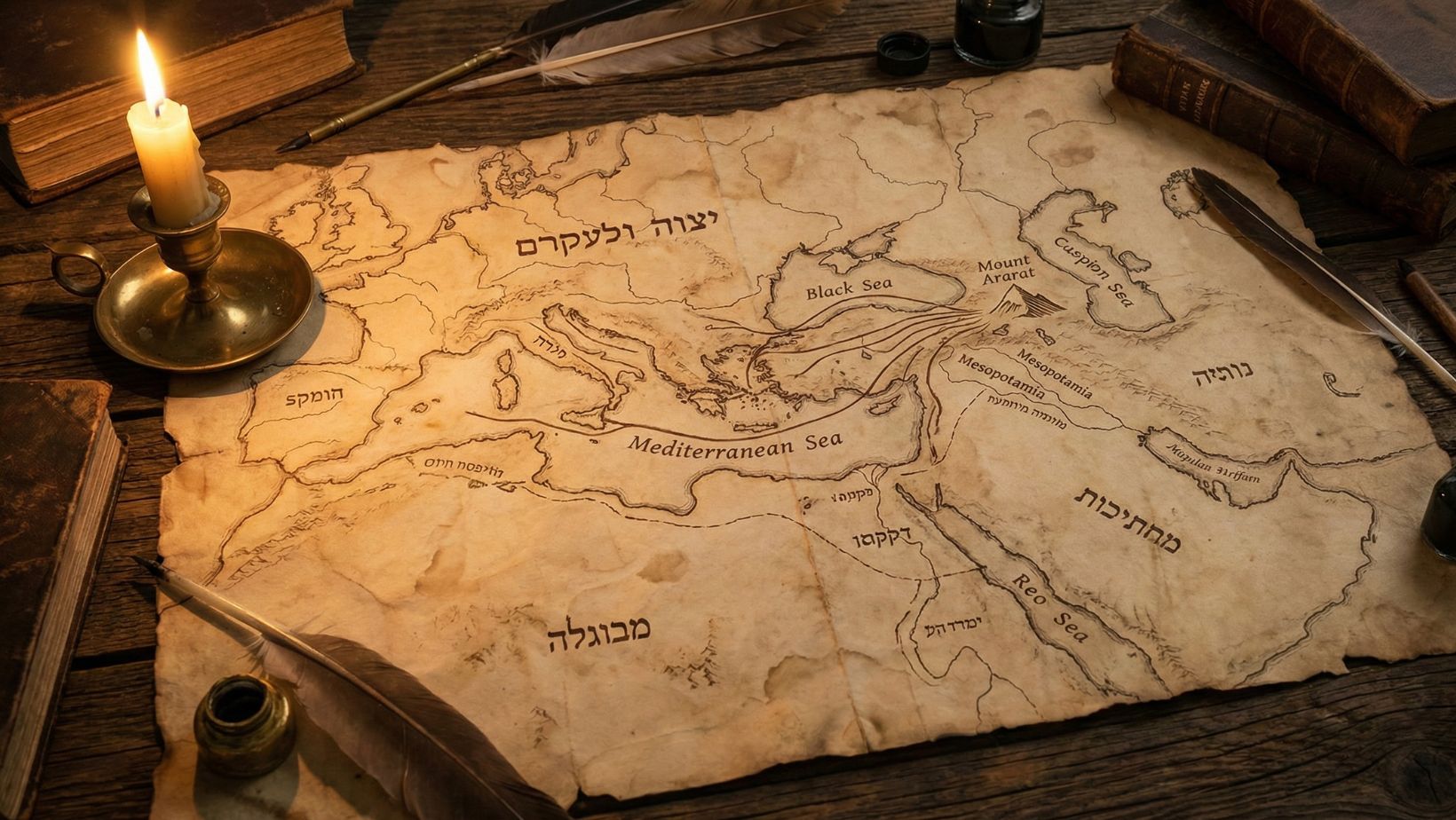
Genesis 10
Genesis 10 catalogs the seventy nations descended from Noah’s three sons, establishing the ethnological and geographical context for the rise of Babylon and the call of Abraham.
-
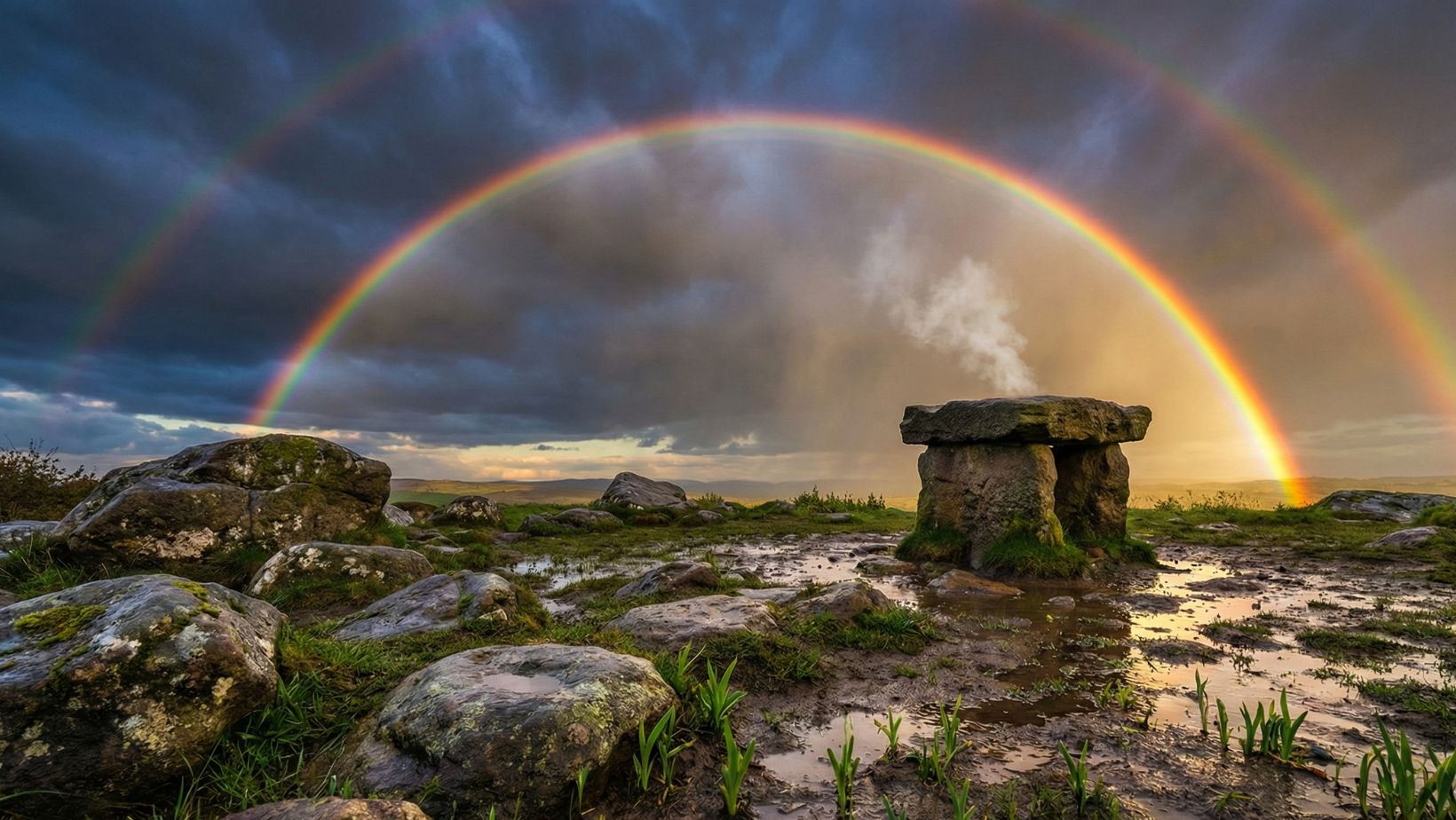
Genesis 9
God establishes a covenant with Noah sealed by the rainbow and renews the mandate to multiply, but the chapter ends with Noah’s shameful drunkenness and a prophetic curse upon Canaan, revealing that sin survived the Flood.
-
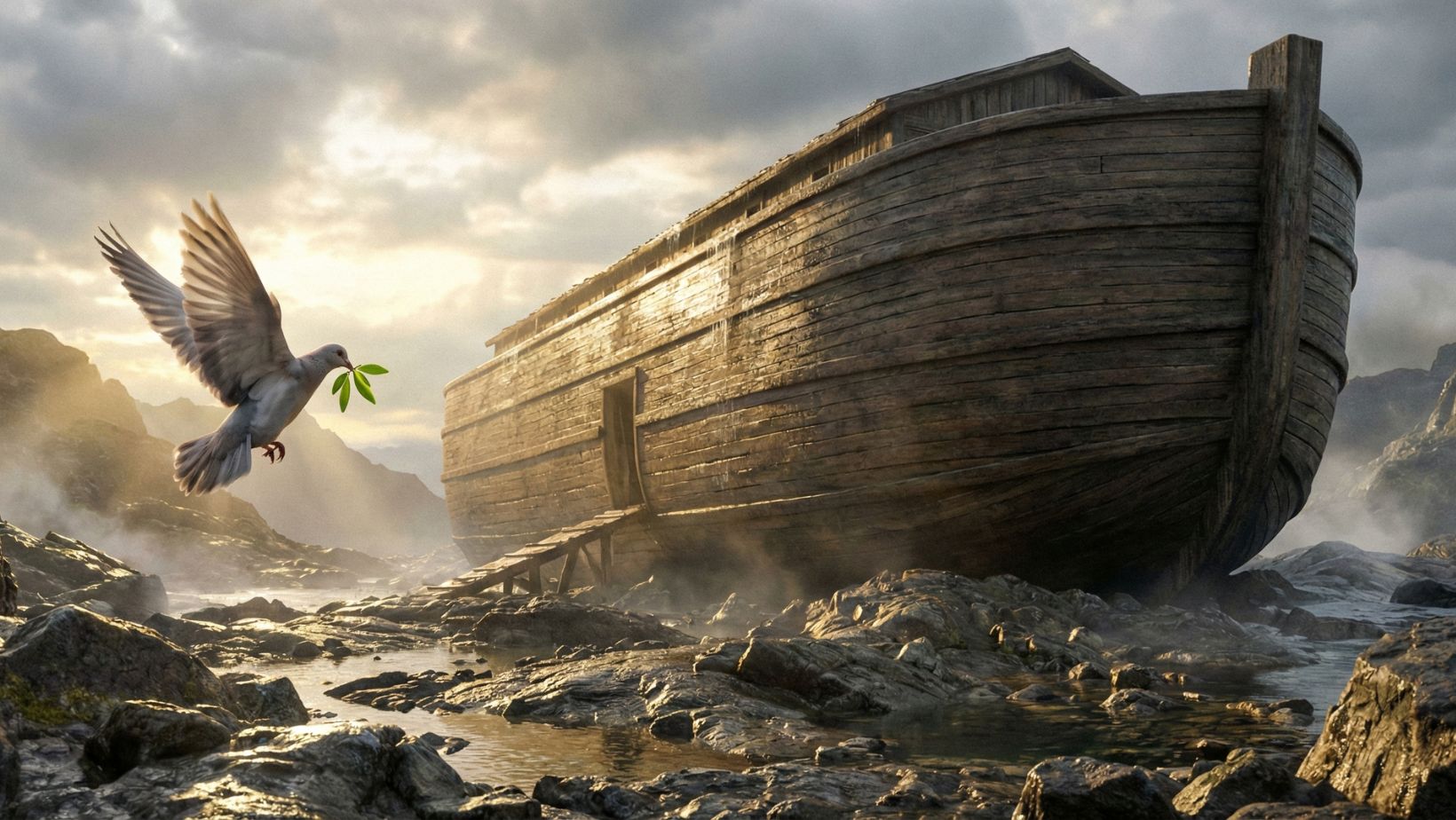
Genesis 8
As the floodwaters recede, God remembers Noah, who patiently waits for the earth to dry before exiting the Ark to offer a sacrifice that secures God’s promise to never again destroy the world by water.
-
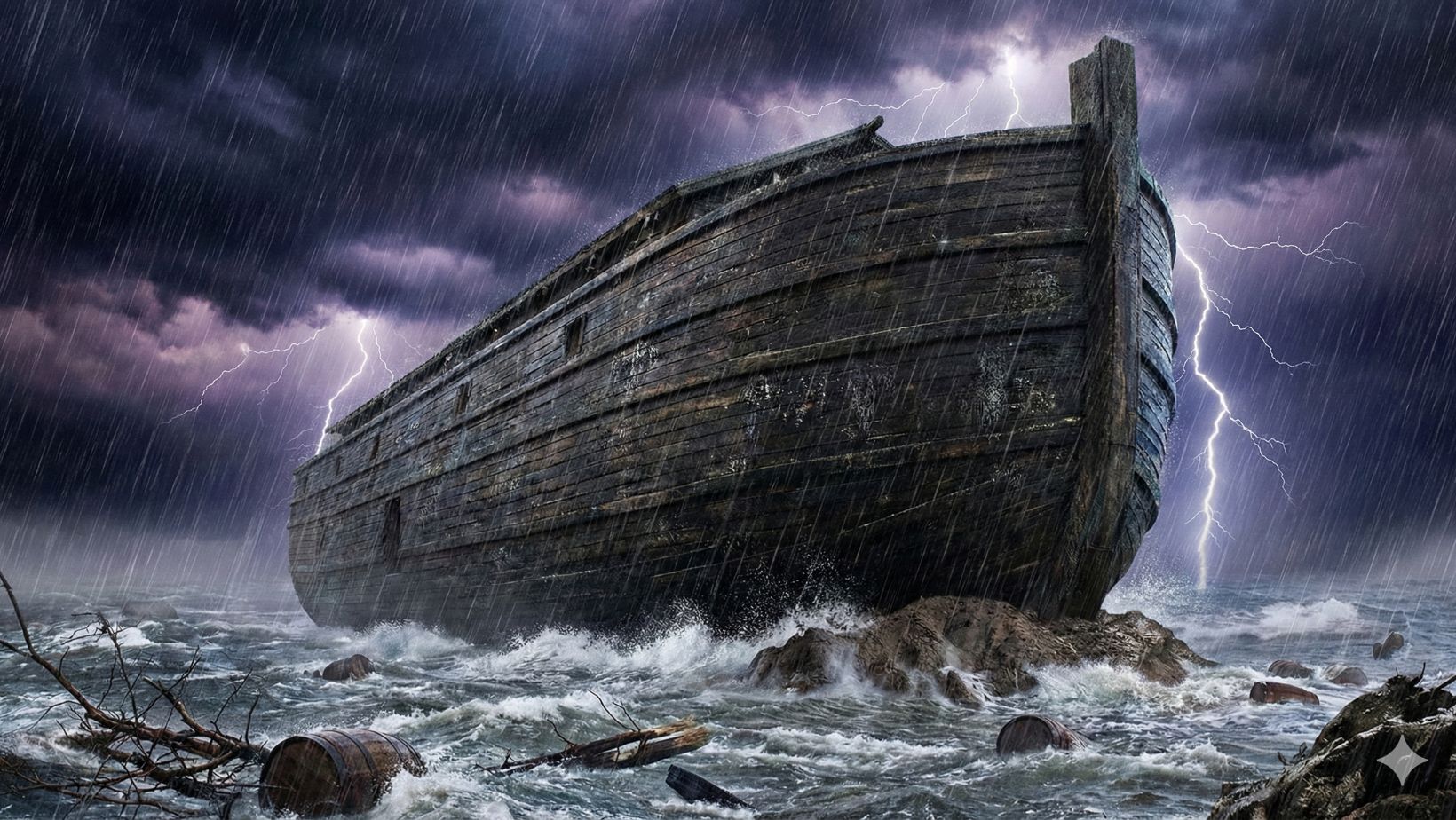
Genesis 7
In obedience to God’s command, Noah and his family enter the Ark just before the fountains of the deep burst open, unleashing a global flood that destroys all life on earth while lifting the Ark to safety.
-
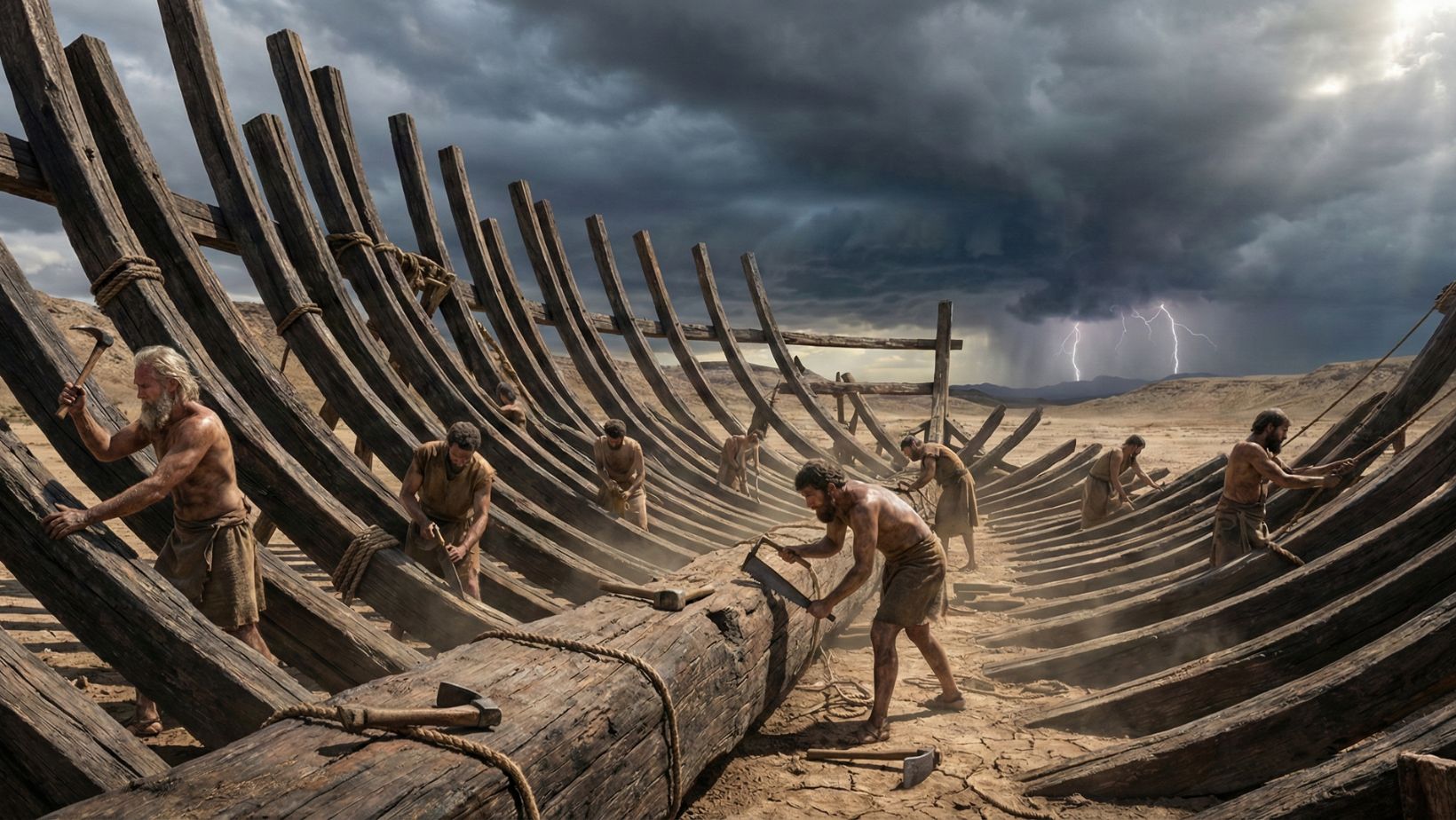
Genesis 6
Grieved by the total corruption and violence of humanity, God resolves to destroy the world with a flood but extends grace to Noah, commissioning him to build an Ark to preserve life.
-
Genesis 5
Genesis 5 traces the genealogy from Adam to Noah, emphasizing the inevitable reality of death while highlighting the hope of walking with God through the example of Enoch.
-
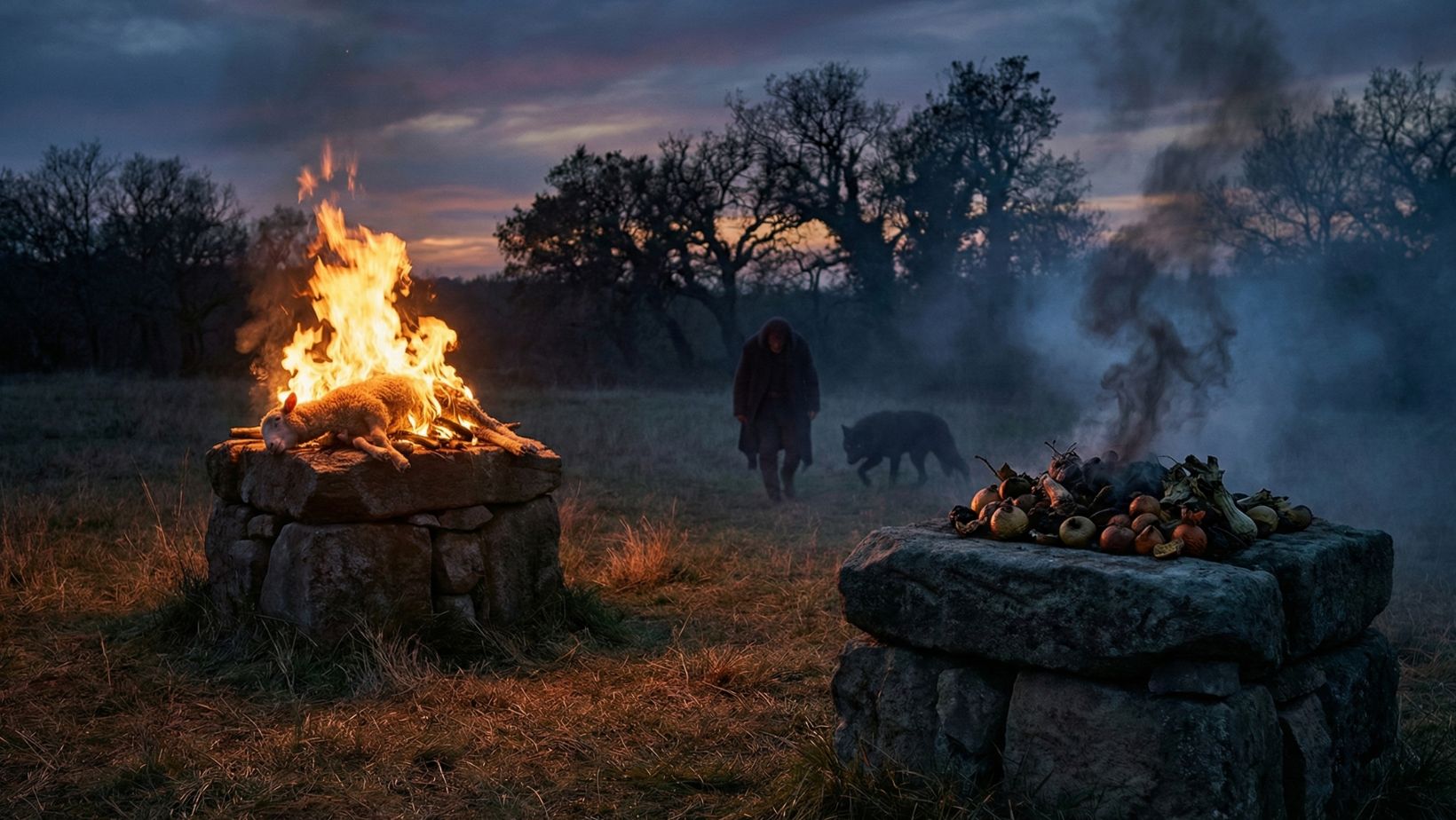
Genesis 4
Genesis 4 recounts the first murder where Cain kills Abel out of envy, the subsequent rise of godless civilization through Cain’s line, and the restoration of hope and worship through the birth of Seth.
-
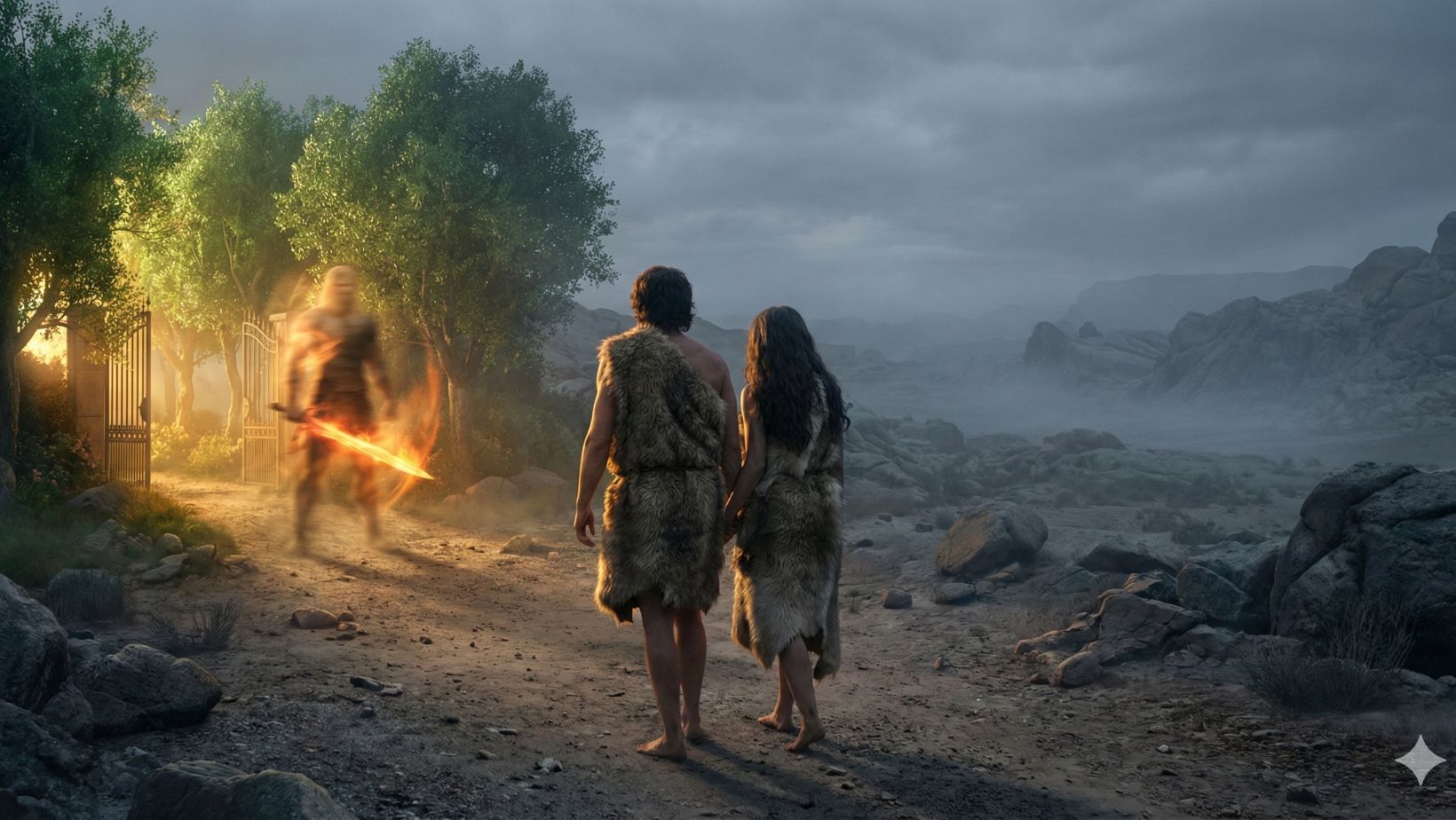
Genesis 3
Genesis 3 narrates the temptation and fall of humanity, detailing the entrance of sin and death into the world, the subsequent curses on creation, and God’s merciful promise of a future Redeemer.
-

Genesis 2
Genesis 2 details the intimate creation of man and woman, their placement in the Garden of Eden, the institution of work and marriage, and the establishment of the moral boundaries necessary for relationship with God.
-

Genesis 1
God sovereignly speaks the universe into existence over six days, transforming chaos into order and culminating in the creation of humanity to reflect His image and steward His very good creation.
Bible Characters

-
Jonathan
Jonathan was the valiant crown prince of Israel who chose loyalty to God’s anointed over his own ambition, becoming the Bible’s ultimate example of sacrificial friendship.
-
Michal
Michal was the daughter of King Saul who saved David’s life out of love but ultimately ended her life in barren isolation because she valued royal dignity over humble worship.
-
Abner
Abner was the powerful commander of Saul’s army who, after a long rivalry with David, sought to unite all Israel under David’s crown before being tragically assassinated by Joab.
Biblical Events

-
Jonathan
Jonathan was the valiant crown prince of Israel who chose loyalty to God’s anointed over his own ambition, becoming the Bible’s ultimate example of sacrificial friendship.
-
Michal
Michal was the daughter of King Saul who saved David’s life out of love but ultimately ended her life in barren isolation because she valued royal dignity over humble worship.
-
Abner
Abner was the powerful commander of Saul’s army who, after a long rivalry with David, sought to unite all Israel under David’s crown before being tragically assassinated by Joab.
Bible Locations

-
The City of David
The City of David is the ancient, fortified ridge where King David established his capital, serving as the historical seed from which Jerusalem grew and the spiritual center of the Israelite kingdom.
-
Mahanaim
Mahanaim, meaning “Two Camps,” was the historic fortress city east of the Jordan where Jacob met angels and where kings Ishbosheth and David found refuge during Israel’s greatest civil wars.
-
Jabesh-gilead
Jabesh-gilead was a city defined by a legacy of survival and fierce loyalty, best known for the valiant night raid to retrieve the bodies of King Saul and his sons from Philistine desecration.
