


The Second Book of Samuel
-
2 Samuel 24
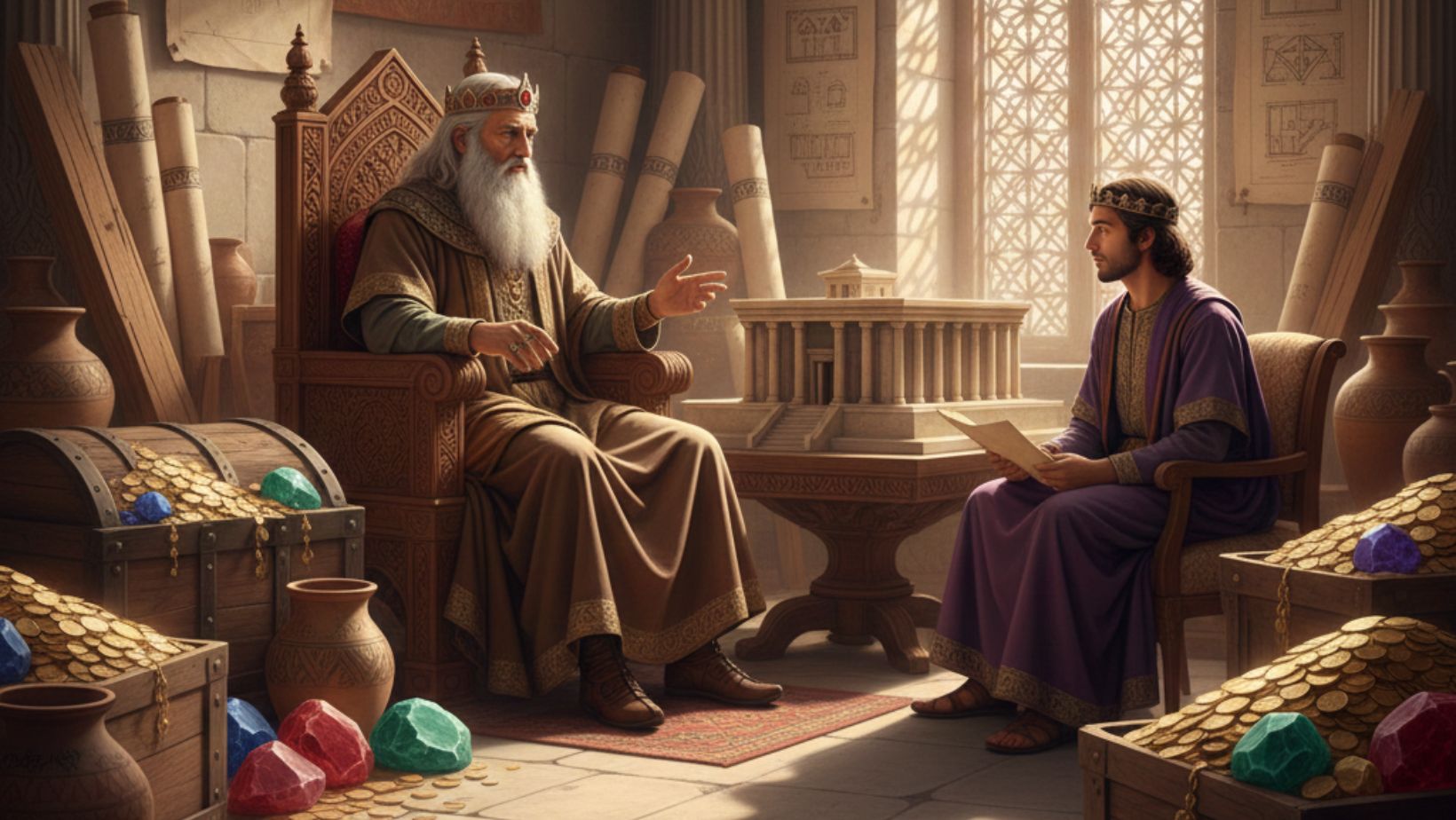
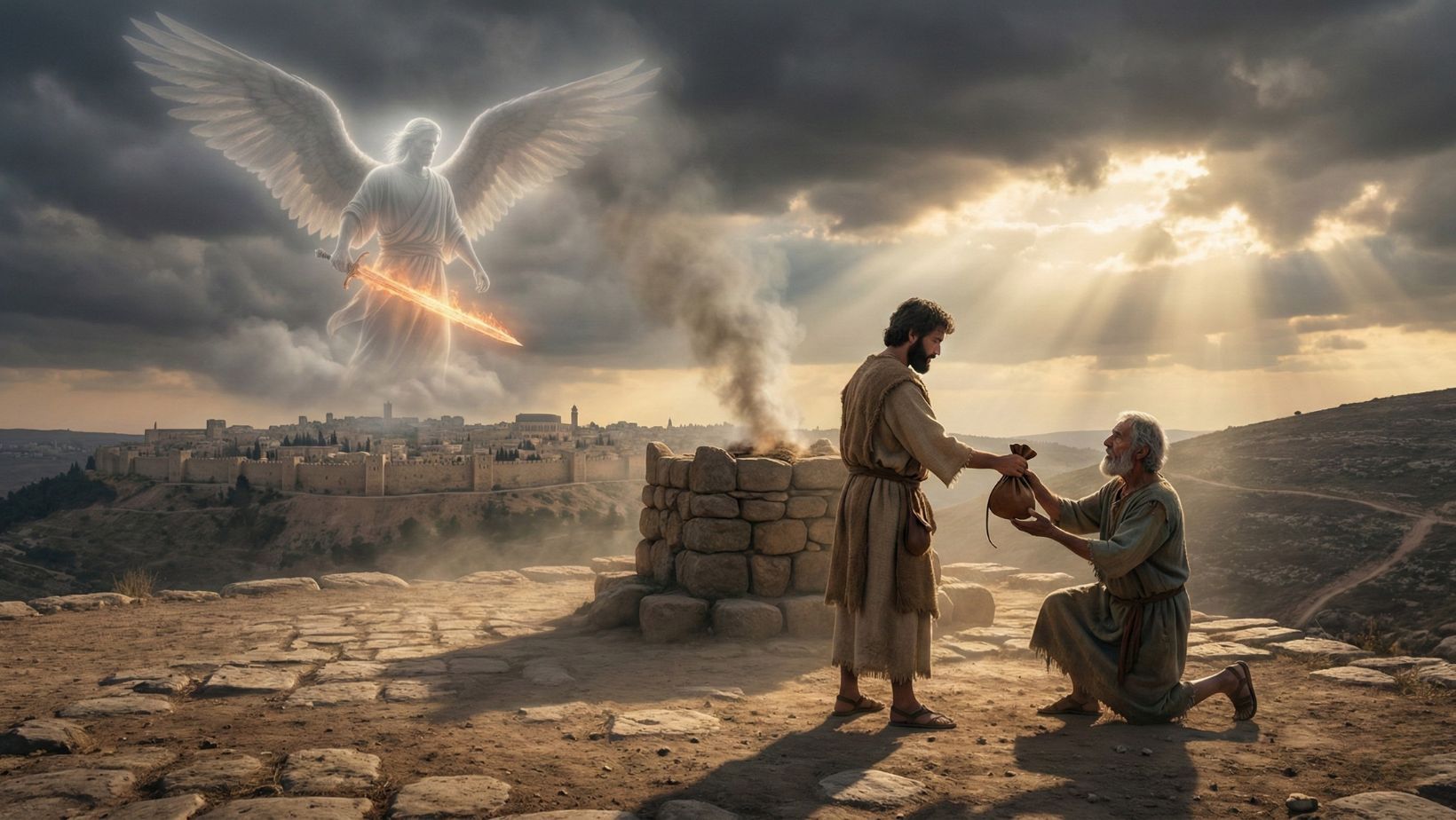
David’s prideful decision to take a military census invites divine judgment in the form of a plague, which is halted only when David purchases the threshing floor of Araunah to offer a costly sacrifice, securing the site for the future Temple.
-
2 Samuel 23
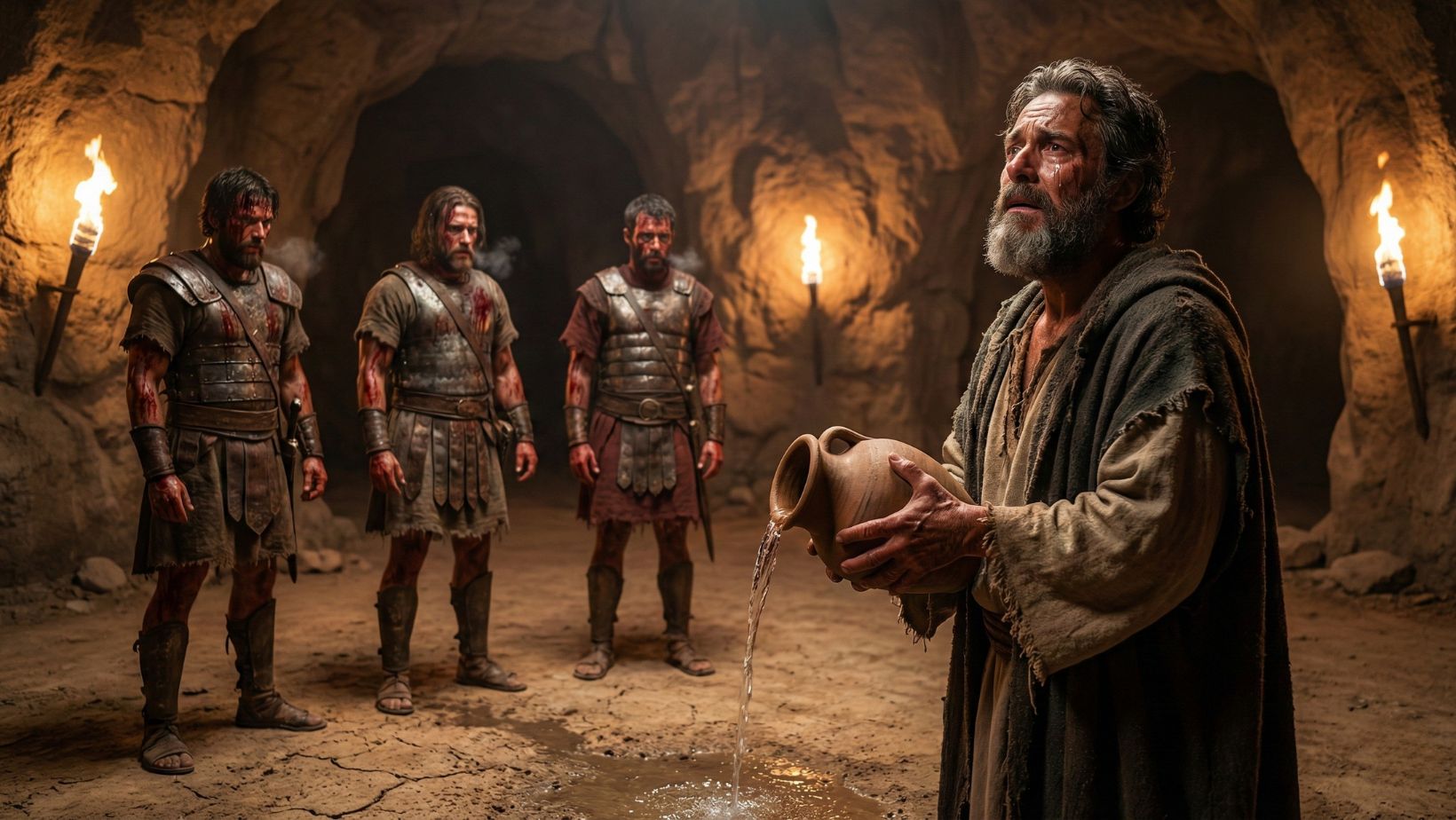
In his final poetic oracle, David celebrates the everlasting covenant and the ideal of righteous kingship, followed by a roster of his mighty warriors whose heroic exploits—from killing giants to defending fields—built the kingdom, concluding with the convicting mention of Uriah the Hittite.
-
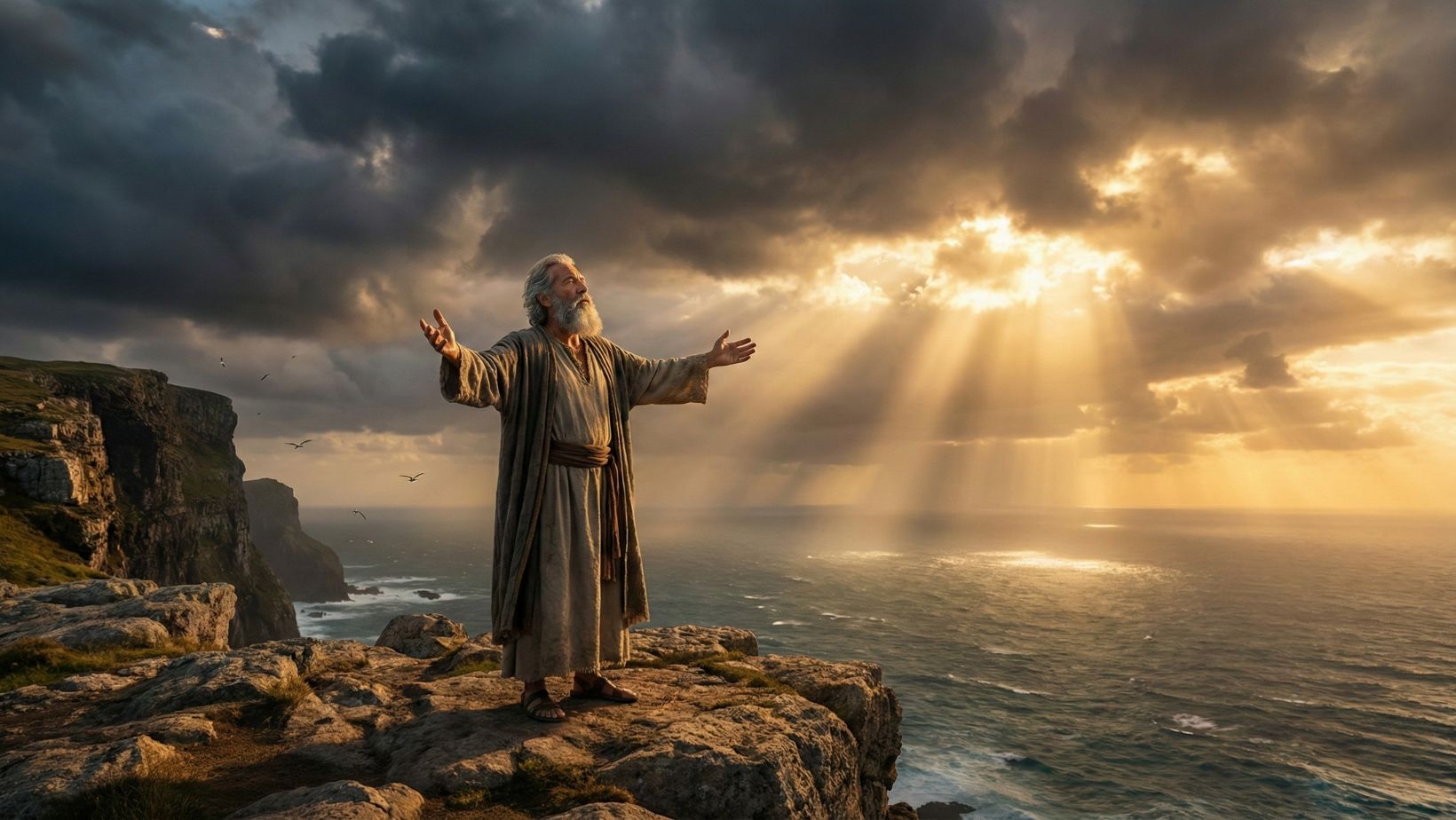
2 Samuel 22
Near the end of his life, David sings a majestic song of praise (parallel to Psalm 18), declaring the Lord as his Rock and Deliverer who dramatically rescued him from all his enemies because He delighted in him.
-
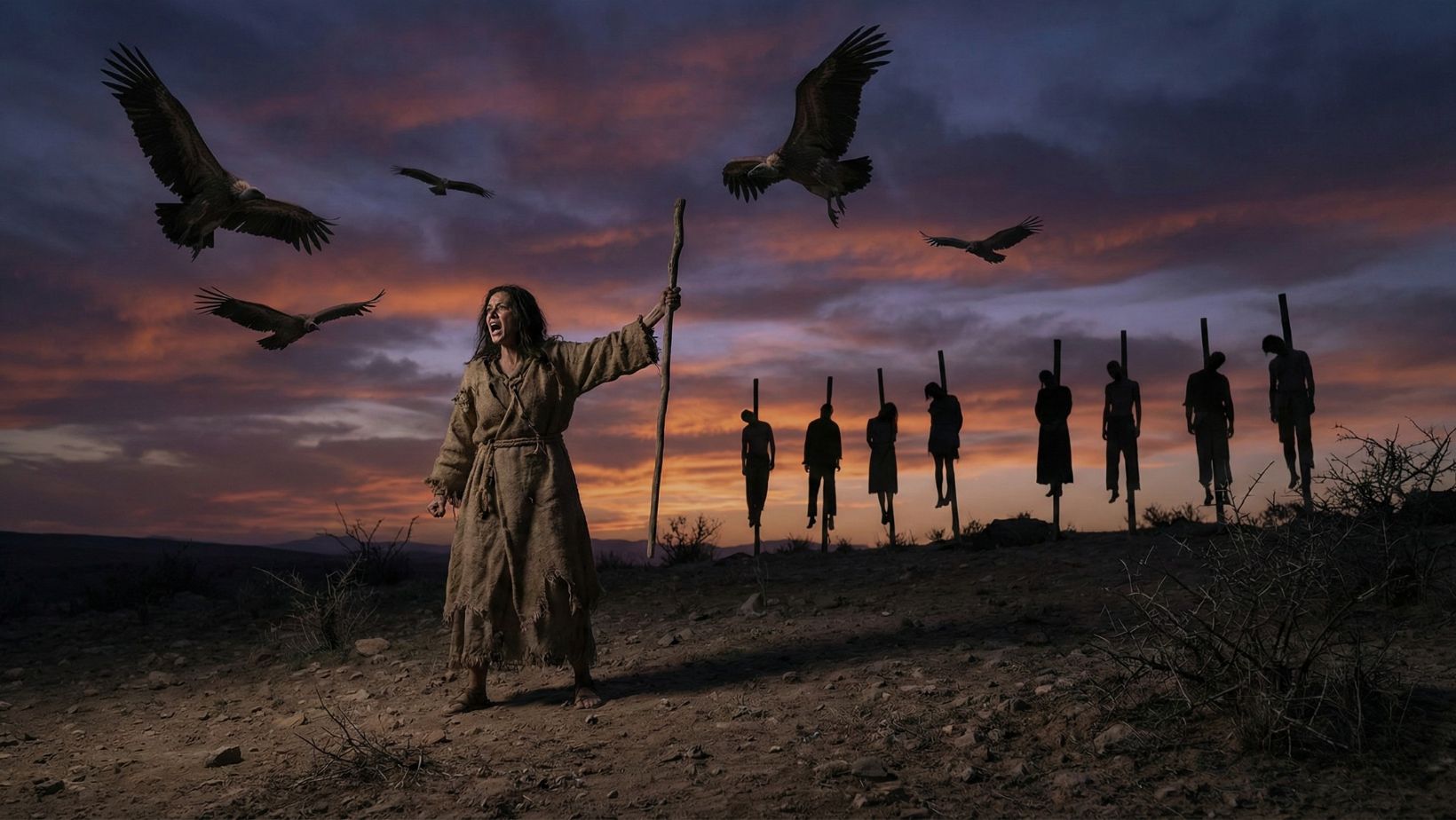
2 Samuel 21
To end a three-year famine caused by Saul’s broken treaty, David hands over seven of Saul’s sons to the Gibeonites for execution—prompting Rizpah’s moving vigil—and later retires from battle after his Mighty Men defeat four Philistine giants.
-
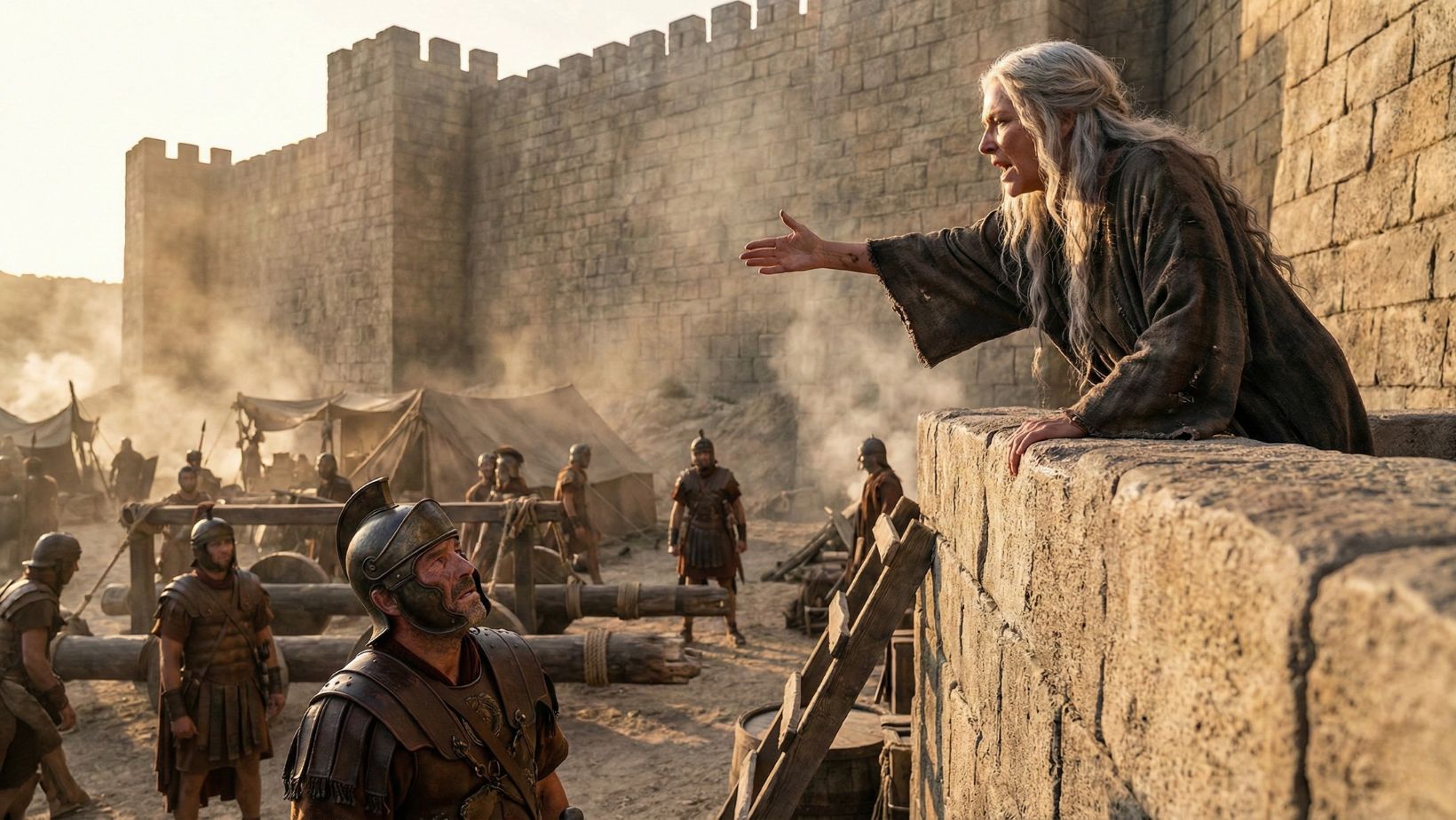
2 Samuel 20
The rebellion of Sheba threatens to fracture the kingdom again, but Joab violently reclaims control by murdering his rival Amasa and besieging the rebel at Abel Beth-maacah, where a wise woman negotiates peace by delivering Sheba’s head.
-
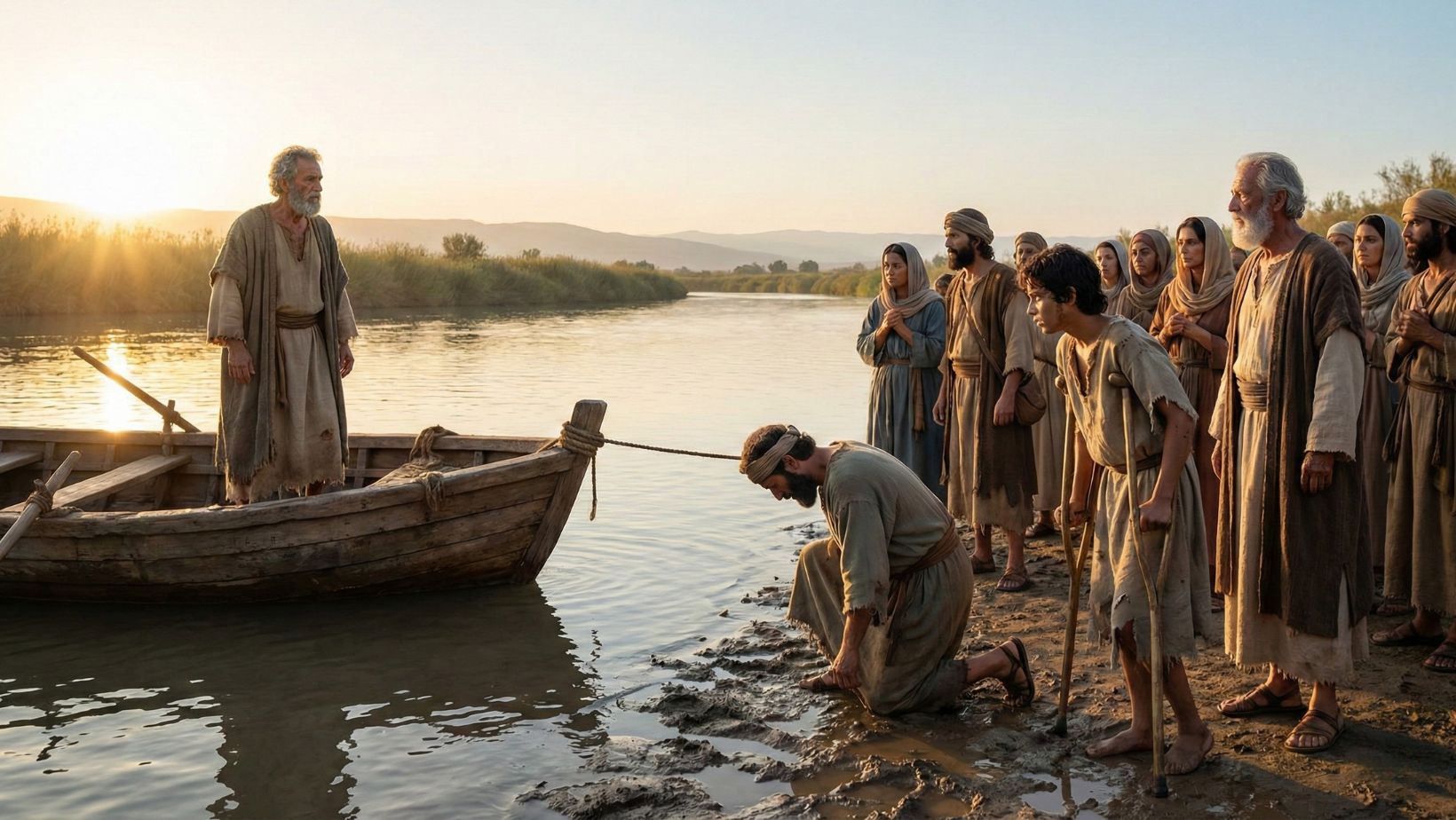
2 Samuel 19
David sets aside his grief to secure his throne, navigating a complex return to Jerusalem by pardoning enemies, restoring friends, and appointing a new general, yet his return is marred by growing jealousy between the tribes of Israel and Judah.
-
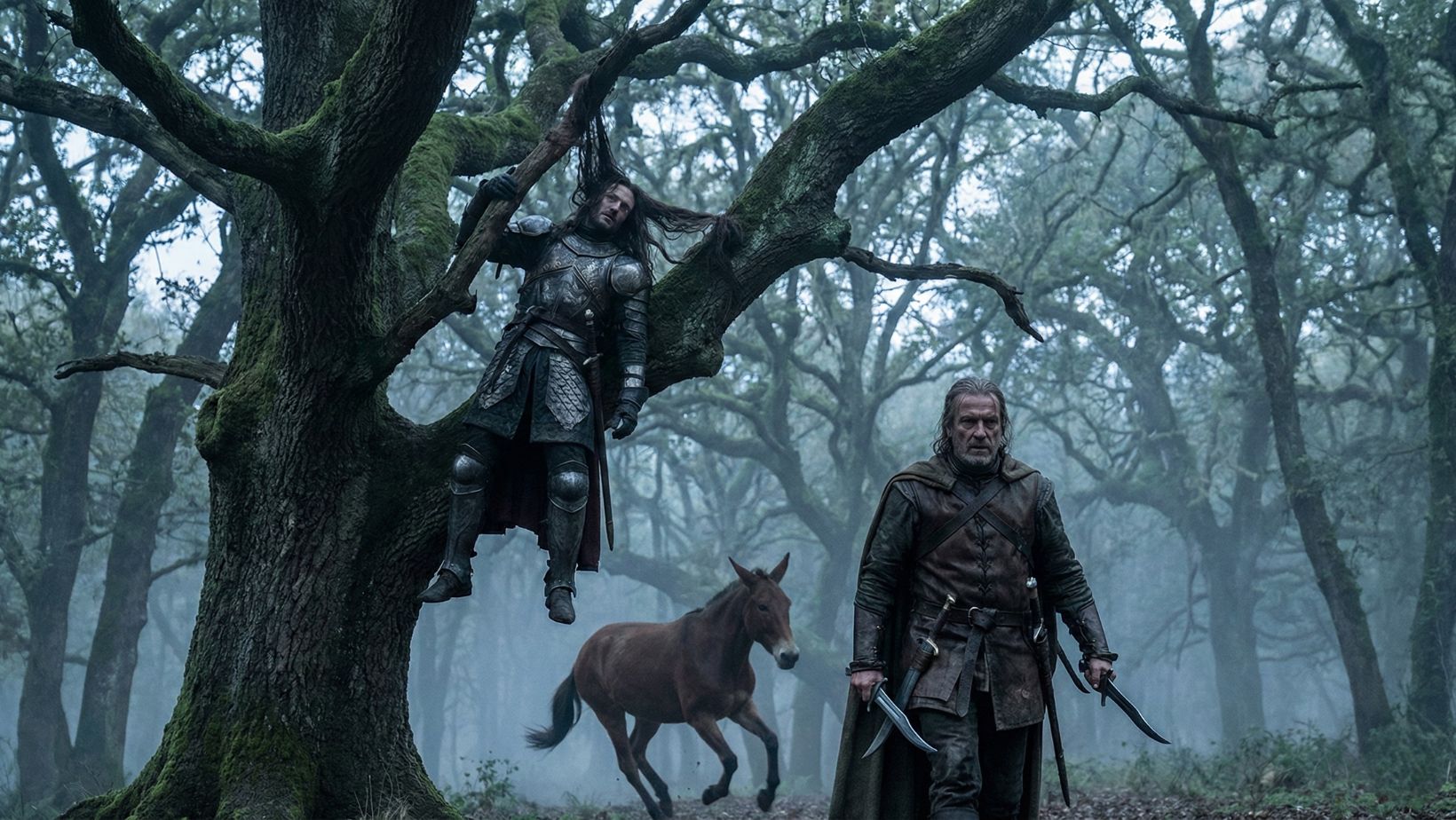
2 Samuel 18
In the Forest of Ephraim, David’s army crushes the rebellion, but victory turns to mourning when Joab disobeys David’s command and kills Absalom, leaving the King to weep uncontrollably, “O Absalom, my son, my son!”
-

2 Samuel 17
Through God’s intervention, Absalom rejects Ahithophel’s lethal advice in favor of Hushai’s delaying tactic, allowing David to escape across the Jordan where he is sustained by loyal friends, while the spurned Ahithophel commits suicide.
-
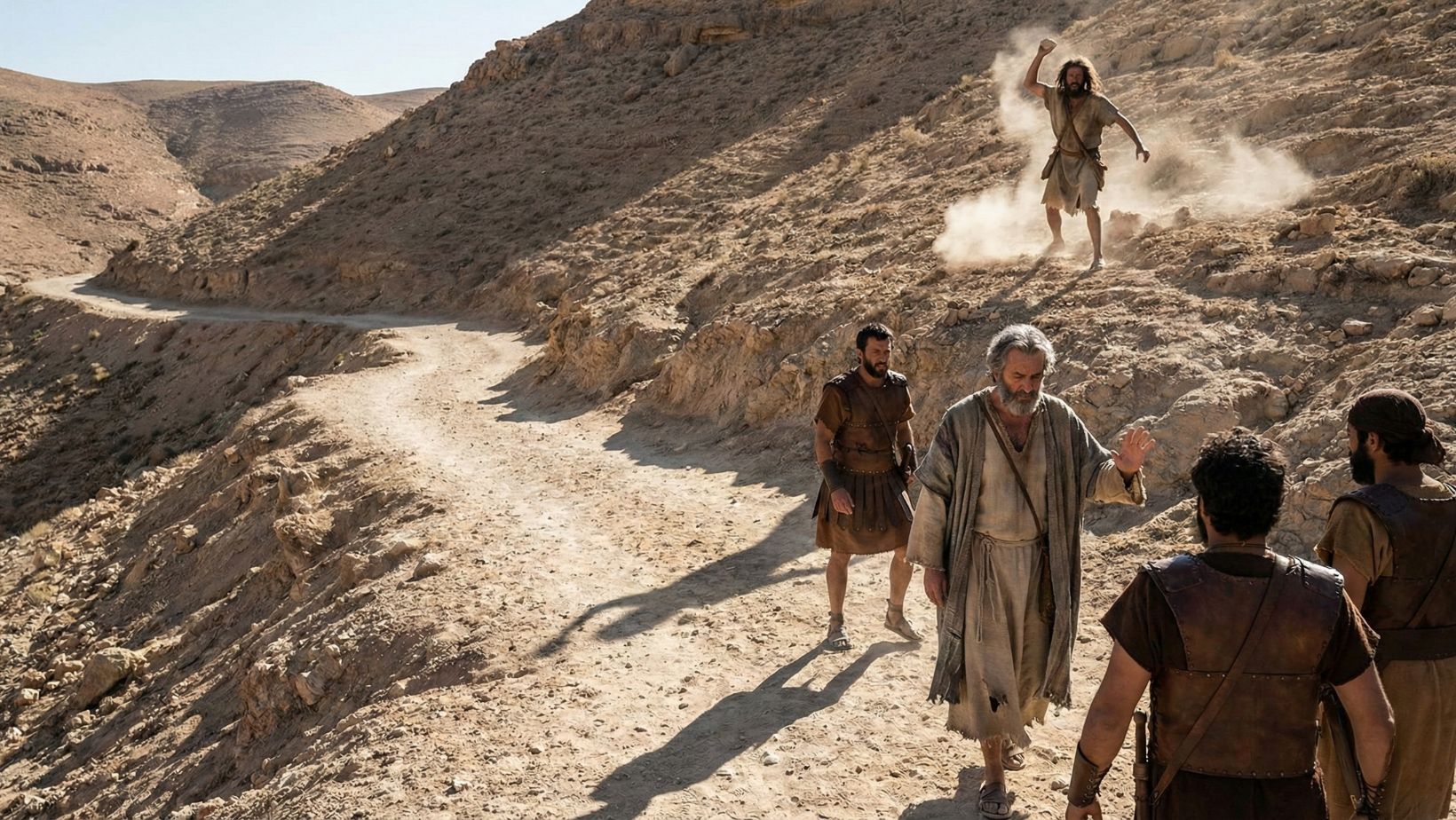
2 Samuel 16
As David flees, he is deceived by Ziba and cursed by Shimei—abuse he accepts as God’s discipline—while in Jerusalem, Absalom follows Ahithophel’s advice to publicly sleep with David’s concubines, sealing the rebellion.
-
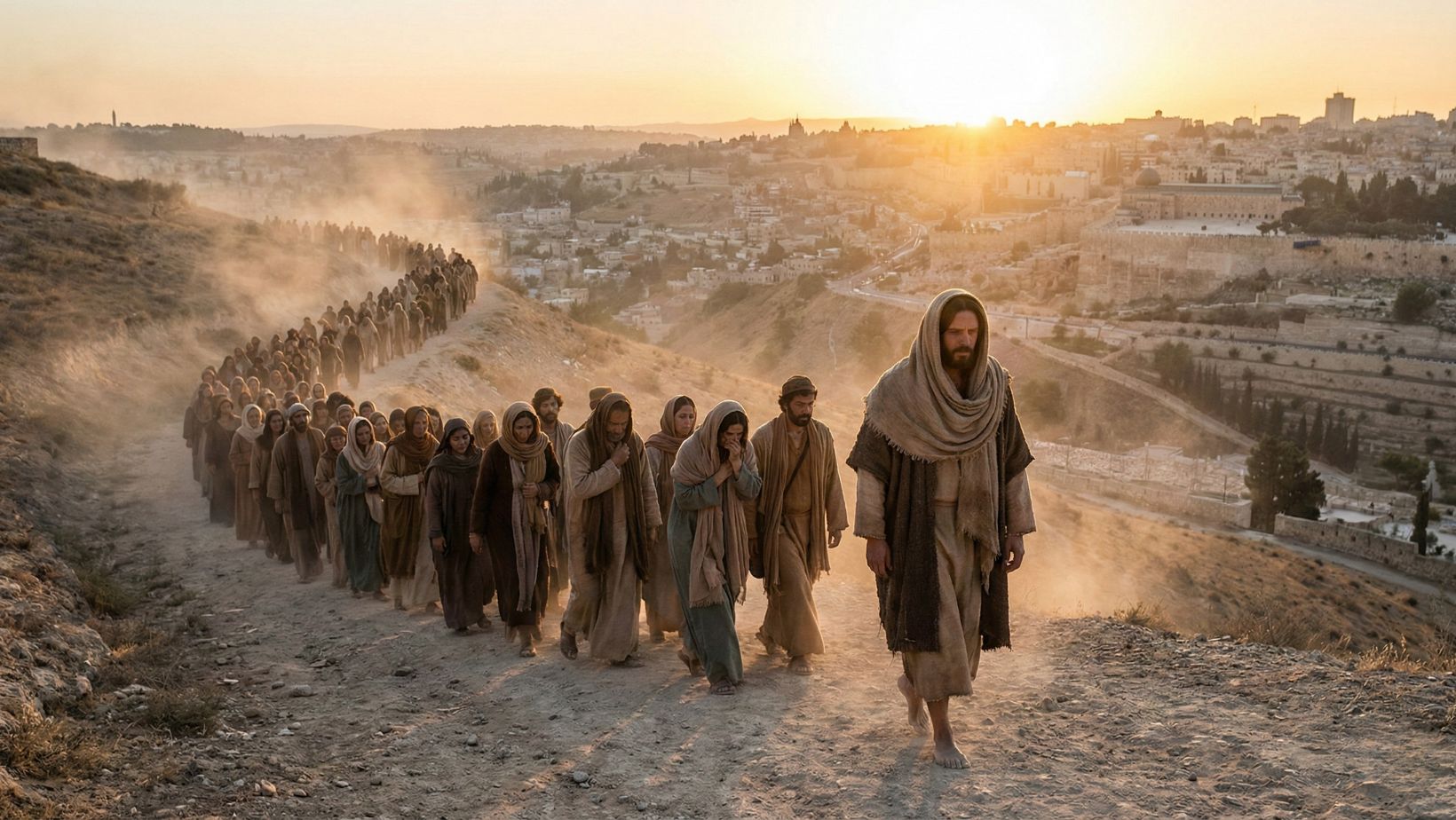
2 Samuel 15
Absalom conspires to steal the kingdom and declares himself king in Hebron, forcing David to flee Jerusalem in humility, sending the Ark back and planting Hushai as a spy while he ascends the Mount of Olives weeping.
Bible Characters

-
Jonathan
Jonathan was the valiant crown prince of Israel who chose loyalty to God’s anointed over his own ambition, becoming the Bible’s ultimate example of sacrificial friendship.
-
Michal
Michal was the daughter of King Saul who saved David’s life out of love but ultimately ended her life in barren isolation because she valued royal dignity over humble worship.
-
Abner
Abner was the powerful commander of Saul’s army who, after a long rivalry with David, sought to unite all Israel under David’s crown before being tragically assassinated by Joab.
Biblical Events

-
Jonathan
Jonathan was the valiant crown prince of Israel who chose loyalty to God’s anointed over his own ambition, becoming the Bible’s ultimate example of sacrificial friendship.
-
Michal
Michal was the daughter of King Saul who saved David’s life out of love but ultimately ended her life in barren isolation because she valued royal dignity over humble worship.
-
Abner
Abner was the powerful commander of Saul’s army who, after a long rivalry with David, sought to unite all Israel under David’s crown before being tragically assassinated by Joab.
Bible Locations

-
The City of David
The City of David is the ancient, fortified ridge where King David established his capital, serving as the historical seed from which Jerusalem grew and the spiritual center of the Israelite kingdom.
-
Mahanaim
Mahanaim, meaning “Two Camps,” was the historic fortress city east of the Jordan where Jacob met angels and where kings Ishbosheth and David found refuge during Israel’s greatest civil wars.
-
Jabesh-gilead
Jabesh-gilead was a city defined by a legacy of survival and fierce loyalty, best known for the valiant night raid to retrieve the bodies of King Saul and his sons from Philistine desecration.
